












































































































































































































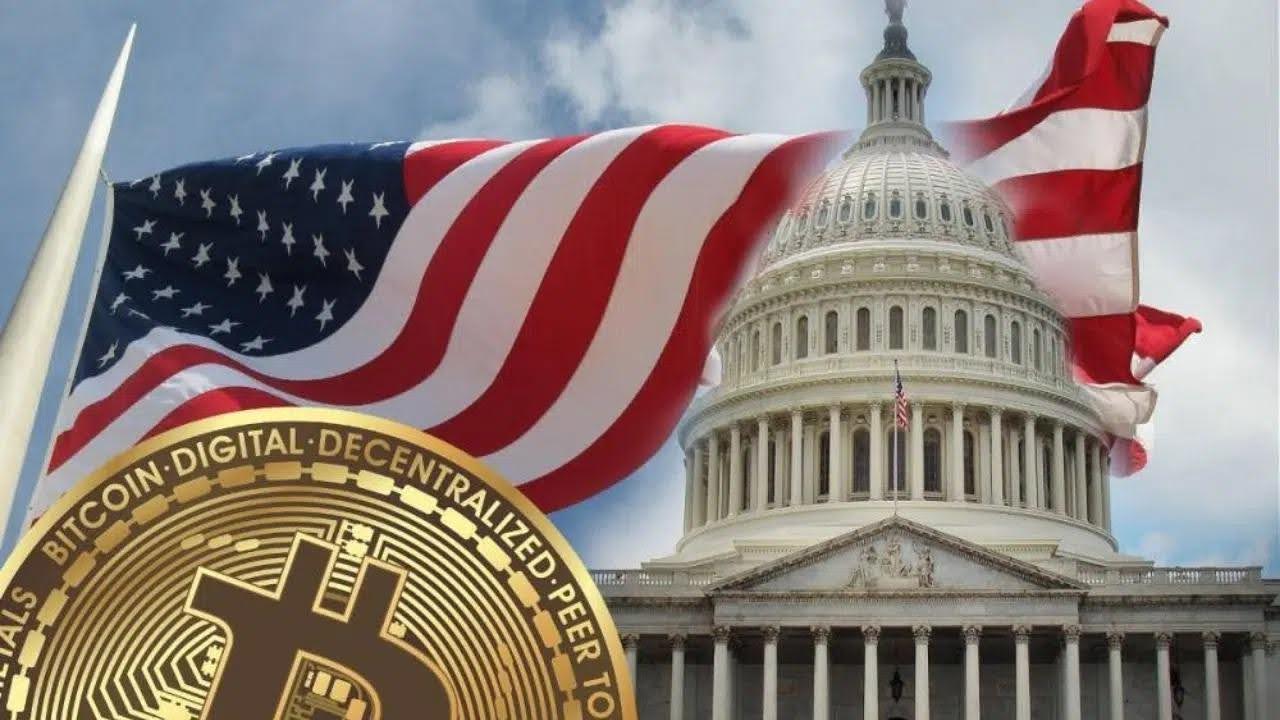
Work on the long-anticipated U.S. crypto market structure bill has been pushed back by several weeks as lawmakers on the Senate Banking Committee shift their focus toward housing affordability legislation, delaying key markup and debate sessions originally expected this month. The delay extends regulatory uncertainty for digital assets, leaving policy clarity on stablecoins, decentralized finance and exchange oversight on hold until at least late February or March.
The setback follows Coinbase’s withdrawal of support for the current draft of the bill, with the exchange’s CEO citing concerns that certain provisions — such as limits on stablecoin rewards and tokenized equities — could hinder innovation and impose unclear regulatory boundaries. That withdrawal undercut momentum within the Banking Committee and contributed to the postponement of the bill’s planned review.
While the Banking Committee stalls, the Senate Agriculture Committee has released its own version of a market structure bill text and scheduled a markup hearing, potentially giving that panel a role in shaping future legislation. Bipartisan support and reconciliation of the competing drafts remain uncertain, meaning broader Senate action may not happen until later in the year.
The delay comes as lawmakers prioritize immediate constituent issues such as housing policy ahead of the 2026 midterm elections, a move that industry advocates warn could slow the timeline for meaningful crypto regulation even though discussions and negotiations continue behind the scenes.
- XRP Ledger Developer Kit Compromised With Backdoor to Steal Wallet Private Keys
- CFTC Commissioner Johnson Advocates AI Governance in DeFi
- Fed Issues Cease and Desist Order to United Texas Bank Over Crypto-Related Concerns
- YouTube to Restrict Crypto and NFT Promotions Under New Policy
- Tornado Cash Removed from U.S. Sanctions List
- SEC Sues Crypto Trading Firm Cumberland, Again Alleges Solana & Polygon Are Securities