














































































































































































































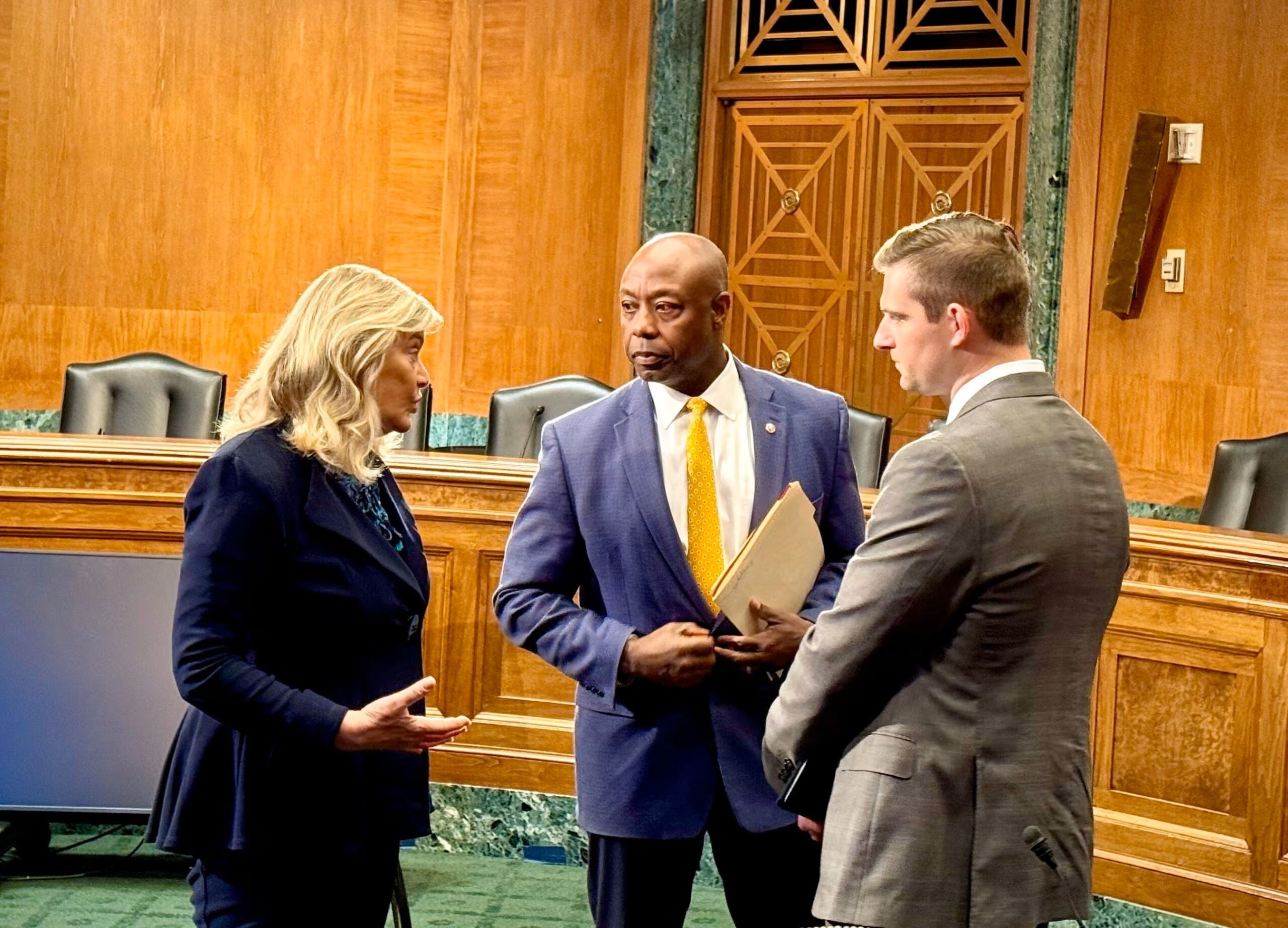
The U.S. Senate Banking Committee has officially released the long-awaited updated draft of the Digital Asset Market CLARITY Act, setting the stage for one of the most important crypto regulatory votes in U.S. history. The massive 309-page proposal will now move into formal markup discussions on Thursday as lawmakers debate sweeping rules that could fundamentally reshape how digital assets operate in the United States.
Senate Leaders Push Crypto Market Structure Bill Forward
The draft legislation was released by Senate Banking Committee Chairman Tim Scott, alongside Senators Cynthia Lummis and Thom Tillis, after months of negotiations involving lawmakers, regulators, banks, crypto firms, and consumer advocacy groups. The bill is designed to create a comprehensive federal framework for digital assets by addressing some of the industry’s largest unresolved legal questions, including:
- SEC vs. CFTC oversight
- Stablecoin regulation
- DeFi compliance
- Token classification
- Consumer protections
- Banking access
- Anti-money laundering standards
- Self-custody protections
- Tokenized securities rules
Lawmakers say the legislation aims to finally provide regulatory clarity for crypto markets after years of legal uncertainty and enforcement-driven oversight.
Stablecoin Yield Rules Become Major Compromise Point
One of the biggest sections of the bill focuses on stablecoins and the increasingly controversial issue of yield-bearing digital dollars. Under the updated draft, crypto firms would be prohibited from paying passive, deposit-like interest on stablecoin balances held by U.S. customers. However, the bill still allows certain “activity-based” rewards tied to payments or onchain participation under future joint rules from the SEC, CFTC, and Treasury Department.
The compromise emerged after intense lobbying battles between the crypto industry and traditional banks. Banking trade groups including the American Bankers Association continue arguing the proposal could still create loopholes that allow crypto companies to compete with traditional bank deposits. Meanwhile, crypto firms view the compromise as critical to preserving stablecoin innovation while finally advancing broader market structure legislation.
SEC and CFTC Would Split Oversight
The draft creates a new framework dividing digital asset oversight between the SEC and the CFTC.
Under the proposal:
- Certain network tokens would qualify as “ancillary assets” and be treated as commodities
- The SEC would maintain authority over token fundraising and securities offerings
- The CFTC would oversee digital commodity markets and trading activity
- Tokenized securities would remain subject to traditional securities laws
The bill also creates a new “Regulation Crypto” exemption allowing crypto companies to raise up to $50 million annually without full SEC registration requirements. Supporters argue the framework could finally resolve years of uncertainty surrounding whether many digital assets qualify as securities or commodities.
DeFi Developers and Self-Custody Receive New Protections
One of the most closely watched sections involves decentralized finance and software development protections.
The draft includes provisions that would:
- Protect blockchain software developers from certain securities law liabilities
- Prevent developers from being automatically classified as money transmitters
- Preserve rights for users to self-custody digital assets using private wallets
- Create safe harbor protections for NFTs under certain conditions
The legislation also states that federal agencies cannot prohibit Americans from using self-hosted crypto wallets while still preserving anti-money laundering enforcement powers. These provisions are expected to become major battlegrounds during Senate negotiations as regulators continue debating how decentralized systems should be supervised.
Anti-Money Laundering and DeFi Rules Tightened
Despite the pro-innovation language, the bill also significantly expands anti-money laundering obligations throughout the crypto industry. The proposal would formally classify digital asset brokers, exchanges, and dealers as financial institutions under the Bank Secrecy Act, requiring them to implement:
- AML programs
- Customer identification systems
- Sanctions compliance
- Customer due diligence procedures
The bill also requires DeFi trading intermediaries routing transactions through decentralized protocols to implement risk management systems designed to monitor fraud, sanctions evasion, market manipulation, and cybersecurity risks.
Treasury would additionally conduct studies involving:
- Digital asset mixers
- Foreign crypto intermediaries
- Terrorist financing risks
- Quantum computing threats
- DeFi systemic risks
More Than 100 Amendments Already Filed
The bill is already facing intense political pressure ahead of Thursday’s markup session. Reports indicate senators have filed more than 100 proposed amendments, including over 40 tied to Senator Elizabeth Warren’s office alone.
Several Democrats continue criticizing the legislation over concerns involving:
- Consumer protections
- Stablecoin oversight
- Trump family crypto ties
- National security risks
- Ethics provisions
- Illicit finance enforcement
At the same time, crypto lobbyists and industry groups are aggressively pushing lawmakers to pass the legislation before the end of the 2026 congressional session.
Tokenization and Banking Integration Included
The bill also contains several sections focused on tokenized finance and banking modernization. The legislation explicitly confirms that tokenized securities remain securities under federal law while directing regulators to study blockchain-based custody systems, tokenized asset settlement, and interoperability standards.
Banks would also receive expanded authority to engage in blockchain-based activities including:
- Digital asset custody
- Stablecoin payments
- Tokenized settlement
- Blockchain-based lending
- Digital trading systems
Lawmakers say these provisions are intended to modernize financial infrastructure while keeping traditional banks competitive with crypto-native firms.
The Bigger Picture
The release of the Senate’s updated CLARITY Act draft marks a pivotal moment for the crypto industry in the United States. After years of lawsuits, enforcement actions, and regulatory uncertainty, Congress is now attempting to build a formal legal framework for digital assets, stablecoins, DeFi, and tokenized finance. The legislation would not simply regulate crypto trading — it could reshape how blockchain infrastructure integrates into the broader financial system itself.
As the Senate prepares for Thursday’s markup battle, the outcome could determine whether the United States becomes a global leader in digital asset innovation or continues pushing crypto development toward overseas jurisdictions.
- House Advances Sweeping Crypto Tax Bill After CLARITY Act Setback
- Prediction Markets Go to Washington’s (Appeals Court)
- ‘Bitcoin Senator’ Lummis to Lead Senate Subcommittee on Digital Assets
- Federal Prosecutors Open Criminal Investigation into The Fed and Jerome Powell
- Wyoming Wants to Become The Delaware of DAOs With New Crypto Law
- Fed Governor Shifts Toward Embracing Crypto, Proposes ‘Skinny Master Account’ For Payment Innovators