












































































































































































































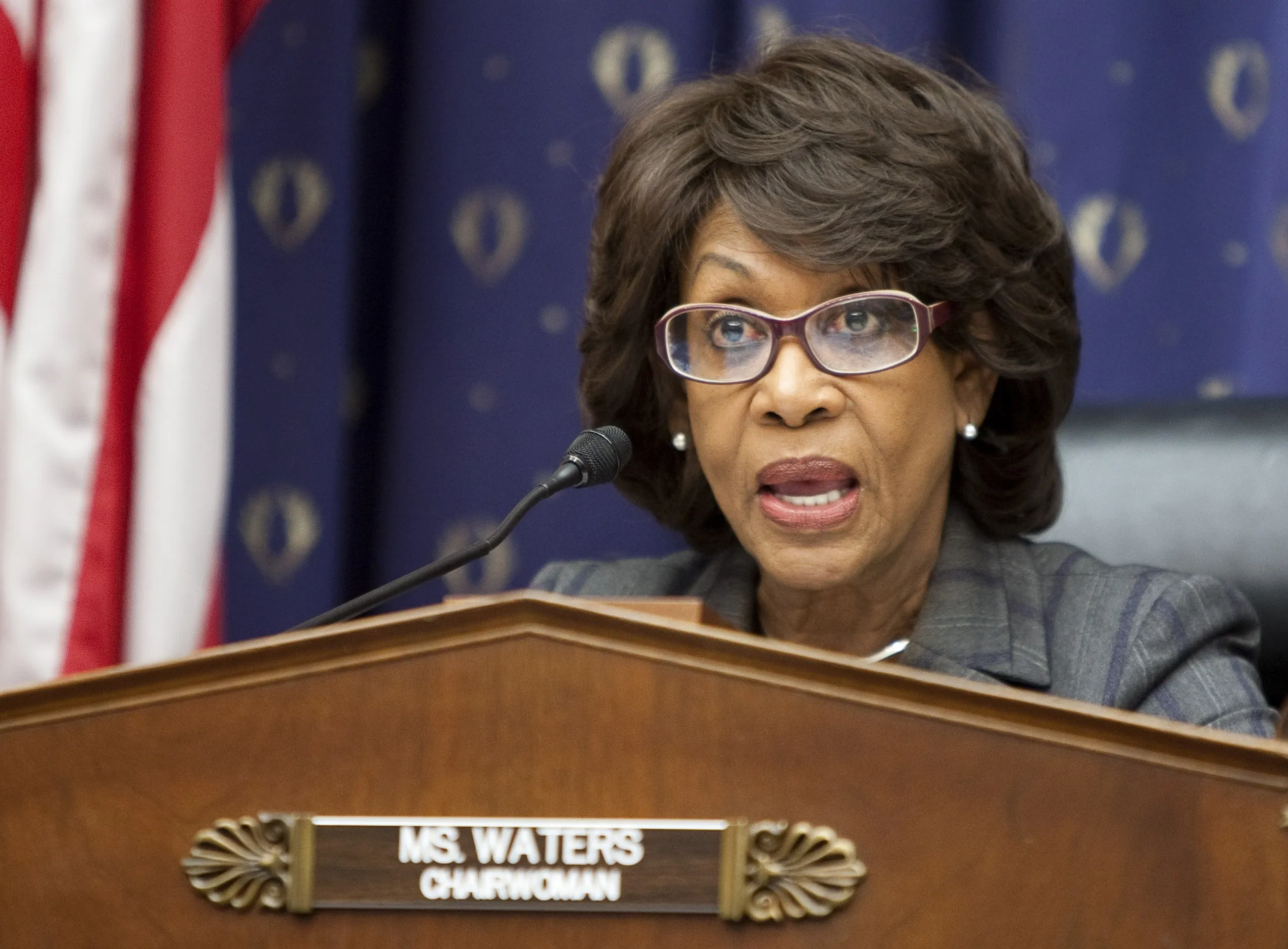
Congresswoman Maxine Waters is raising concerns about a major milestone for crypto banking, after the Federal Reserve Bank of Kansas City granted a special type of account to crypto firm Kraken. The decision has sparked debate in Washington about whether crypto companies should have direct access to the U.S. financial system’s core infrastructure.
Waters, the top Democrat on the House Financial Services Committee, sent a formal letter requesting detailed explanations about how and why Kraken was approved for a “limited-purpose master account”—a type of account that allows access to Federal Reserve payment rails.
First-of-Its-Kind Access Raises Concerns
The approval is significant because it potentially makes Kraken one of the first crypto firms to gain direct access to the Federal Reserve’s payment system, which is typically reserved for highly regulated banks.
Waters argued that granting this level of access raises serious policy, regulatory, and consumer protection concerns, especially as crypto innovation continues to move faster than existing financial laws.
She emphasized that access to the Fed’s infrastructure carries major responsibility, and decisions like this should be backed by clear legal authority, transparency, and strong risk controls.
Key Questions About Kraken’s Account
In her letter, Waters requested clarity on several critical issues, including whether Kraken’s account allows access to core Fed services such as:
- Payment systems like FedACH or Fedwire
- Cash and settlement services
- Securities processing infrastructure
She also asked whether the account is subject to limits on balances, overdrafts, and additional supervision, and whether regulators imposed stricter compliance requirements beyond those required under Wyoming law.
Another major concern is that the concept of a “limited-purpose account” is not clearly defined in existing Federal Reserve rules, raising questions about the legal framework used to approve it.
Bigger Debate: Crypto Access to Banking Infrastructure
The controversy comes as crypto firms increasingly push for direct access to traditional financial rails, which could allow them to:
- Settle transactions faster
- Reduce reliance on intermediary banks
- Operate more like traditional financial institutions
However, critics—including banking groups—argue that granting this access to non-bank crypto firms could introduce systemic risk to the financial system if not properly regulated.
Why This Matters
This situation highlights a growing tension between innovation and regulation in the U.S. financial system.
On one hand, crypto companies are pushing to integrate more deeply with traditional banking infrastructure. On the other, lawmakers are questioning whether existing safeguards are strong enough to support that shift.
Waters’ inquiry signals that access to Federal Reserve systems may become one of the next major battlegrounds in crypto regulation, especially as more digital asset firms seek direct entry into the core of the U.S. financial system.
- U.S. Treasury Official Targets Tether USDT Stablecoin in Russian Sanction Evasion
- U.S. Government Moves $130 Million in Bitcoin Confiscated From Silk Road to Coinbase
- US Government Shutdown Leads to Halt of SEC Approvals for Crypto ETFs
- US IRS Finalizes Controversial Tax Rule Requiring ‘DeFi Brokers’ to Collect User Trading Information
- Bored Ape NFTs Not Securities, Federal Judge Rules in Key Yuga Labs Case
- Coinbase Says it Won’t Back Senate Crypto Bill Ahead of Banking Committee Vote