














































































































































































































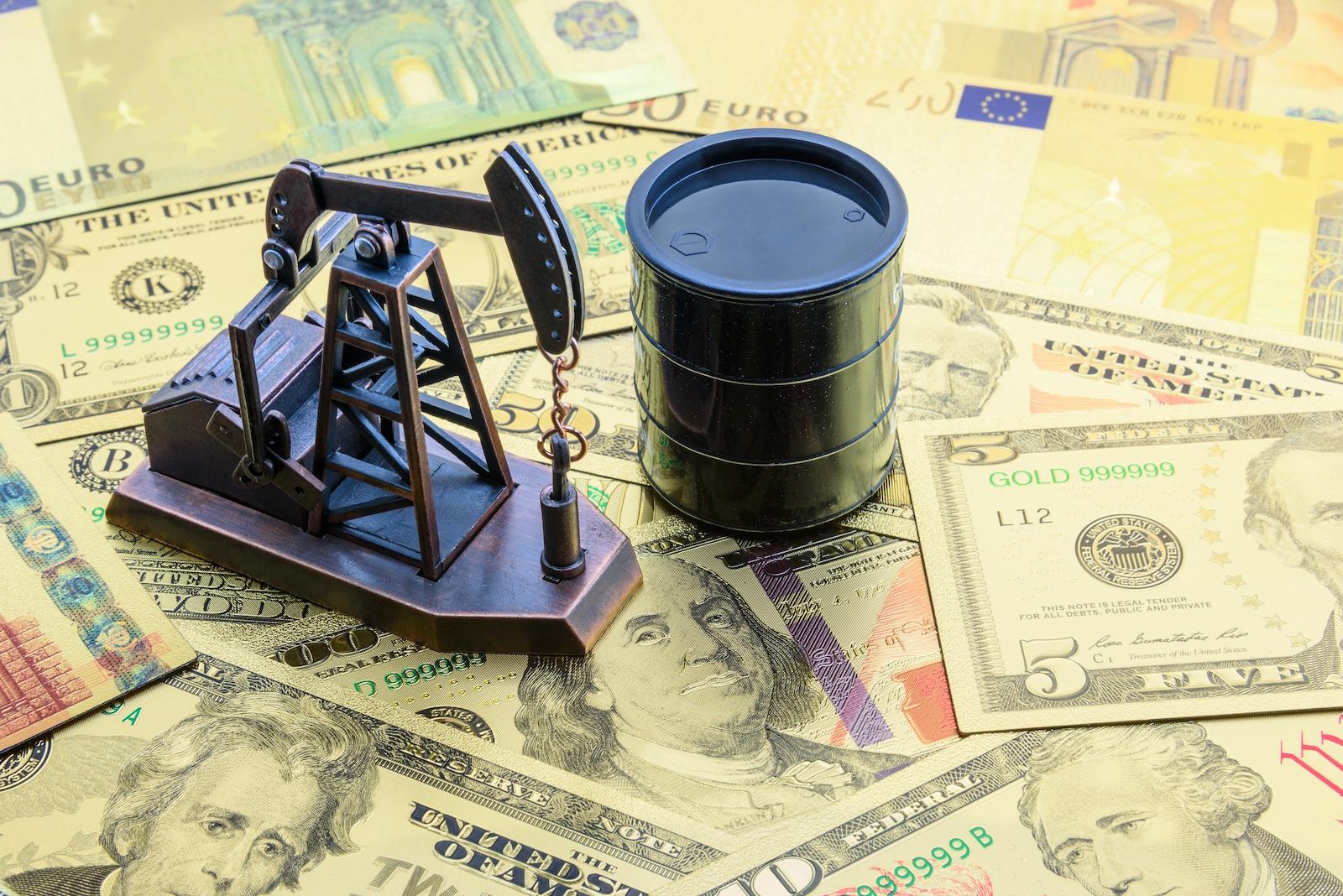
The U.S. Department of Justice and the Commodity Futures Trading Commission are reportedly investigating a series of highly suspicious oil futures trades totaling more than $2.6 billion that were placed shortly before major announcements involving President Donald Trump and escalating tensions with Iran. The trades, which correctly anticipated sharp declines in oil prices, are now raising serious questions about possible insider trading, market manipulation, and the misuse of nonpublic geopolitical information.
Regulators Examining Four Major Oil Trades
According to reports from ABC News and other outlets, federal investigators are reviewing at least four large-scale trades executed between March and April 2026. In each case, traders placed massive bearish bets on oil prices shortly before public announcements that caused crude markets to fall sharply.
The trades reportedly included:
- More than $500 million wagered against oil prices roughly 15 minutes before Trump announced a delay in threatened strikes on Iran’s power grid.
- Approximately $960 million in bearish oil trades hours before Trump revealed a temporary ceasefire announcement.
- Another $760 million bet shortly before Iranian Foreign Minister Abbas Araghchi publicly stated the Strait of Hormuz would remain open.
- Roughly $430 million traded before Trump later extended the ceasefire agreement.
Investigators are now trying to determine whether the timing of the trades resulted from legitimate market speculation or access to confidential geopolitical information before it became public.
Oil Prices Reacted Immediately to Iran Announcements
Each announcement involving the Iran conflict had major impacts on global energy markets. Oil prices swung violently throughout the period as traders reacted to ceasefire developments, military threats, and concerns surrounding the Strait of Hormuz — one of the world’s most important oil shipping routes.
The suspicious trades reportedly generated massive profits as oil prices dropped following the announcements. Market analysts and commodities traders described several of the transactions as highly unusual because of both their timing and their enormous size. Some analysts noted that the trades appeared too precisely timed to be random speculation, especially given how closely they aligned with sensitive geopolitical developments.
Investigation Could Expand Beyond $2.6 Billion
While initial reports focused on $2.6 billion in suspicious activity, Reuters later reported that the total volume of questionable oil trades tied to Iran-related developments may actually exceed $7 billion when additional futures positions are included.
The broader investigation reportedly includes trades involving:
- Crude oil futures
- Diesel contracts
- Gasoline futures
- Brent crude positions
- WTI crude contracts
The trades were allegedly executed across major exchanges including the Intercontinental Exchange (ICE) and the Chicago Mercantile Exchange (CME).
Regulators are now examining trading records, counterparties, account ownership structures, and communication data to determine whether any individuals received advance knowledge of government decisions or diplomatic negotiations.
White House and Regulators Have Not Issued Formal Accusations
So far, neither the DOJ nor the CFTC has publicly accused any individual or organization of wrongdoing. Reports emphasize that investigators have not yet proven insider trading or criminal conduct occurred.
However, the scale and precision of the trades reportedly triggered internal alarms among regulators and lawmakers concerned about market integrity during geopolitical crises. The White House has denied allegations involving misuse of nonpublic information. Still, critics argue the repeated pattern of well-timed trades surrounding Iran war developments has become increasingly difficult to ignore.
Prediction Markets and Political Trading Face New Scrutiny
The controversy is also spilling into broader debates surrounding political trading and prediction markets. Reports note that government officials previously warned White House staff that trading based on nonpublic geopolitical information could violate federal insider trading laws, including activity on prediction market platforms such as Kalshi and Polymarket.
The investigation comes at a time when geopolitical betting, commodity speculation, and event-driven trading are becoming increasingly intertwined with politics, social media, and real-time information leaks. Some lawmakers are now calling for tighter oversight surrounding how sensitive geopolitical information moves between government officials, financial firms, media outlets, and trading desks.
- Gensler Reacts as SEC Drops Ripple XRP, Coinbase Cases
- US Treasury and IRS Finalize Crypto Broker Tax Reporting Rules
- U.S. Senate Banking Committee Shares New Market Structure Draft
- New Hampshire the Latest State to Consider Bitcoin Reserve Bill
- Senate to Release CFTC Crypto Draft in September
- Bitfinex Hack Launderer Heather ‘Razzlekhan’ Morgan Sentenced to 18 Months in Prison



