














































































































































































































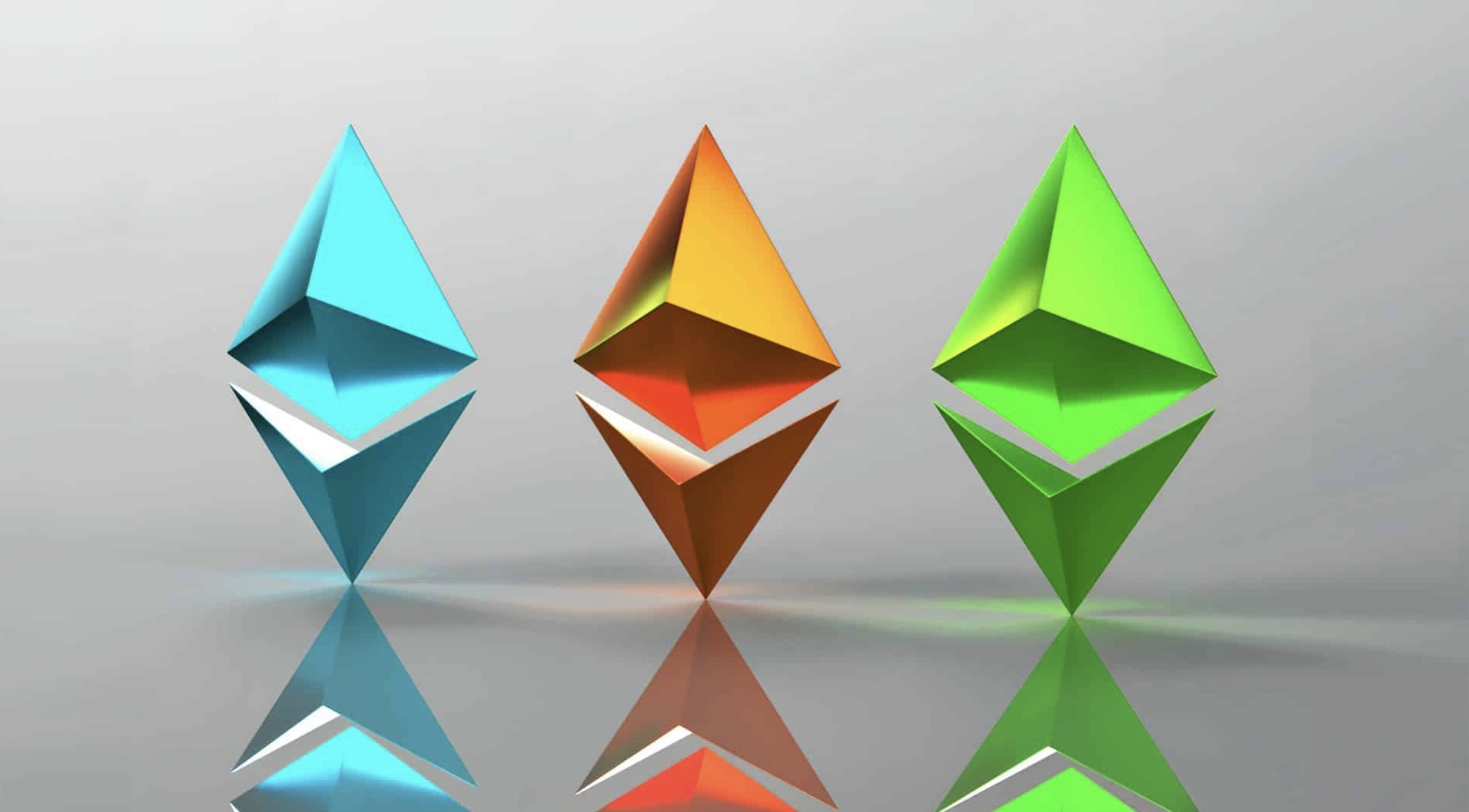
A new experimental token standard has emerged called ERC-404. The token standard combines the elements of ERC-20 and ERC-721 tokens into one semi-fungible digital asset.
Read on to learn what the ERC-404 token standard is, how it works, and how it differs from ERC-20 and ERC-721.
What Is ERC-404? The ERC-404 is an experimental token standard that merges the features of the ERC-20 and ERC-721 token standards to create a ‘semi-fungible’ token with the characteristics of both fungible and non-fungible tokens.
Pseudonymous creators “ctrl” and “Acme” on the Ethereum network created the unofficial token standard. The ERC-404 standard allows developers to develop fractionalized NFT collections that can be freely used and openly traded in NFT marketplaces.
Currently, unlike with fungible tokens, NFT holders cannot purchase fractions of a digital asset. Although fractionalized NFTs exist, they primarily rely on an institution specializing in NFT fractionalization to lock the fractionalized NFTs in a crypto wallet and issue tokens depicting that non-fungible token. While these fractionalized NFTs are freely traded in the market, they may not precisely match the value of the locked NFTs. And this is what the ERC-404 token standard aims to solve.
How Does ERC-404 Work? The ERC-404 token standard enables the creation of semi-fungible tokens by utilizing token burning and token minting mechanics to allow for fractional NFT transfers. The token standard links issued tokens to a non-fungible token. The associated NFT is minted to your wallet if you purchase a full token. If you opt to sell a fraction of the token, the linked NFT representing that fraction is burned.
Thus, the token standard makes it possible for multiple wallets to hold fractions of one NFT. A new NFT is automatically minted if a wallet holding multiple fractions of a token buys enough to hold an entire token.
In short, if ERC-404 goes through the official Ethereum Improvement Proposal (EIP) process and is added to the Ethereum ecosystem, it will provide room for the native fractionalization of non-fungible tokens, which will make it possible to experiment with NFT use cases.
- Zcash User Says $589K in USDT Has Been Stuck on NEAR Intents for 50 Days
- MetaMask Adds XRP Ledger for Seamless Crypto Transactions and NFTs
- Ondo Finance Acquires Oasis Pro to Expand US Tokenization Capabilities
- Real World Asset Tokenization: The Ondo Finance US Treasury-Backed Stablecoin Expands to Sui Network
- Visa Launches Internal Stablecoin Platform, Bringing OUSD to More Than 200 Million Merchants
- Solana DeFi Platform Drift Investigates Suspicious Activity, Urges Users to Halt Deposits