
















































































































































































































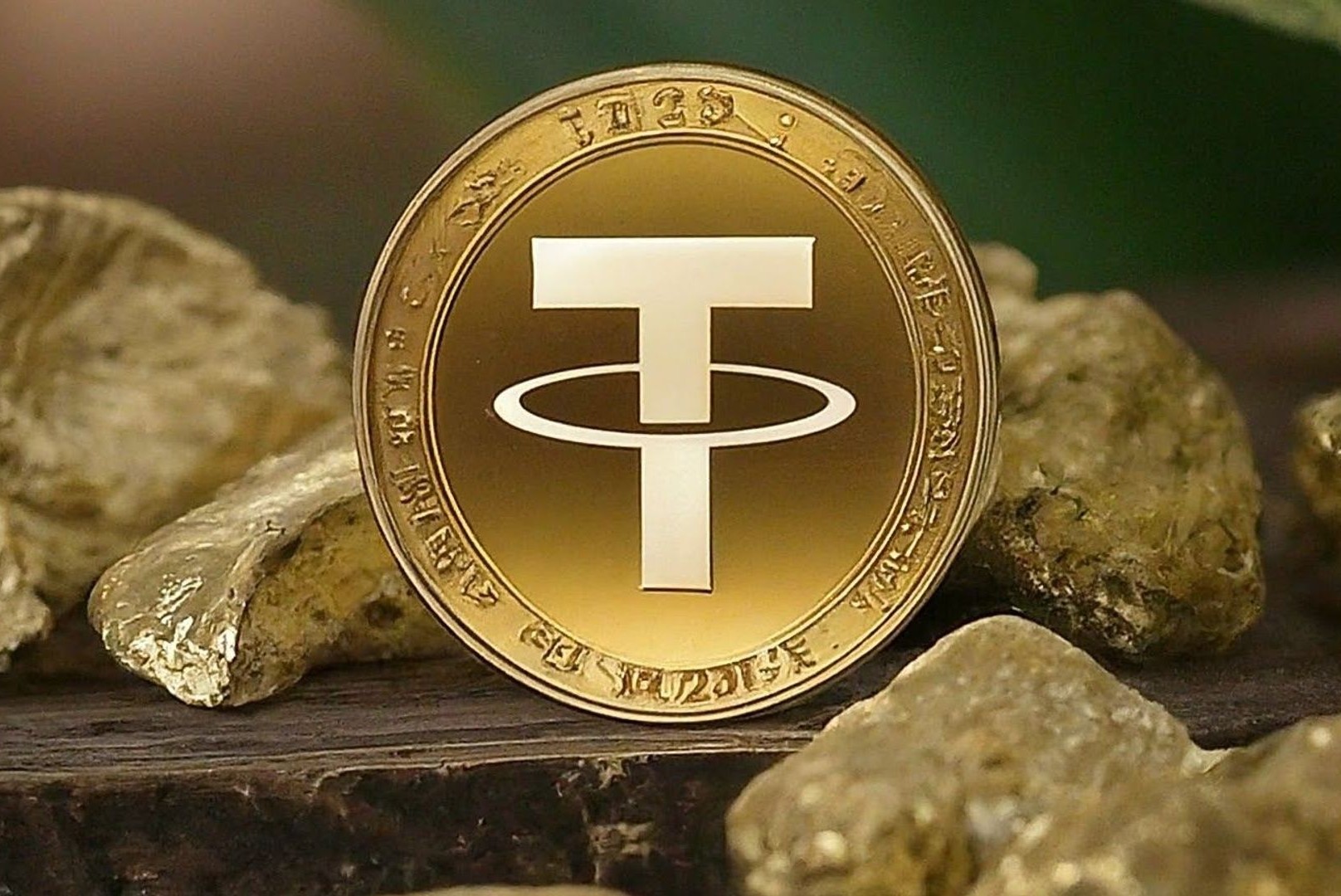
Tether is expanding beyond stablecoins once again—this time by turning its massive $23 billion gold reserve into an income-generating financial asset. The company has announced that its gold-backed token, Tether Gold (XAUT), will be integrated with crypto lending platform Ledn, allowing users to eventually borrow against tokenized gold in much the same way investors already use Bitcoin as loan collateral. The move marks another major step in Tether’s strategy to transform one of the world’s largest privately held gold reserves into active blockchain-based financial infrastructure.
The announcement comes as tokenized real-world assets continue experiencing rapid institutional adoption. Rather than treating gold as a passive reserve asset, Tether is positioning it as programmable collateral that can unlock liquidity without requiring investors to sell their holdings. The initiative blends one of humanity’s oldest stores of value with modern decentralized finance, creating new opportunities for both traditional gold investors and digital asset users.
Gold Holders Will Soon Be Able to Borrow Without Selling
Under the new partnership, Ledn will add support for XAUT alongside Bitcoin
According to Ledn, customer collateral will continue to be held on a 1:1 basis and will not be rehypothecated or lent to third parties, distinguishing the platform from several centralized crypto lenders that collapsed during the 2022 crypto winter.
Tether’s Gold Empire Continues Growing
The lending initiative builds on Tether’s rapidly expanding precious metals strategy. The company now holds approximately $23 billion worth of physical gold, making it one of the world’s largest private bullion holders. Those reserves support Tether Gold (XAUT), with each token representing one troy ounce of physical gold securely stored in Swiss vaults.
In recent years, Tether has accumulated gold at a pace rivaling many central banks, with analysts estimating the company controls roughly 148 metric tons of bullion. That places the stablecoin issuer among the world’s largest non-sovereign gold holders.
Gold Is Becoming a Productive Asset
Traditionally, physical gold has been viewed as a long-term store of value rather than an income-producing investment. By tokenizing bullion and enabling borrowing against it, Tether hopes to make gold function more like Bitcoin within the digital asset economy.
The model mirrors the Bitcoin-backed lending products that have become increasingly popular among long-term crypto investors who want liquidity without triggering taxable sales or giving up exposure to future price appreciation. CEO Paolo Ardoino said the growing role of digital assets is creating demand for financial products that combine long-term ownership with greater financial flexibility.
Part of a Much Larger Expansion Strategy
The XAUT lending program represents only one component of Tether’s broader transformation.
Over the past several years, the company has expanded well beyond issuing USDT, investing heavily in:
- Bitcoin mining
- Artificial intelligence infrastructure
- Renewable energy
- Financial infrastructure
- Precious metals
- Digital payments
Tether has also invested in Gold.com and partnered with institutional financing firms to expand physical gold redemption and tokenized lending services. These investments reflect the company’s strategy of using profits generated by USDT to diversify into multiple technology and financial sectors.
Tokenized Gold Gains Institutional Momentum
Gold-backed digital assets have become one of the fastest-growing segments within the real-world asset tokenization market. Unlike speculative cryptocurrencies, tokenized gold combines blockchain efficiency with one of the world’s most established safe-haven assets. Investors gain the benefits of fractional ownership, instant transfers, global accessibility, and blockchain settlement while maintaining exposure to physical bullion.
As institutions increasingly explore tokenized commodities, products like XAUT demonstrate how traditional assets can become programmable financial instruments without sacrificing the underlying value of physical ownership.
The Line Between Traditional Finance and DeFi Continues to Blur
Gold-backed lending has historically been dominated by banks, bullion dealers, and specialized financial institutions. By bringing tokenized gold into crypto lending markets, Tether is introducing an alternative model that allows blockchain-based collateral to compete with traditional secured lending products.
The initiative reflects a broader trend across the industry as stablecoins, tokenized Treasuries, private credit, and commodities increasingly move on-chain, creating new financial products that merge traditional assets with decentralized infrastructure.
- Bitcoin Miner Marathon Digital Just Etched Donald Trump’s Face on the Bitcoin Blockchain
- PropyKeys Officially Launches, Introducing Onchain Home Addresses as a New Asset Class
- LayerZero Issues Public Apology After $292 Million Kelp DAO Exploit
- Amazon, Walmart, and Expedia Consider Issuing Stablecoins to Sidestep Costly Card Fees
- Kraken to Offer Tokenized Shares of Apple, Tesla, and Nvidia For Non-US Customers
- Tether Launches P2P Password Manager App to End Cloud Data Breaches