




































































































































































































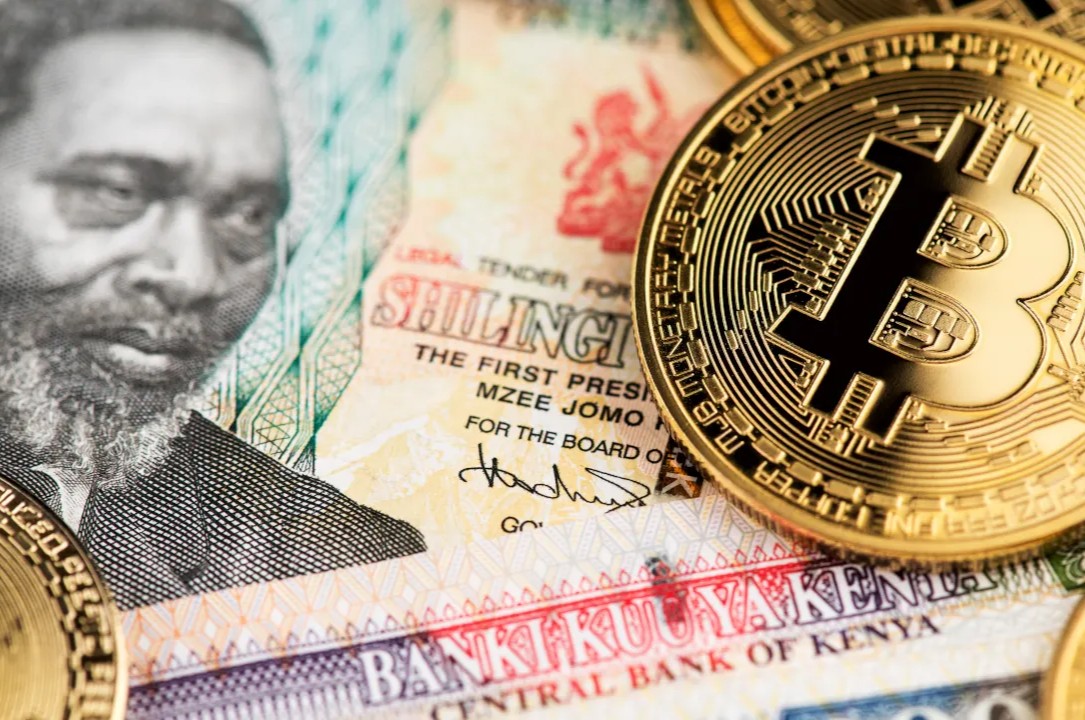
Kenya’s Capital Markets Authority (CMA) is preparing to deploy an advanced blockchain analytics platform to strengthen oversight of the country’s rapidly expanding cryptocurrency market. The regulator is seeking a system capable of monitoring more than 20 blockchain networks in real time to identify fraud, money laundering, terrorist financing, sanctions evasion, and other illicit activity. The initiative follows the implementation of Kenya’s Virtual Assets Service Providers (VASP) Act of 2025, which formally brought the country’s crypto industry under regulatory supervision for the first time.
The surveillance platform represents one of Africa’s most ambitious blockchain compliance initiatives as Kenya works to balance growing crypto adoption with stronger financial oversight. Officials believe the technology will improve market transparency while helping regulators identify unlicensed exchanges and protect investors from financial crime.
Real-Time Monitoring Across More Than 20 Blockchains
According to procurement documents, the CMA wants a blockchain intelligence platform capable of monitoring major blockchain ecosystems, including:
- Bitcoin
- Ethereum
- More than 20 additional blockchain networks
The system will analyze transactions in real time and retrospectively, allowing investigators to identify suspicious activity, trace digital asset movements, and build detailed transaction histories across multiple blockchain ecosystems.
Platform Will Target Financial Crime
The proposed analytics platform will be designed to detect a wide range of illicit activities affecting digital asset markets.
Key capabilities include identifying:
- Money laundering.
- Terrorist financing.
- Fraudulent transactions.
- Sanctions evasion.
- Coin mixer activity.
- Darknet-linked wallets.
- High-risk wallet addresses.
- Large suspicious transfers.
The software will also assign automated risk scores to wallets and transactions while generating alerts whenever suspicious activity is detected. Regulators say these tools will help investigators respond more quickly to emerging threats within Kenya’s growing crypto ecosystem.
Tracing Funds Across Multiple Blockchains
Beyond monitoring individual transactions, the platform will allow investigators to reconstruct complete blockchain transaction histories.
The system is expected to:
- Map relationships between wallet addresses.
- Trace funds moving across different blockchains.
- Identify exchanges frequently used by Kenyan residents.
- Detect unlicensed offshore crypto platforms serving local customers.
These capabilities closely resemble blockchain intelligence platforms already used by regulators and law enforcement agencies worldwide, including solutions developed by Chainalysis, TRM Labs, and Elliptic.
New Crypto Law Drives Regulatory Expansion
Kenya’s surveillance initiative follows the passage of the Virtual Assets Service Providers Act, signed into law by President William Ruto in late 2025.
The legislation established Kenya’s first comprehensive regulatory framework for digital assets by dividing oversight between:
- The Central Bank of Kenya, responsible for stablecoins, payments, and custodial wallets.
- The Capital Markets Authority, responsible for exchanges, brokers, investment advisers, and tokenization platforms.
Although the legal framework is now in place, regulators have not yet issued licenses to crypto firms. Existing operators have until November 2026 to comply with the new rules.
Kenya Is One of Africa’s Largest Crypto Markets
The new surveillance system reflects the rapid growth of cryptocurrency adoption across Kenya.
According to blockchain analytics firm Chainalysis, Kenyan users received approximately $19 billion in cryptocurrency between July 2024 and June 2025, making Kenya one of Africa’s largest digital asset markets. More than six million Kenyans are estimated to use cryptocurrencies, with much of the activity occurring through peer-to-peer transactions rather than traditional exchanges.
As adoption continues expanding, regulators say stronger oversight is necessary to maintain market integrity while encouraging responsible innovation.
Governments Worldwide Are Investing in Blockchain Intelligence
Kenya’s initiative mirrors a growing global trend.
Governments around the world are increasingly deploying blockchain forensic tools to investigate financial crime, monitor compliance, and trace illicit cryptocurrency transactions. Agencies in the United States, United Kingdom, and several other jurisdictions already rely on blockchain analytics platforms to support investigations involving fraud, ransomware, sanctions violations, and money laundering.
Kenya’s decision demonstrates that blockchain analytics is becoming an essential component of modern financial regulation rather than a niche investigative capability.
- Iran’s Largest Crypto Exchange Nobitex Tied to Elite Political Family, Reuters Investigation Reveals
- Bank of England Plans Stablecoin Cap Exemptions as UK Faces Pressure to Match US Rules
- Absa Bank Partners with Ripple to Expand Digital Asset Custody Offering in South Africa
- Ripple & Tron Gets Ditched By Hong Kong Virtual Asset Consortium, Replaced by Solana & Avalanche
- TOKEN2049 Dubai Postponed to 2027 Amid Heightened Security Risks in the UAE
- Kazakhstan’s Central Bank Plans to Invest $350 Million in Crypto-Related Assets