











































































































































































































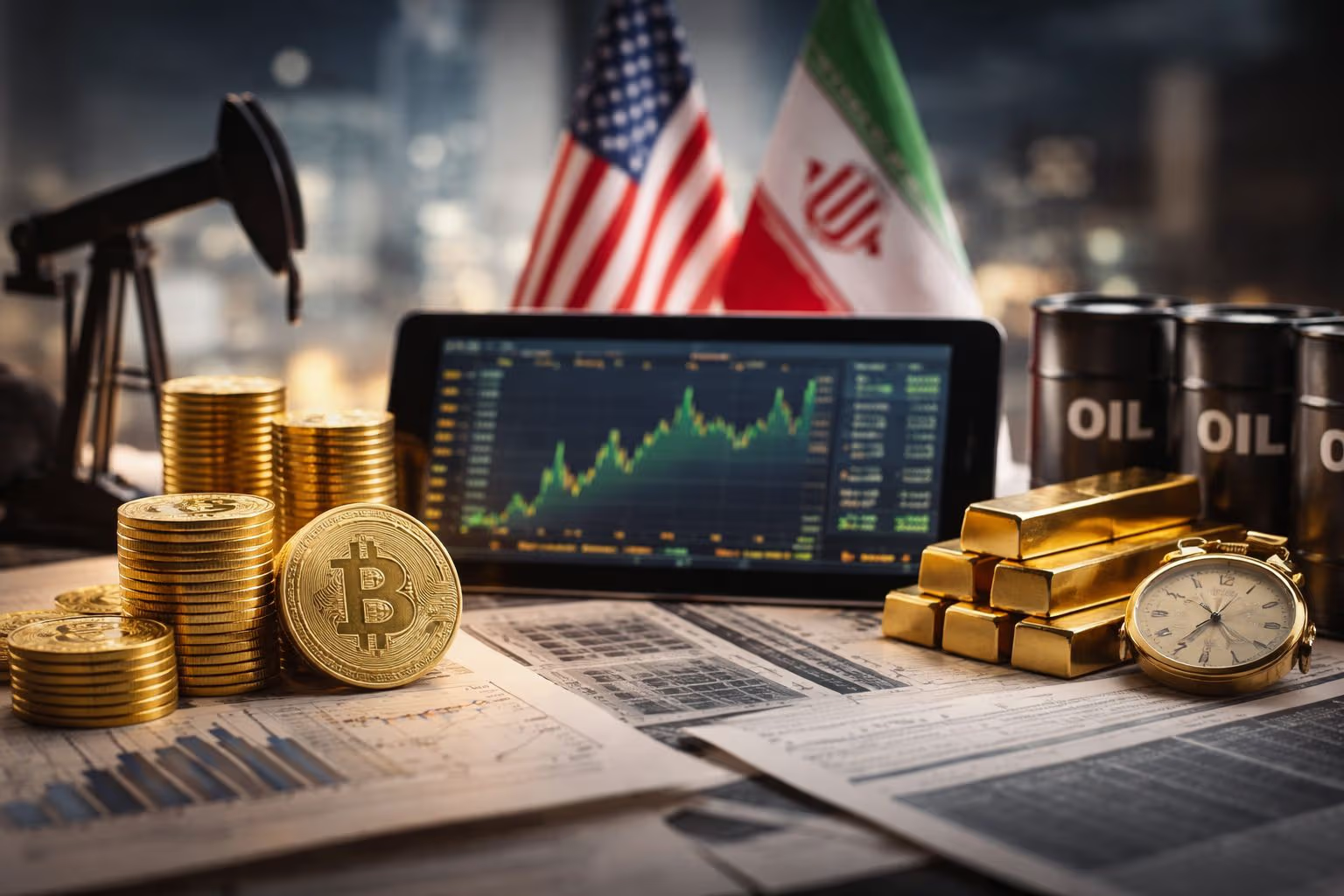
Iran is making a bold geopolitical and financial move by requiring oil tankers to pay transit fees in cryptocurrency—specifically Bitcoin—to pass through the Strait of Hormuz, one of the most critical shipping routes in the global energy market.
Crypto Over Dollars: A Strategic Shift
According to reports, Iran plans to charge oil tankers a fee—roughly $1 per barrel of oil—paid in Bitcoin for safe passage through the strait. The goal is clear: bypass traditional financial systems dominated by the U.S. dollar and avoid sanctions that could freeze or intercept payments. By using crypto, Iranian officials believe transactions become harder to trace or seize. This represents one of the first real-world examples of a nation-state using crypto as a sovereign payment rail for global trade.
A New Power Play in a Critical Oil Chokepoint
The Strait of Hormuz handles roughly 20% of the world’s oil supply, making it one of the most important economic gateways on the planet.
Iran’s control over the region gives it significant leverage—and introducing crypto payments adds a new layer to that power. Reports suggest ships may need to:
- Request approval before entering
- Disclose cargo details
- Complete a Bitcoin payment within seconds once cleared
Some proposals also include toll systems accepting crypto or alternative currencies like the Chinese yuan.
Part of a Bigger Anti-Dollar Trend
This move is not happening in isolation. Iran, along with countries like Russia and China, has been exploring alternatives to the U.S. dollar in global trade—especially for energy transactions.
Requiring crypto payments:
- Reduces reliance on SWIFT and Western banking systems
- Limits exposure to sanctions
- Creates a parallel financial rail outside traditional oversight
It’s a direct challenge to the petrodollar system, which has dominated global oil markets for decades.
Markets and Geopolitics React
The proposal has already sparked concern across global markets. Analysts warn it could:
- Disrupt oil pricing mechanisms
- Increase volatility in energy markets
- Complicate international shipping and insurance
At the same time, it has fueled speculation that crypto—especially Bitcoin—could play a larger role in global trade if adopted at scale.
Why This Matters
This is a major turning point in how crypto intersects with geopolitics.
The bigger takeaway:
Crypto is no longer just a financial asset—it’s becoming a tool of state power. If Iran successfully enforces Bitcoin payments for oil transit, it could accelerate the shift toward a multi-currency—and multi-rail—global financial system where the dollar is no longer the only option.
- Thailand Exempts Bitcoin, Crypto Gains From Tax to Support Entrepreneurs and Innovation
- UQUID Report Identifies TRON as Core Infrastructure For e-Commerce Payments Across Latin America, Africa, and Asia
- Digital Asset Aid & Assistance: Stellar Org’s Pioneers Blockchain Humanitarian Aid
- Africa’s Crypto Market Surges 52% as Regulation Fuels Real-World Adoption
- Royal Canadian Mint Launches Distributed Ledger Technology Solution For Gold
- SBI and Ondo Finance Partner to Bring Japanese Stocks On-Chain