































































































































































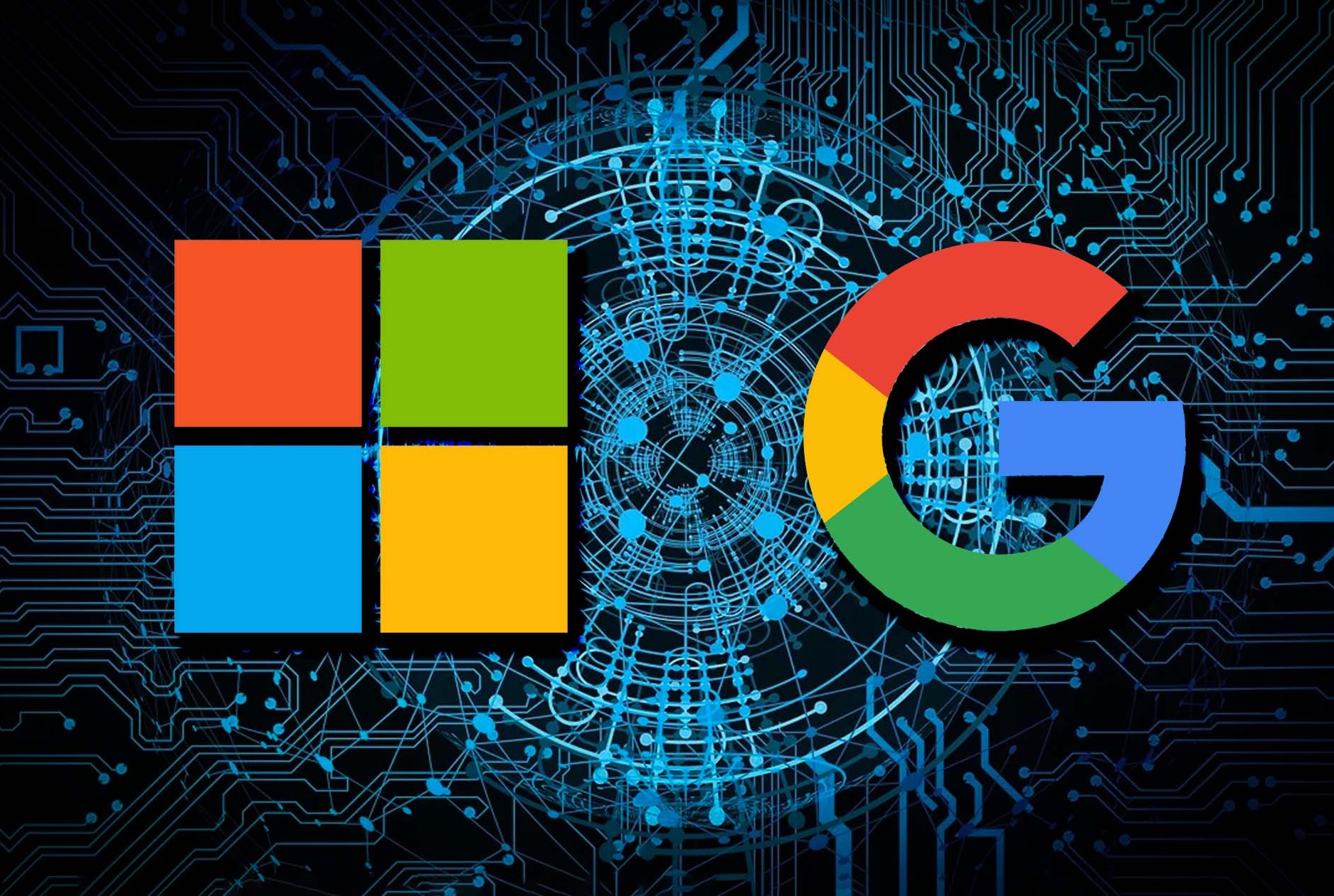
Microsoft, Google’s parent company Alphabet and Goldman Sachs have joined a growing list of major corporations opposing the trading of tokenized versions of their shares on OKXICE, a proposed blockchain-based stock exchange backed by cryptocurrency platform OKX and the parent company of the New York Stock Exchange. The latest objections bring the total to 16 companies, highlighting growing tensions between Wall Street’s push toward blockchain technology and corporations concerned about how their shares could be traded outside traditional stock markets.
Seven More Companies Reject Tokenized Stock Listings
According to an updated public notice dated October 19, seven additional companies objected to having blockchain-based versions of their shares traded on the proposed OKXICE Tokenized Securities Venue (TSV).
The latest companies include:
Microsoft
Alphabet (Google)
Goldman Sachs
Qualcomm
Caterpillar
McDonald’s
Western Digital
Their objections follow an earlier group of nine companies, including Broadcom, Verizon, UnitedHealth Group, CoreWeave, Rocket Lab, AppLovin, Applied Digital, Applied Optoelectronics and Cerebras Systems.
The total number of disclosed objections has increased from nine on October 15 to 16 on October 19.
Neither public notice provides individual explanations for the latest companies’ decisions.
OKX and New York Stock Exchange Parent Plan 24/7 Stock Trading
OKXICE is a proposed tokenized securities trading platform developed by cryptocurrency exchange OKX and Intercontinental Exchange (ICE), the parent company of the New York Stock Exchange.
The venture plans to use blockchain technology to allow eligible investors to trade tokenized versions of traditional U.S. stocks around the clock.
Its proposed infrastructure includes:
24/7 trading of eligible tokenized U.S. stocks.
X Layer, OKX’s Ethereum-compatible blockchain network.
Uniswap v4 technology for permissioned automated liquidity pools.
Stablecoin settlement using assets such as USDC, USDT and USDG.
Identity verification and sanctions screening for participating traders.
One-to-one backing of third-party-issued stock tokens with underlying shares.
The proposed tokens are intended to preserve the dividend, voting and other applicable rights associated with the underlying shares.
However, the platform has not announced a confirmed launch date, and it has not been established that trading is operational.
SEC Gives Companies the Right to Block Unauthorized Tokenization
The objections are possible because of the Securities and Exchange Commission’s Innovation Exemption, introduced on September 17.
The temporary framework allows qualifying tokenized securities venues to operate under conditional relief from certain traditional exchange-registration requirements.
However, it also establishes safeguards intended to protect investors and publicly traded companies.
When a third party wants to tokenize a company’s shares, the venue must provide the issuer with written notice and an opportunity to object.
Under the framework:
Companies receive a 30-calendar-day objection period after the required notice.
A timely objection prevents that venue from offering the company’s third-party-tokenized shares under the exemption.
Tokenized shares must provide equivalent shareholder rights.
Trading must stop when the underlying stock is halted on its primary exchange.
Platforms must comply with applicable limits on trading activity and eligible securities.
An objection to OKXICE does not necessarily mean a company opposes all blockchain-based stock trading.
It prevents the particular venue from offering the affected third-party-tokenized shares under the SEC’s exemption.
OKXICE Changes Its Plans to Include Company-Issued Tokens
The updated OKXICE notice includes an important change.
Its earlier filing focused on shares tokenized by third parties unaffiliated with the companies whose stocks were being offered.
The October 19 notice expanded that description to include tokens created by the underlying companies themselves.
This could provide a pathway for companies that want more direct control over how their shares are represented and traded on blockchain networks.
Under the third-party model, a designated company purchases and holds traditional shares through a registered broker-dealer.
It then issues blockchain tokens representing those underlying shares.
The issuer-backed model could give public companies a more direct role in creating and managing tokenized versions of their stock.
However, the revised notice does not mean that any of the 16 objecting companies has agreed to participate.
Goldman Sachs’ Objection Highlights Wall Street’s Mixed Position
Goldman Sachs stands out because the investment bank has been actively exploring blockchain-based financial infrastructure.
Its objection demonstrates an important distinction between supporting asset tokenization and supporting every proposed tokenized trading venue.
Traditional financial institutions may favor blockchain technology for settlement, custody and investment products while remaining cautious about how third parties represent their securities.
Other major financial institutions, including BlackRock, JPMorgan Chase and Franklin Templeton, have also pursued blockchain-based financial products.
The growing corporate resistance suggests that adoption will depend on more than technological capability.
Companies must also be comfortable with the legal structure, investor protections and market transparency of the platforms offering their securities.
Companies Raise Concerns About Pricing and Market Liquidity
Although the latest notice does not explain the reasons behind each objection, earlier reporting identified several concerns surrounding tokenized stock trading.
Applied Optoelectronics, one of the original objectors, questioned how tokenization might affect its stock’s price, liquidity and volatility.
The company also expressed concern that investors could mistake an independently created tokenized stock offering for a product endorsed by the company.
Potential issues include:
Price differences between tokenized shares and traditional stocks.
Fragmented liquidity across conventional exchanges and blockchain platforms.
Investor confusion about company authorization or endorsement.
Limited trading transparency outside the traditional market reporting system.
Smart contract and operational risks associated with blockchain infrastructure.
These concerns become particularly important when tokenized securities trade outside regular U.S. stock market hours.
Nasdaq Also Opposes Having Its Shares Traded Under the Exemption
Nasdaq has separately indicated that it does not want its own shares traded under the SEC’s current Innovation Exemption.
The exchange has expressed concerns about trading venues that do not provide conventional best-price information or report transactions through the consolidated market data system.
However, Nasdaq is also developing its own tokenized securities initiatives.
That position reinforces the distinction between supporting blockchain modernization and opposing specific trading structures.
For traditional exchanges, the challenge is introducing new technology without weakening existing investor protections and market transparency.
Most Companies on OKXICE’s Original List Have Not Objected
Despite the growing resistance, most companies originally identified by OKXICE have not filed publicly disclosed objections.
The platform initially identified 63 stock tickers representing 62 companies, with Alphabet included through two share classes.
Of those 62 companies, 15 have objected.
The sixteenth objector, Cerebras Systems, was not included on the original proposed trading roster.
That leaves 47 companies from the initial list without a disclosed objection as of the latest update.
Among the companies without publicly disclosed objections were Apple, Nvidia, Tesla, Amazon, Coinbase and JPMorgan Chase.
However, the absence of an objection should not be interpreted as formal endorsement or confirmation that those companies will participate.
Tokenized Stocks Could Transform Traditional Investing
Tokenized stocks use blockchain technology to represent financial interests associated with traditional company shares.
Supporters believe the technology could make investing more accessible and efficient by enabling:
Around-the-clock trading beyond conventional market hours.
Blockchain-based settlement of eligible transactions.
Stablecoin payments for stock purchases.
Programmable financial applications involving securities.
New trading infrastructure that connects traditional finance with digital asset markets.
However, tokenized shares are not automatically equivalent to conventional stock ownership.
Their rights and protections depend on the product’s legal structure and regulatory requirements.
The SEC’s exemption requires qualifying tokenized stocks to preserve the applicable rights and privileges of the underlying shares.
The technology also does not eliminate market volatility, liquidity problems or investment risks.
Wall Street’s Blockchain Transformation Faces Corporate Resistance
The latest objections reveal a growing challenge for companies attempting to bring traditional equities onto blockchain networks.
While regulators are creating pathways for tokenized stock trading, publicly traded companies are exercising their right to decide whether third parties can offer their shares through particular venues.
For OKXICE, the immediate challenge will be launching a compliant platform while navigating issuer objections.
For the broader tokenization industry, the issue raises questions about who should control the creation and distribution of blockchain-based versions of traditional securities.
- Tether-Backed USAT Expands to Celo With Native Gas Fee Support
- Fox News & Polygon Labs Release Blockchain-Powered Tool ‘Verify’ to Weed Out Deepfakes
- Nasdaq Bets $100 Million on Kraken Parent Payward to Put Wall Street Stocks Onchain
- Vitalik Buterin Lays Out Grand Vision For Ethereum Layer-2s with ‘The Surge’ Roadmap
- Trust Wallet Chrome Extension Hack Drains Over $6.7M from Users
- DogeOS Launches ZK Rollup to Bring DeFi and Smart Contracts to Dogecoin