















































































































































































































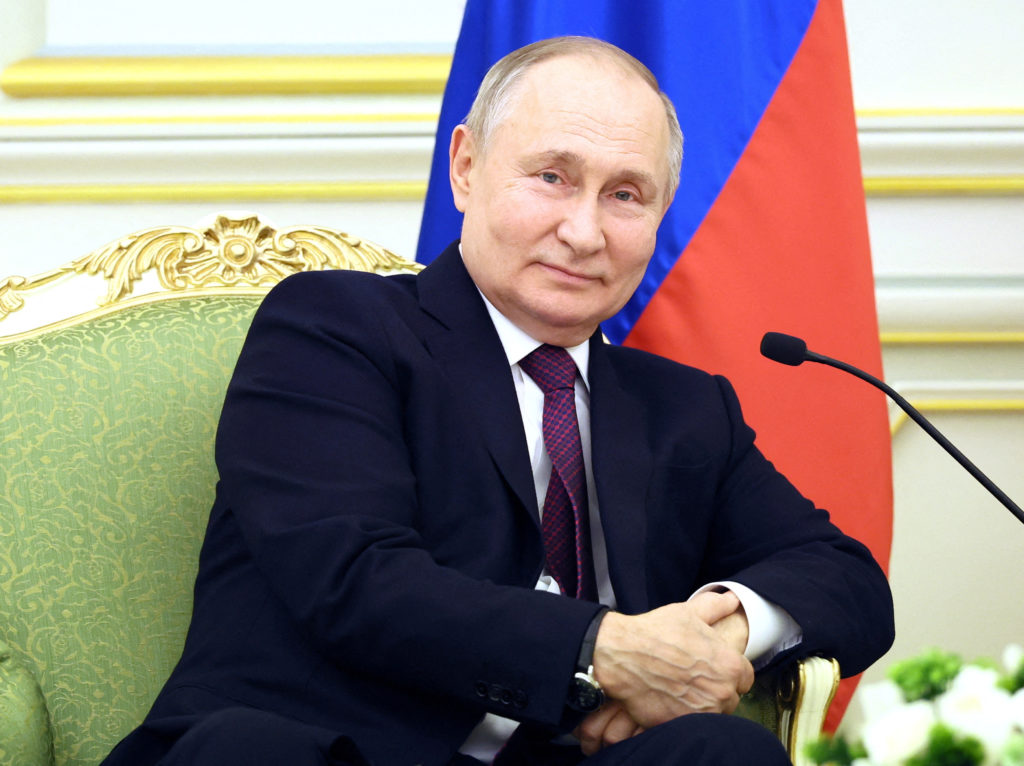
Russian President Vladimir Putin has signed a landmark cryptocurrency law establishing the country’s first comprehensive regulatory framework for digital assets. The legislation legalizes regulated retail cryptocurrency trading while creating licensing requirements for crypto exchanges, custodians, brokers, and other market participants. Although the law opens the door to broader crypto investing, it continues Russia’s longstanding ban on using cryptocurrencies as payment for goods and services within the country. The legislation represents one of the most significant changes to Russia’s digital asset policy since it first embraced crypto for cross-border trade amid Western sanctions.
The new framework is designed to bring cryptocurrency activity under formal government oversight while allowing both retail and institutional investors to participate in regulated markets. Russian authorities say the law provides long-awaited legal certainty for the domestic crypto industry, while maintaining strict controls over how digital assets can be used inside the country. The legislation is scheduled to take effect on September 1, 2026, with certain provisions rolling out through 2027.
Russia Creates a Regulated Crypto Market
The law establishes legal rules governing nearly every aspect of Russia’s cryptocurrency industry.
The framework covers:
- Cryptocurrency exchanges.
- Digital asset custodians.
- Crypto brokers.
- Clearing organizations.
- Investors.
- Other licensed market participants.
Under the new system, companies wishing to operate crypto exchanges must register with Russian authorities and meet minimum capital and compliance requirements before serving customers.
Retail Investors Face Annual Limits
The legislation allows everyday Russians to purchase cryptocurrencies, but only within defined limits.
Under the rules:
- Retail investors may purchase up to 300,000 rubles (approximately $3,700) in eligible cryptocurrencies each year through licensed intermediaries.
- Investors must complete mandatory suitability testing before gaining market access.
- The law does not yet specify which cryptocurrencies will qualify under the retail investment program.
These restrictions are intended to provide consumer protection while gradually introducing regulated crypto investing to the public.
Qualified Investors Receive Full Access
Professional and experienced investors will have significantly greater flexibility.
Individuals who obtain qualified investor status will be permitted to purchase cryptocurrencies without annual investment limits.
Investors may qualify based on factors such as:
- Previous cryptocurrency trading experience.
- Financial sophistication.
- Successful completion of suitability requirements.
The distinction creates a two-tier investment system similar to accredited investor frameworks used in other financial markets.
Crypto Payments Remain Illegal
While the law legalizes regulated crypto trading, it does not change Russia’s prohibition on using digital assets as domestic payment instruments.
The legislation continues to:
- Ban cryptocurrency payments for goods and services inside Russia.
- Prohibit crypto from functioning as legal tender.
However, cryptocurrencies remain permitted for cross-border settlements involving international trade between Russian and foreign counterparties, reflecting Russia’s continued effort to use digital assets to facilitate overseas commerce despite international sanctions.
Exchanges Must Meet New Requirements
The legislation introduces strict operational standards for cryptocurrency businesses.
Licensed exchanges will be required to:
- Register with a special government registry.
- Maintain at least 15 million rubles (approximately $185,000) in equity capital.
- Join an approved financial market self-regulatory organization.
- Operate under government supervision.
Existing exchanges will have until March 1, 2027, to comply with the new licensing framework.
Russia Continues Expanding Its Crypto Strategy
The law follows a series of major cryptocurrency policy changes introduced over the past two years.
Russia has already:
- Legalized cryptocurrency for certain international trade transactions.
- Regulated industrial crypto mining.
- Developed rules for organized digital asset trading.
- Continued tightening oversight of crypto mining operations in selected regions.
The new legislation represents Russia’s most comprehensive attempt yet to integrate cryptocurrency into its regulated financial system while preserving government control over domestic payments.
What This Means for Crypto
Russia’s new cryptocurrency law represents another major milestone in the global evolution of digital asset regulation. Rather than banning cryptocurrency outright or leaving the market largely unregulated, Russia has chosen a middle path that allows investment under strict government oversight while continuing to prohibit crypto as a domestic payment method. The framework provides legal certainty for exchanges and investors while reinforcing the government’s preference for maintaining control over the national monetary system.
- Freed From Prison, Binance Founder CZ Gets Ovation in Dubai and Talks New Educational Venture
- Coinbase Secures MiCA Approval, Shifts Headquarters to Luxembourg
- Pakistan Launches Crypto Sandbox to Test Digital Assets
- SWIFT Advocates For a Messaging Layer in Tokenized Payment Systems
- Trump-Backed Crypto Venture Linked to Firm Tied to Sanctioned Cambodian Scam Network
- Japanese Village Uses NFTs to Raise Money for Community