










































































































































































































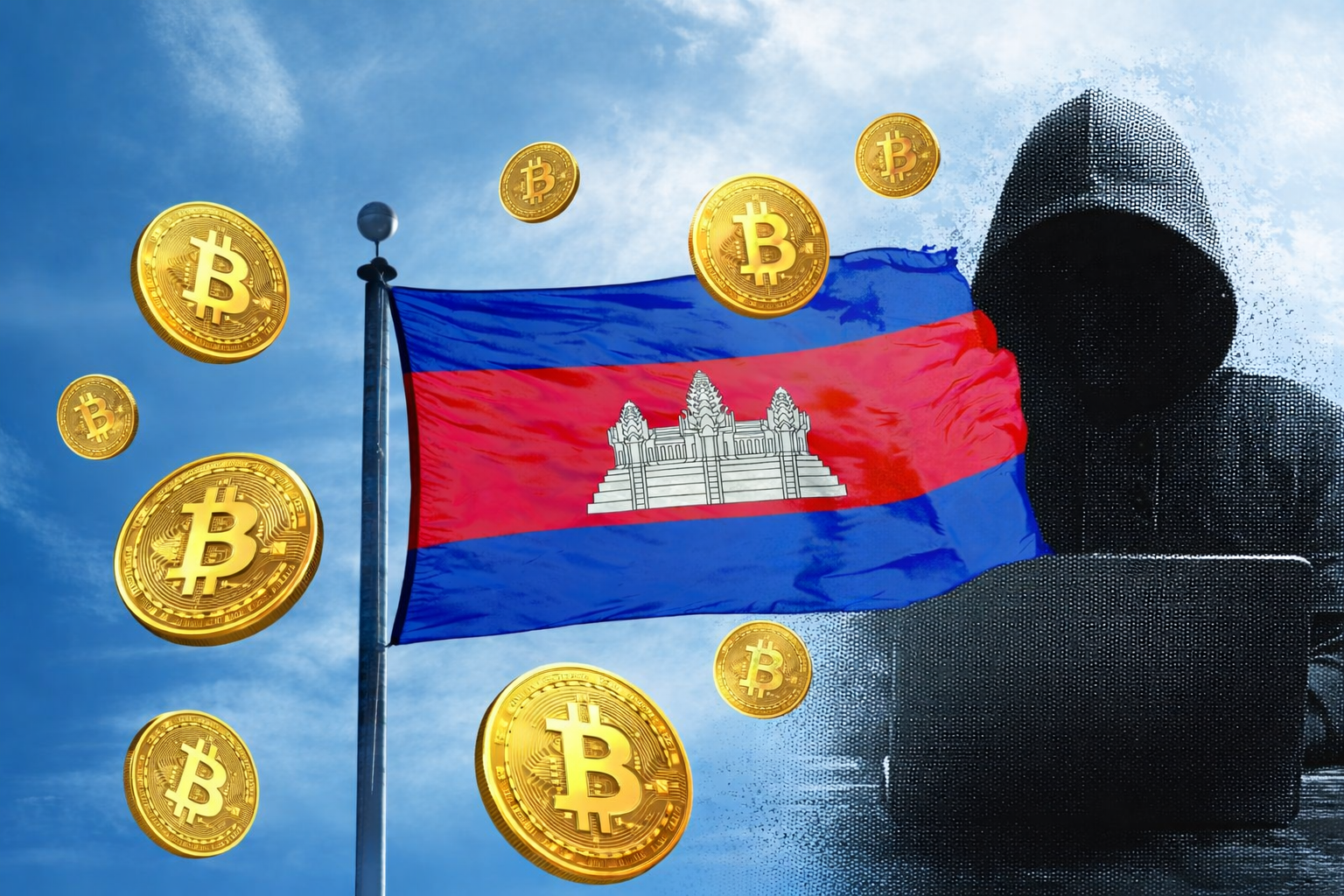
A crypto project backed by Donald Trump is facing scrutiny after a partner company was linked to individuals connected to a sanctioned Cambodian conglomerate accused of running large-scale global scam operations.
Partnership Raises Red Flags
The controversy centers around World Liberty Financial, a DeFi project tied to the Trump family, which partnered with a blockchain ecosystem known as AB Network. Investigations found that individuals involved in a related project tied to AB were later sanctioned by the U.S. Treasury for connections to the Cambodia-based Prince Group.
The partnership allowed AB Network to integrate World Liberty’s USD1 stablecoin into its blockchain infrastructure.
The “Blockchain Resort” Connection
At the center of the issue is a proposed “blockchain theme resort” project in Timor-Leste, promoted as a crypto innovation hub. Investigators found that three individuals involved in that project were later sanctioned for alleged ties to the Prince Group.
The Prince Group has been accused by U.S. authorities of operating a massive transnational scam network involving fraud, money laundering, and human trafficking through so-called “pig butchering” schemes.
However, reports indicate:
- The sanctioned individuals were removed after sanctions were announced
- There is no confirmed evidence that illicit funds entered the project
- The AB Network itself denies direct ties to the Prince Group
World Liberty Responds
World Liberty Financial stated it conducted due diligence before the partnership and was not aware of any connections between AB Network and sanctioned individuals at the time.
Company representatives also denied any wrongdoing, calling claims of direct association with sanctioned actors “unfounded.”
Bigger Concerns Around Due Diligence
Even without direct involvement, the situation is raising broader concerns about:
- Due diligence standards in crypto partnerships
- The complexity of global crypto networks and hidden affiliations
- Reputational risk for projects tied to political figures
The case highlights how quickly partnerships in Web3 can become controversial when linked—even indirectly—to sanctioned entities.
Why This Matters
This isn’t just about one partnership—it reflects a larger issue in crypto.
The bigger takeaway:
As crypto expands globally, the lines between innovation, geopolitics, and illicit activity are becoming harder to separate. Projects that move fast without deep due diligence risk exposure—not just to hacks, but to who they’re building with behind the scenes.
- Japan Tests The Use of Surplus Solar Energy to Mine Bitcoin
- Hong Kong Puts First Regulated Stablecoin to Work in Insurance and $49 Billion UAE Trade Market
- Crypto Users in Nigeria Briefly Lose Access to Binance, Kraken, and Coinbase
- Indian City of Raipur Puts Real Estate Records on Blockchain With Airchains
- Japanese Village Uses NFTs to Raise Money for Community
- Brazil Moves to Ban Stablecoins Not Backed by Real-World Assets