






























































































































![Ribbita by Virtuals [OLD]](https://assets.coingecko.com/coins/images/54970/large/Untitled_design.png)











































































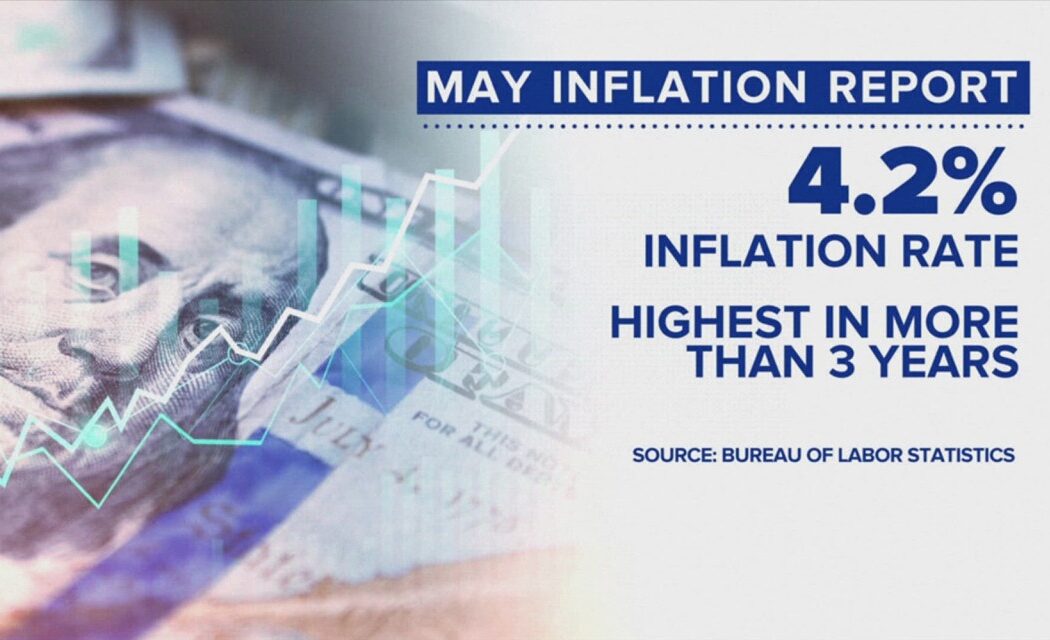
The latest U.S. Consumer Price Index (CPI) report delivered a mixed signal to investors, showing inflation rising to 4.2% year-over-year in May, the highest level since April 2023. The reading matched economist expectations but marked a significant reversal from the disinflationary trend that had been developing earlier this year. Despite the hotter inflation data, cryptocurrency markets staged a modest rebound as traders focused on softer core inflation figures and the absence of a major upside surprise.
The report arrives at a critical time for financial markets as investors attempt to gauge the next move from the Federal Reserve under new Chair Kevin Warsh. While headline inflation continues moving further above the Fed’s 2% target, underlying inflation pressures showed signs of moderation, creating uncertainty around future monetary policy decisions.
Inflation Hits Highest Level in Three Years
According to data from the U.S. Bureau of Labor Statistics, headline CPI rose from 3.8% in April to 4.2% in May, matching forecasts but reaching its highest level in more than three years. On a monthly basis, prices increased 0.5%, while core inflation, which excludes food and energy, rose a more modest 0.2%.
The primary driver behind the inflation surge was energy. Energy prices climbed sharply due to ongoing geopolitical tensions and rising oil prices, accounting for more than 60% of the monthly increase in the CPI report. Gasoline prices alone surged dramatically compared to a year ago, placing additional pressure on consumers and businesses alike. While headline inflation accelerated, the softer monthly core inflation reading offered some relief to investors concerned that inflationary pressures were spreading more broadly throughout the economy.
Federal Reserve Faces a Difficult Decision
The latest inflation data complicates the outlook for the Federal Reserve. Markets had been anticipating interest rate cuts later this year, but the persistence of inflation above 4% could force policymakers to maintain a restrictive stance for longer than previously expected.
Many economists now believe the Fed will likely keep rates unchanged in the near term while monitoring whether energy-driven inflation begins spilling over into other areas of the economy. The softer core CPI figure has reduced fears of immediate rate hikes, but it has also weakened expectations for aggressive rate cuts. The upcoming Federal Open Market Committee meetings will be closely watched as investors seek clarity on how policymakers plan to respond to the renewed inflationary pressures.
Crypto Markets Show Unexpected Resilience
Despite the inflation spike, cryptocurrency markets reacted positively following the release. Bitcoin briefly moved higher after the report, while Ethereum, Solana, and other major digital assets also posted gains during the initial reaction. Traders appeared to focus on the fact that inflation met expectations and that core monthly inflation came in softer than anticipated.
The rebound highlights the growing resilience crypto markets have shown in recent months. Earlier in the week, Bitcoin had already begun recovering from recent volatility, and the CPI report failed to trigger the aggressive selling that some analysts feared. Institutional participation through spot Bitcoin ETFs and continued long-term demand for digital assets have helped support prices even as macroeconomic conditions remain uncertain.
Higher-for-Longer Rates Remain a Risk
Although crypto markets responded positively in the short term, the broader implications of rising inflation could still present challenges. Persistent inflation increases the likelihood that interest rates remain elevated for an extended period, which can reduce liquidity and pressure risk assets such as cryptocurrencies.
Historically, higher interest rates have created headwinds for speculative investments by increasing borrowing costs and strengthening the U.S. dollar. If inflation remains elevated through the summer, markets may begin pricing in a more hawkish Federal Reserve stance. Investors will now closely monitor future inflation reports, energy prices, and geopolitical developments that could influence the direction of monetary policy over the coming months.
- Harvard Reveals $116 Million Investment in BlackRock Bitcoin ETF
- Bittensor’s TAO Token Plunges as Key Builder Exit Sparks Decentralization Concerns
- MetaMask Rolls Out Perpetuals Trading, Plans Polymarket Integration
- Bitcoin Surges Above $63,000 as July Rally Erases End-of-June Losses
- Bitcoin Wallet Maker Exodus Jumping Up to New York Stock Exchange
- Solana Meme Coin ‘ChillGuy’ Plummets After IP Creator’s Accounts Hacked to Share Hoax