












































































































































































































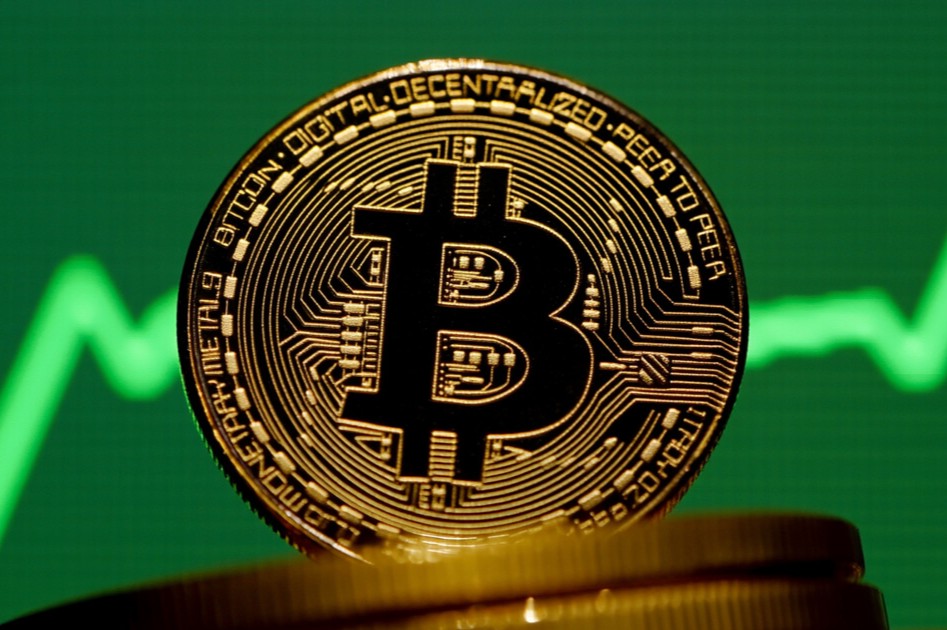
Bitcoin climbed above $65,000 to start the week as easing geopolitical concerns surrounding the Strait of Hormuz helped lift cryptocurrencies, U.S. stock futures and other risk assets. Bitcoin rose 0.54% to $65,209, while Ethereum gained 0.86% to approximately $1,925 after reports suggested Iran may be prepared to reach an agreement with Oman to reopen the critical oil shipping route.
The rebound comes after a turbulent period for crypto markets dominated by Middle East tensions, cybersecurity incidents and uncertainty surrounding U.S. monetary policy. While Bitcoin’s move above $65,000 provided some relief, traders remain cautious, with capital still heavily concentrated in BTC and the broader altcoin market waiting for a stronger Bitcoin breakout before potentially beginning a larger rotation.
Iran-Oman Talks Give Risk Markets a Boost
The immediate catalyst came from reports that Iran could reach an agreement with Oman involving the Strait of Hormuz.
The strategically important waterway has become a major concern for global financial markets because disruptions can significantly affect oil supplies and energy prices.
As hopes for an agreement increased, investors moved back toward risk assets.
Nasdaq 100 futures gained approximately 0.45%, while Bitcoin and Ethereum moved higher alongside equity markets.
For crypto investors, developments surrounding the Strait matter because higher oil prices can increase inflationary pressure. Persistent inflation could make the Federal Reserve more likely to maintain restrictive monetary policy or raise interest rates, generally creating a more difficult environment for speculative assets such as cryptocurrencies.
Bitcoin Holds Above $65,000
Bitcoin’s return above $65,000 comes as traders attempt to determine whether the cryptocurrency can finally establish another sustained move higher.
According to CoinDesk, Bitcoin’s next important area could be between approximately $68,000 and $72,000. A move into that range could potentially encourage investors to rotate capital from Bitcoin into smaller cryptocurrencies.
That rotation hasn’t happened yet.
CoinMarketCap’s Altcoin Season Index stood at just 37 out of 100, down substantially from 51 the previous week.
The decline suggests investors remain focused primarily on Bitcoin rather than aggressively moving money into altcoins.
Bitcoin ETF Investors Pour $853 Million Into the Market
Bitcoin’s recovery is also being supported by renewed institutional demand.
U.S. spot Bitcoin ETFs attracted approximately $853.5 million in net inflows during the week ending August 7, their largest weekly total since mid-April.
BlackRock’s IBIT accounted for approximately $693 million of those inflows, representing the majority of the week’s new capital.
The combination of institutional ETF demand and easing geopolitical concerns could provide Bitcoin with additional support as traders watch whether BTC can establish momentum above $65,000.
Bitcoin Futures Traders Lean Bullish
Derivatives markets also showed signs of improving sentiment.
Long positions represented approximately 52% of taker volume in crypto futures, pushing the long-short ratio back into bullish territory.
Bitcoin futures open interest nevertheless remained relatively subdued, falling below 750,000 BTC. Funding rates and open-interest-adjusted cumulative volume delta remained positive, suggesting the traders still participating were leaning toward further upside.
Bitcoin options markets showed similar positioning.
Calls at $68,000 and $70,000 were among the most heavily traded Bitcoin options, indicating increased interest in upside exposure around those price levels.
Bitcoin Volatility Falls to 2026 Low
Another interesting development is how calm Bitcoin’s options market has become.
Bitcoin’s 30-day implied volatility index fell to 35.59%, its lowest level of 2026.
Lower implied volatility means options traders are expecting relatively smaller price swings compared with earlier periods.
However, investors are still paying a premium for downside protection through put options, indicating that traders aren’t completely dismissing the possibility of another selloff.
That combination creates an unusual setup — Bitcoin volatility expectations are extremely low even as several potentially market-moving geopolitical and economic events remain ahead.
Solana Futures Activity Starts Picking Up
Solana showed signs of renewed interest from derivatives traders.
SOL futures open interest increased to approximately 64.6 million tokens, recovering from a recent low near 60 million.
The increase accompanied Solana’s rebound from approximately $70 to above $76. CoinDesk noted that SOL also moved above its widely followed Ichimoku cloud, potentially signaling a short-term bullish trend reversal.
The increase in futures activity suggests fresh capital may be returning to Solana even while the broader altcoin market remains relatively quiet.
Monero Pushes Above $400
Monero emerged as another standout performer.
XMR climbed approximately 5% over 24 hours and briefly traded above $400 for the first time since June 12.
Unlike some short-lived altcoin rallies, derivatives activity increased alongside the price. Monero futures open interest jumped approximately 6%, while its cumulative volume delta was the strongest among major cryptocurrencies tracked by CoinDesk.
Annualized funding rates also reached approximately 28%, the highest among major cryptocurrencies, indicating strong demand among traders seeking leveraged upside exposure.
Pump.fun Leads Altcoin Gains
Several smaller cryptocurrencies outperformed Bitcoin during the session.
Pump.fun’s PUMP climbed approximately 5.39%, pushing its market capitalization above $1.1 billion.
Ethena’s ENA gained around 4.84%, while NEAR Protocol advanced approximately 3.79% as AI-related cryptocurrencies recovered. FET also gained roughly 2.1%.
Worldcoin’s WLD posted an even larger 24-hour gain of approximately 13%, although the token remained around 91% below its record high from the previous year.
The individual rallies show that speculative interest hasn’t disappeared, but there still isn’t enough broad participation to classify the market as being in a true altcoin season.
Inflation Becomes Crypto’s Next Major Test
With geopolitical concerns temporarily easing, traders are turning their attention back toward the U.S. economy.
This week’s Consumer Price Index report is one of the biggest upcoming events for crypto markets.
Economists expect July annual inflation around 3.4%, compared with 3.5% previously. Markets will also watch producer prices, jobless claims and retail sales for additional evidence about the direction of the economy.
A cooler inflation reading could strengthen expectations that the Federal Reserve can avoid another rate increase, potentially weakening the dollar and creating a more supportive environment for Bitcoin and other risk assets.
A hotter-than-expected report could have the opposite effect.
- BNB Hits All-Time High of $1,114 as Network Upgrades and Short Squeeze Fuel Rally
- HIVE Stock Surges 10% After Landing $220 Million Sovereign AI Infrastructure Deal in Canada
- Bitcoin Drops Below $74K as Breakout Attempt Fails Again
- RAY Token Up 8% as Raydium Rolls Out Pump.fun Competitor ‘LaunchLab’
- MARA Sells $1.1B in Bitcoin to Cut Debt as Stock Surges on Strategic Pivot
- Dogecoin Jumps 10%, Breaking Away From Bitcoin as Open Interest Hits Yearly High