




















































































































































































































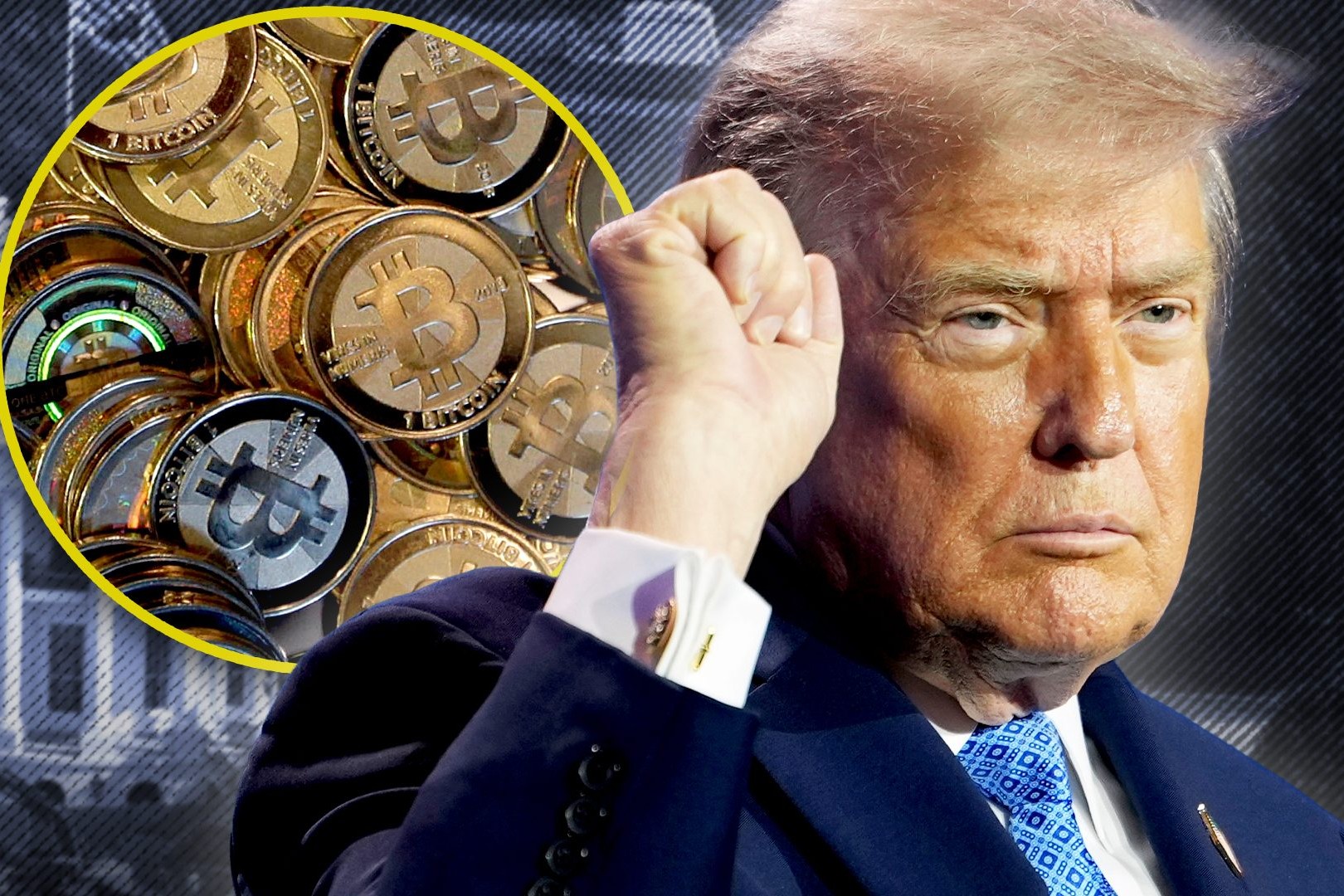
President Donald Trump has disclosed more than $1.2 billion in cryptocurrency-related income and holdings in his latest annual financial filing, underscoring how digital assets have rapidly become one of the largest drivers of his personal business empire. The disclosure reveals hundreds of millions of dollars generated through World Liberty Financial, the TRUMP memecoin, and other blockchain ventures, along with more than $50 million in Bitcoin holdings. The filing highlights the growing intersection of politics, finance, and cryptocurrency as digital assets continue moving into the mainstream.
The more than 900-page financial disclosure, filed with the U.S. Office of Government Ethics, offers the most detailed look yet at Trump’s expanding crypto portfolio. It also arrives as his administration continues advancing pro-crypto policies aimed at positioning the United States as a global leader in blockchain innovation, an overlap that has fueled ongoing debate over ethics and potential conflicts of interest.
Crypto Becomes Trump’s Biggest Revenue Generator
According to the disclosure, Trump’s cryptocurrency businesses generated more than $1.2 billion during 2025, surpassing many of his traditional real estate operations.
Among the largest sources of income were:
- World Liberty Financial token sales
- Licensing revenue tied to the TRUMP memecoin
- Additional blockchain-related investments
- More than $50 million in reported Bitcoin holdings
The filing illustrates how rapidly Trump’s financial interests have shifted toward digital assets, making crypto one of the largest contributors to his overall wealth.
World Liberty Financial Drives Massive Revenue
One of the biggest contributors was World Liberty Financial, the decentralized finance platform backed by Trump and members of his family.
The disclosure reports that Trump earned more than $500 million through token sales and related transactions involving the project. Since its launch, World Liberty Financial has become one of the highest-profile crypto ventures associated with a sitting U.S. president.
Supporters view the project as evidence of growing institutional acceptance of blockchain technology, while critics argue it raises unprecedented ethical questions because federal policy decisions could potentially affect businesses connected to the president.
TRUMP Memecoin Generated Hundreds of Millions
The filing also shows substantial earnings tied to the TRUMP memecoin.
Revenue from licensing agreements and related business activities surrounding the token reportedly exceeded $600 million, making it another major source of crypto-related income during the reporting period.
Although the token generated significant revenue during its launch, its market value has fallen sharply from its peak as broader crypto markets weakened throughout 2026. The filing highlights the difference between income generated from token issuance and the subsequent market performance experienced by investors.
Bitcoin Remains Part of the Portfolio
In addition to crypto business income, Trump disclosed owning more than $50 million worth of Bitcoin.
The filing reflects continued institutional acceptance of Bitcoin as a long-term treasury asset and demonstrates that exposure to digital assets now extends beyond token launches into direct cryptocurrency ownership.
Bitcoin’s inclusion alongside real estate, stocks, licensing agreements, and other investments further illustrates how digital assets have become a mainstream component of diversified investment portfolios.
Ethics Debate Continues
The disclosure has renewed debate over the relationship between public office and private crypto ventures.
Ethics experts have questioned whether a president whose administration is actively shaping cryptocurrency regulation should simultaneously benefit from businesses operating within the industry.
The White House has maintained that Trump’s assets are managed through trusts overseen by his family and that administration policies are developed in the public interest rather than to benefit any private business. Trump has also stated publicly that he is not directly involved in managing his day-to-day financial affairs.
Crypto Becomes a Central Part of U.S. Policy
The financial disclosure arrives during one of the most active periods for cryptocurrency legislation in U.S. history.
Over the past year, Congress and the Trump administration have advanced initiatives involving:
- Stablecoin regulation
- Digital asset market structure
- Strategic Bitcoin reserves
- AI and blockchain innovation
- Tokenized financial markets
- Institutional crypto adoption
The timing has intensified discussion about how policymakers should address financial disclosures and ethics requirements as digital assets become increasingly integrated into government policy.
- Bitcoin Fear Surges as “Going to Zero” Google Searches Hit 2022-Era Highs
- Grayscale and CoinShares Target New Crypto ETFs Including Litecoin, Solana, and XRP
- Ethereum ETFs Lead Investments With Best Day in Six Weeks
- Bitwise Files S-1 Registration with SEC For Spot HYPE ETF
- BNB Hits All-Time High of $1,114 as Network Upgrades and Short Squeeze Fuel Rally
- Bitcoin Extends Losses Below $89,000 as Fed Minutes Outline 2-Sided Risks, No Preset Path For Rate Cuts