














































































































































































































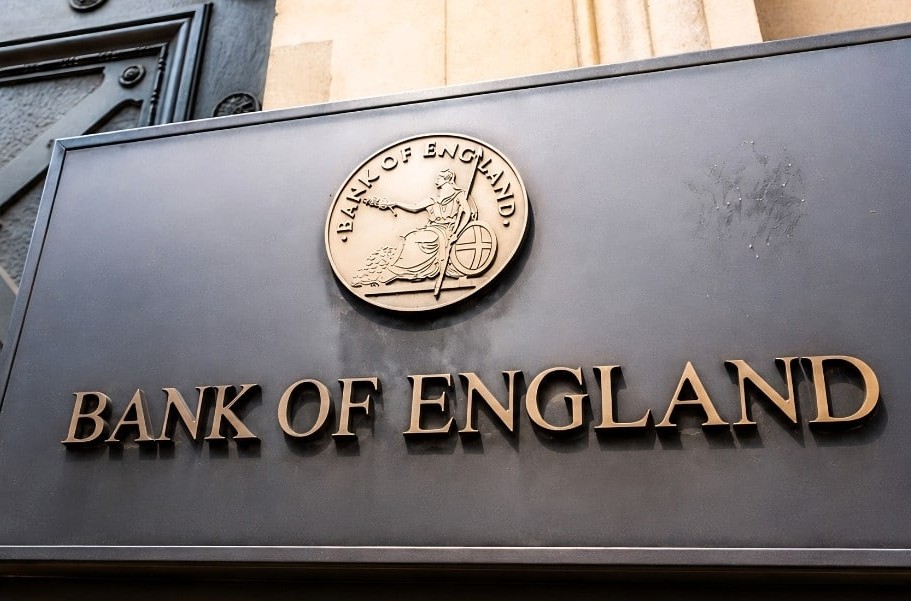
The Bank of England (BoE) is reportedly preparing to ease several of its proposed stablecoin restrictions after months of criticism from crypto firms, fintech companies, and financial industry groups who warned the rules could drive innovation out of the United Kingdom. The shift signals a major regulatory pivot as global competition around stablecoins and tokenized finance continues accelerating.
BoE Reconsidering Strict Stablecoin Caps
According to comments from Bank of England Deputy Governor Sarah Breeden, officials are now “looking very hard” at alternative approaches to stablecoin oversight after acknowledging some earlier proposals may have been “overly conservative.”
The original framework proposed several controversial restrictions including:
- A £20,000 holding cap for individuals
- A £10 million holding cap for businesses
- A requirement that issuers hold 40% of reserves in non-interest-bearing Bank of England deposits
Industry groups argued the framework would make UK-issued stablecoins commercially uncompetitive compared to more flexible regimes emerging in the United States and European Union.
Industry Pressure Forced Regulatory Reassessment
Crypto companies and fintech trade groups spent months lobbying against the proposals, warning the rules would create operational burdens and discourage stablecoin issuers from operating in Britain. Breeden acknowledged the criticism directly, stating regulators heard concerns that the proposed holding limits and reserve requirements were “cumbersome operationally” and potentially too rigid for a rapidly evolving industry.
The BoE now appears increasingly open to:
- More flexible reserve structures
- Alternative liquidity safeguards
- Less restrictive holding limits
- Greater use of short-term government bonds as reserves
The changes would represent a significant softening from the Bank’s earlier approach, which many viewed as one of the strictest stablecoin frameworks among major economies.
UK Fears Falling Behind the U.S. and Europe
A major factor driving the policy shift is growing concern that the UK could lose ground in the global race for digital asset infrastructure. The United States has rapidly accelerated stablecoin legislation through the CLARITY Act and related proposals, while the European Union already launched its MiCA crypto framework.
Meanwhile, stablecoins are becoming increasingly integrated into payments, tokenized finance, and AI-driven commerce systems globally. Analysts say UK regulators are now recognizing that excessively restrictive rules could push stablecoin issuers and blockchain firms toward friendlier jurisdictions. The pressure has intensified as countries like Japan, South Korea, Hong Kong, and Bermuda aggressively expand stablecoin initiatives and tokenized finance infrastructure.
Stablecoins Becoming Strategic Financial Infrastructure
The Bank of England’s softer stance reflects a broader global realization that stablecoins are evolving beyond speculative crypto trading tools into foundational financial infrastructure.
Stablecoins are increasingly being used for:
- Cross-border payments
- Tokenized asset settlement
- AI-driven commerce
- Institutional collateral systems
- Onchain FX markets
- Real-time financial settlement
Several central banks and regulators now face a difficult balancing act: encouraging innovation while also preventing financial instability, bank deposit outflows, and systemic risks tied to large-scale digital currency adoption.
BoE Still Focused on Financial Stability Risks
Despite the softer tone, the Bank of England continues expressing concerns about the systemic risks stablecoins could create if widely adopted. BoE Governor Andrew Bailey recently warned that poorly regulated stablecoins could threaten financial stability, particularly if users rapidly convert bank deposits into digital assets during periods of market stress.
Officials also remain concerned about:
- Stablecoin “runs” during crises
- Liquidity mismatches
- Cross-border regulatory inconsistencies
- Money laundering risks
- Dependence on crypto exchanges for redemption
The revised framework is expected to continue emphasizing strong reserve backing and redemption guarantees even if holding caps and operational restrictions are softened.
Draft Stablecoin Rules Expected This Summer
The Bank of England and the UK’s Financial Conduct Authority are expected to release updated draft stablecoin regulations for formal consultation later this summer.
The UK’s regulatory structure will likely divide oversight between:
- The Bank of England for “systemic” stablecoins
- The FCA for non-systemic issuers and broader consumer protections
Officials say the goal is to create a framework that supports innovation while ensuring stablecoins can operate safely within the broader financial system.
- Ripple Deepens RLUSD Footprint With Three Strategic Partnerships in Turkey
- Gemini Slashes Jobs and Exits Europe, UK and Australia to Streamline Operations
- Virtual Assets Back Active: Nigeria Ends Years-Long Restrictions on Crypto Transactions
- Dubai Insurance Becomes First Insurer to Offer Crypto Wallet For Payments, Premiums and Claims
- Landmark Ruling in India Treats XRP as Property, Not Speculation
- Bybit Launches Shariah-Compliant Crypto Accounts for Muslim