




















































































































































































































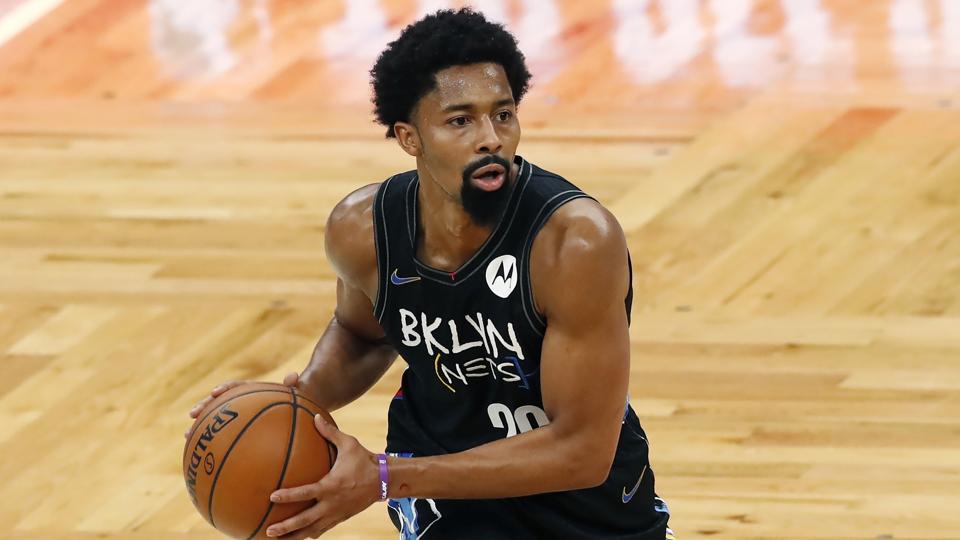
Long before athlete tokens, NIL deals, and creator coins became mainstream, Spencer Dinwiddie was already pushing the boundaries of what crypto could do in sports. His early attempt to tokenize his NBA contract was controversial, misunderstood, and nearly shut down—but today, it looks more like a blueprint for where Web3 is headed.
The Original Vision: Turning Contracts Into Crypto Assets
Back in 2020, Dinwiddie proposed something radical: turning his NBA contract into a tokenized investment productthat fans could buy into.
The idea was simple but powerful:
- Break his contract into digital tokens
- Allow investors to buy a share of his future earnings
- Create a new asset class tied to athlete performance
At the time, this blurred the line between sports, finance, and securities law—triggering immediate pushback from the NBA, which argued it violated league rules and collective bargaining agreements. Instead of fully tokenizing his contract, Dinwiddie pivoted to issuing a bond-like product backed by business income, raising only a portion of the intended capital. Still, the idea was planted.
From Contract Tokenization to Creator Economy
Even though the initial experiment was limited, it opened the door to something bigger: tokenizing people, not just assets. Dinwiddie later co-founded platforms like Calaxy, built around the idea that creators and athletes could issue their own tokens, allowing fans to invest in their brand and access exclusive experiences.
This concept has since evolved into:
- Social tokens
- Creator monetization platforms
- Web3 fan engagement ecosystems
What was once considered “too early” is now becoming a core part of the digital economy.
Breaking the Misconception: It Was Never About the Contract
One key detail that often gets misunderstood: Dinwiddie’s token didn’t actually need to be backed directly by his NBA contract. Later analysis and discussions clarified that the structure was more flexible—focused on cash flow and revenue participation, not literal ownership of the contract itself. That distinction matters, because it shows how tokenization can work within existing legal frameworks without directly violating league or regulatory rules.
Why the NBA (and the World) Wasn’t Ready Yet
At the time, Dinwiddie’s idea ran into three major barriers:
- Regulation: Tokenized assets blurred securities laws
- League control: The NBA tightly manages player contracts
- Market readiness: Infrastructure and understanding weren’t there yet
Fast forward to today, and all three are evolving:
- Tokenization is now a major narrative in finance
- NIL deals allow athletes to monetize their brand
- Blockchain infrastructure is far more mature
What was once rejected is now being rebuilt—just in a different form.
Dinwiddie’s Latest Perspective: The Future Is Bigger Than Sports
In more recent conversations and interviews, Dinwiddie has doubled down on his belief that tokenization isn’t just about athletes—it’s about ownership of identity and economic participation.
The bigger vision includes:
- People becoming investable assets
- Fans participating in upside of creators and talent
- Blockchain redefining how value is assigned to individuals
This aligns directly with today’s trends in AI agents, creator economies, and tokenized assets—all converging into one system.
The Bigger Picture
Spencer Dinwiddie wasn’t wrong, he was just early. His attempt to bring crypto into the NBA was one of the first real-world experiments in tokenizing human capital, and while it faced resistance at the time, it helped shape the direction of Web3 today. Now, as tokenization becomes a trillion-dollar narrative and creators gain more control over their income streams, the question isn’t whether Dinwiddie’s idea will work—it’s how far it can go. Because in the next phase of Web3, the most valuable asset might not just be crypto…
it might be you.
- ‘Bitcoin Rodney’ Faces Decades in Prison as Feds Add Wire Fraud to HyperFund Charges
- Elon Musk Declares Fiat ‘Hopeless,’ Says America Party Will Embrace Bitcoin
- Doja Cat’s Social Media Compromised to Promote Fake Solana-Based Meme coin
- Gucci Begins Accepting Ethereum and Dogecoin at Select US Stores
- CZ Donates 1000 BNB to Thailand & Myanmar Earthquake Victims
- Director of ’47 Ronin’ Charged With Defrauding Netflix, Misusing $11M on Crypto and Luxury Goods