

















































































































































































































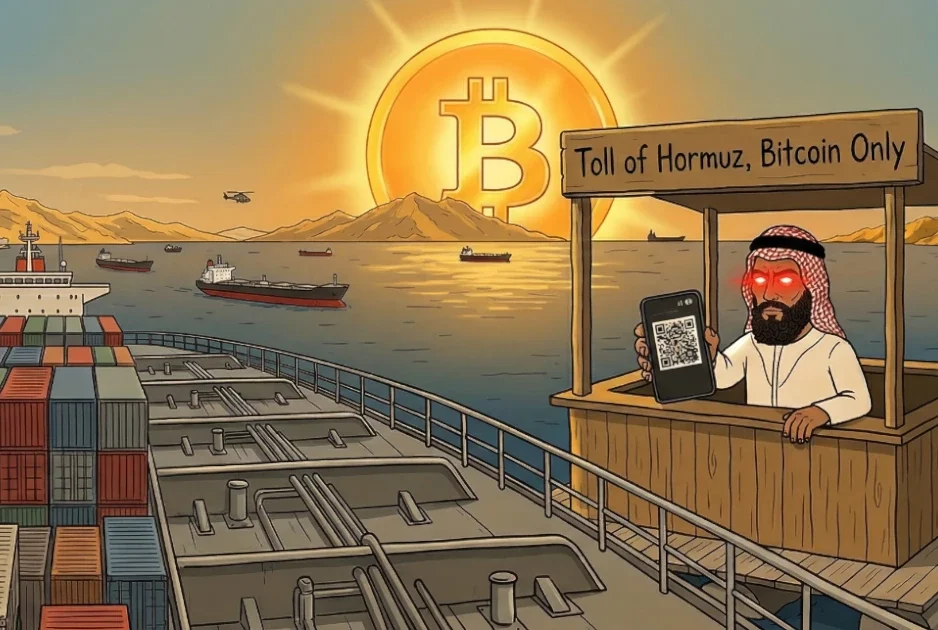
A new wave of crypto-related scams is emerging in one of the world’s most critical shipping routes, as fraudsters are demanding Bitcoin and USDT
Fake Clearance Messages Target Stranded Ships
According to maritime risk firm MARISKS, scammers are impersonating Iranian authorities and sending messages to ship operators claiming they can guarantee safe passage. These messages instruct companies to submit documentation for “review,” after which a crypto payment is required before transit is approved. The fee is typically requested in Bitcoin or Tether, with promises that vessels will be allowed to pass without interference once payment is made. MARISKS confirmed the messages are fraudulent and not connected to any official government entity.
Real World Conflict Makes the Scam More Convincing
What makes this scheme especially dangerous is how closely it mirrors real developments in the region. Iran has reportedly explored or implemented crypto-based toll systems for ships passing through the strait, including fees tied to oil shipments. This creates a situation where legitimate and fraudulent payment demands appear almost identical. With hundreds of vessels and thousands of seafarers stranded due to ongoing conflict and blockades, scammers are taking advantage of urgency and uncertainty to pressure victims into paying.
At Least One Ship May Have Been Caught in the Scheme
The situation escalated beyond financial fraud as reports suggest that at least one vessel may have acted on the fake instructions. During a brief reopening of the strait, multiple ships attempted to pass through and were met with gunfire, forcing them to turn back. MARISKS believes one of those vessels may have followed fraudulent “clearance” guidance, highlighting the real-world danger tied to the scam. This transforms the incident from a typical crypto scam into a serious maritime security risk.
Why Bitcoin and USDT Are Being Used
The choice of Bitcoin and USDT is intentional. Crypto offers fast, borderless transactions that are difficult to reverse, making it ideal for scams operating across jurisdictions. At the same time, the growing use of crypto in legitimate international payments—especially in sanctioned regions—makes these requests appear more credible. This combination of realism and anonymity is what gives the scam its effectiveness.
- LimeWire Revives Fyre Festival with Crypto-Powered Vision
- Musician G. Love Loses Nearly 6 BTC After Downloading Fake Ledger App From Apple Store
- Gucci Begins Accepting Ethereum and Dogecoin at Select US Stores
- Crypto Transactions Link Chinese Fentanyl Suppliers to Mexican Cartels, Chainalysis Report
- Eminem’s Unreleased Songs Sold for $50K in Bitcoin, Ex-Engineer Charged
- Wasabi Protocol Drained for $4.5M in Admin Key Hack, Exposing DeFi Security Risks