
















































































































































































































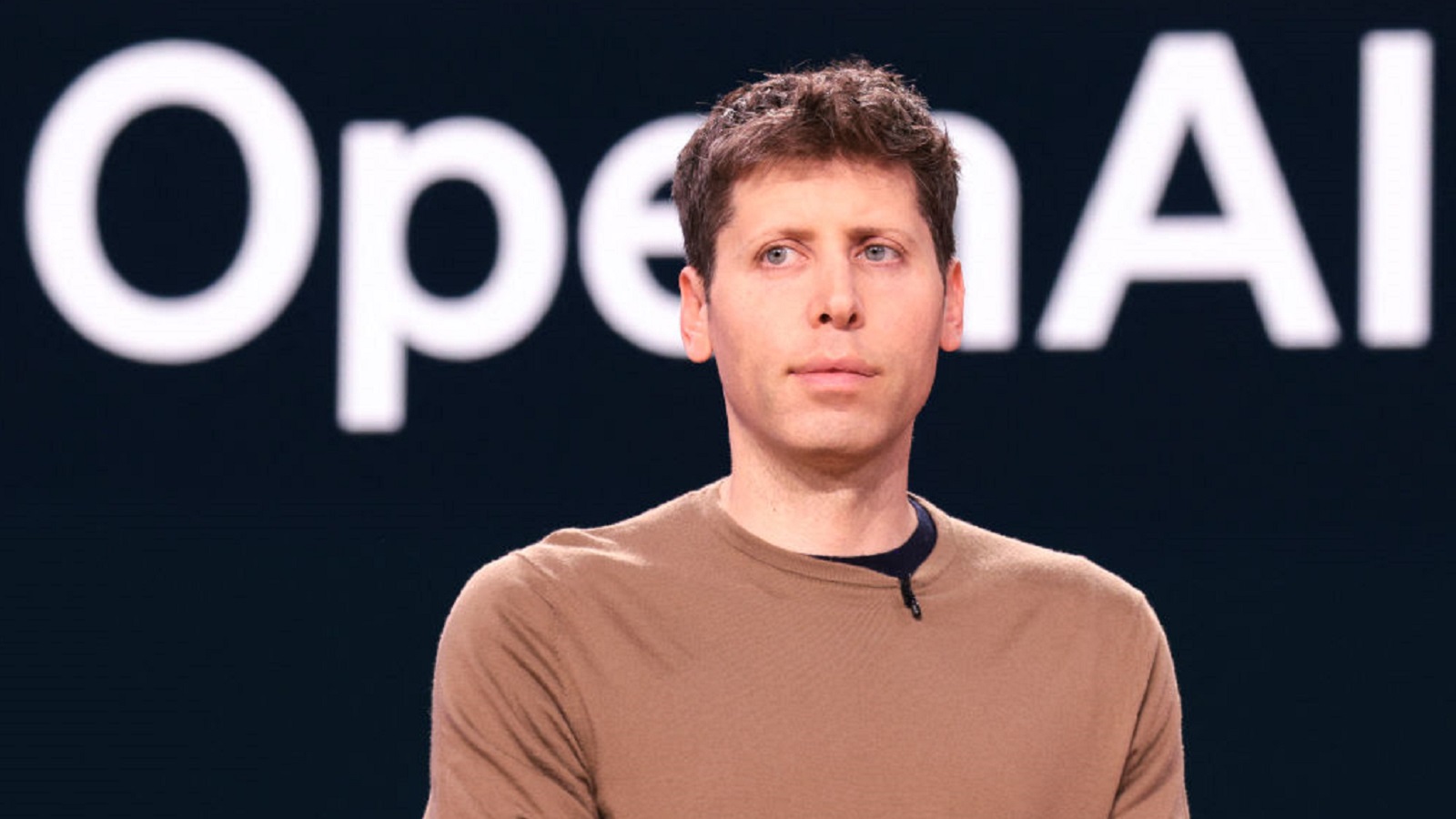
Sam Altman is expanding his identity verification project World into mainstream platforms like Zoom and Tinder, aiming to solve one of the biggest problems in the AI era—proving who is actually human online. The rollout centers around World ID, a digital identity system that uses biometric verification to confirm real users and distinguish them from bots, deepfakes, and AI-generated personas.
Proof of Human Becomes a New Internet Layer
The system requires users to verify themselves through a physical device known as the “Orb,” which scans a person’s eyes and face to generate a unique, encrypted identity tied to that individual. Once verified, users can carry that identity across platforms, allowing apps to confirm they are interacting with a real human rather than an AI agent. This shift reflects a growing concern across the tech industry. As AI becomes more advanced, traditional verification methods like passwords, CAPTCHAs, and even facial recognition are becoming less reliable.
Tinder and Zoom Become Early Testing Grounds
The integration is already being rolled out across major platforms. On Tinder, users can display a “verified human” badge after completing the World ID process, helping reduce fake profiles and AI-generated accounts. On Zoom, the technology is being used to verify participants in meetings, adding a new layer of protection against deepfakes and impersonation. This positions World ID not just as a crypto project, but as a core identity layer for digital interaction.
AI Growth Is Forcing a New Kind of Security
The expansion comes at a time when AI-generated content is becoming nearly indistinguishable from real human behavior.
Companies are now facing a new challenge:
- AI agents can mimic human speech and behavior
- Deepfakes can replicate faces and voices
- Bots can interact at scale across platforms
World’s approach attempts to solve this by verifying the human at the source, rather than trying to detect AI after the fact.
Crypto and Identity Are Converging
While the project is rooted in blockchain, its focus is shifting toward identity rather than currency. World ID acts as a decentralized “proof of personhood” system, allowing users to authenticate themselves across apps without relying on centralized platforms. This positions the project at the intersection of AI, crypto, and digital identity, where the need for trust is becoming increasingly critical.
The Bigger Picture
The expansion of World ID into platforms like Tinder and Zoom signals a major shift in how the internet may function moving forward. As AI agents become more common, proving you are human could become a requirement rather than an option. What started as a controversial crypto experiment is now evolving into something much bigger—a foundational layer for trust in an AI-driven world.
- Trump-Linked Crypto Firm Partners With Spacecoin For Satellite DeFi
- Fake DeFiLlama App Drains Crypto Wallet Before Apple Finally Removes It From App Store
- Trump and AI Giants Sign Voluntary Safety Pact as Pressure Grows Over Rogue Agents
- Tesla’s Optimus Bot Makes a Scene at The Robotaxi Event, Robovan Revealed
- Web3 AI Smart Glasses by DreamSmart and Up Network to Offer Tokenized Incentives
- Zilliqa Halts Native Transactions After Discovering Critical Ledger Wallet Bug Dating Back to 2019