














































































































































































































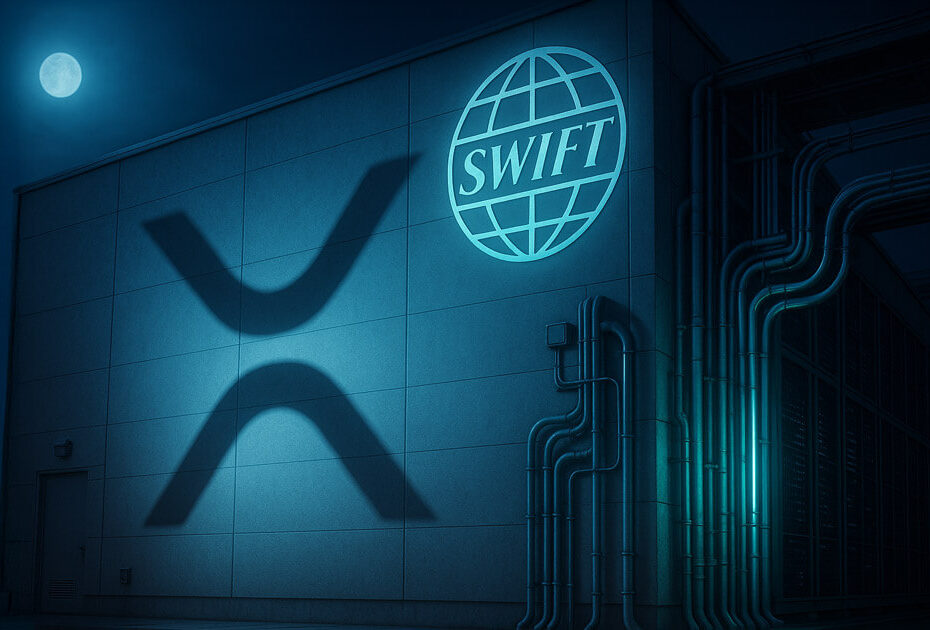
Ripple is making a major move into traditional finance by integrating SWIFT messaging capabilities into its platform—positioning itself as a bridge between global banking systems and blockchain-based assets like XRP and RLUSD.
Ripple Connects Directly to SWIFT Infrastructure
Through its treasury platform—enhanced by the acquisition of GTreasury—Ripple now supports SWIFT messaging tools, bank connectivity, and financial workflows used by institutions worldwide.
This includes:
- Access to SWIFT’s global messaging standards
- Integration with existing banking rails
- Compatibility with traditional treasury management systems
This allows financial institutions to use Ripple’s blockchain-based settlement layer without abandoning their existing infrastructure.
Bridging Old and New Financial Systems
Rather than replacing legacy systems, Ripple is positioning itself as a hybrid solution—combining the speed of blockchain with the reach of traditional banking networks.
Banks can:
- Initiate payments through familiar SWIFT messaging
- Settle transactions faster using blockchain rails
- Maintain compliance within existing financial frameworks
This approach lowers the barrier to adoption, making it easier for institutions to experiment with crypto-powered payments.
Why This Is a Strategic Move
SWIFT connects over 11,000 financial institutions globally, making it one of the most critical pieces of financial infrastructure. By integrating with it, Ripple gains access to a massive network of potential users without needing to rebuild the system from scratch.
This move could:
- Accelerate institutional adoption of blockchain payments
- Improve cross-border settlement speeds
- Reduce costs compared to traditional wire systems
It also positions Ripple as a direct competitor—not by replacing SWIFT, but by enhancing it.
Part of a Bigger Institutional Trend
This integration reflects a broader shift across finance, where blockchain companies are no longer trying to disrupt banks—but collaborate with them.
Similar trends include:
- Banks launching stablecoins and tokenized assets
- Payment companies integrating crypto rails
- Financial institutions adopting real-time settlement systems
The future of finance is increasingly looking like a fusion of TradFi and Web3 infrastructure.
Why This Matters
This move signals a major evolution in how blockchain is being adopted.
The bigger takeaway:
Crypto isn’t replacing the financial system—it’s upgrading it. By integrating with SWIFT, Ripple is showing that the fastest path to global adoption may not be disruption, but integration with the systems already running the world.
- JPMorgan’s Blockchain Arm Kinexys Tests Tokenized Carbon Credits With S&P Global
- Citi Plans to Tokenize Private Companies on SIX Digital Exchange
- Polymarket Is World’s Largest 2024 Presidential Election Prediction Pool
- MEV Bot ‘JaredFromSubway’ Front-Runs Vitalik Buterin’s $4 Token Swap With $1 Million Trading Frenzy
- Ethereum Layer-2 Zero Network Shuts Down After 18 Months as Crypto Infrastructure Consolidation Continues
- Solayer Launches First-Ever Yield-Bearing Stablecoin Backed by Treasury Bills on Solana