



































































































































































































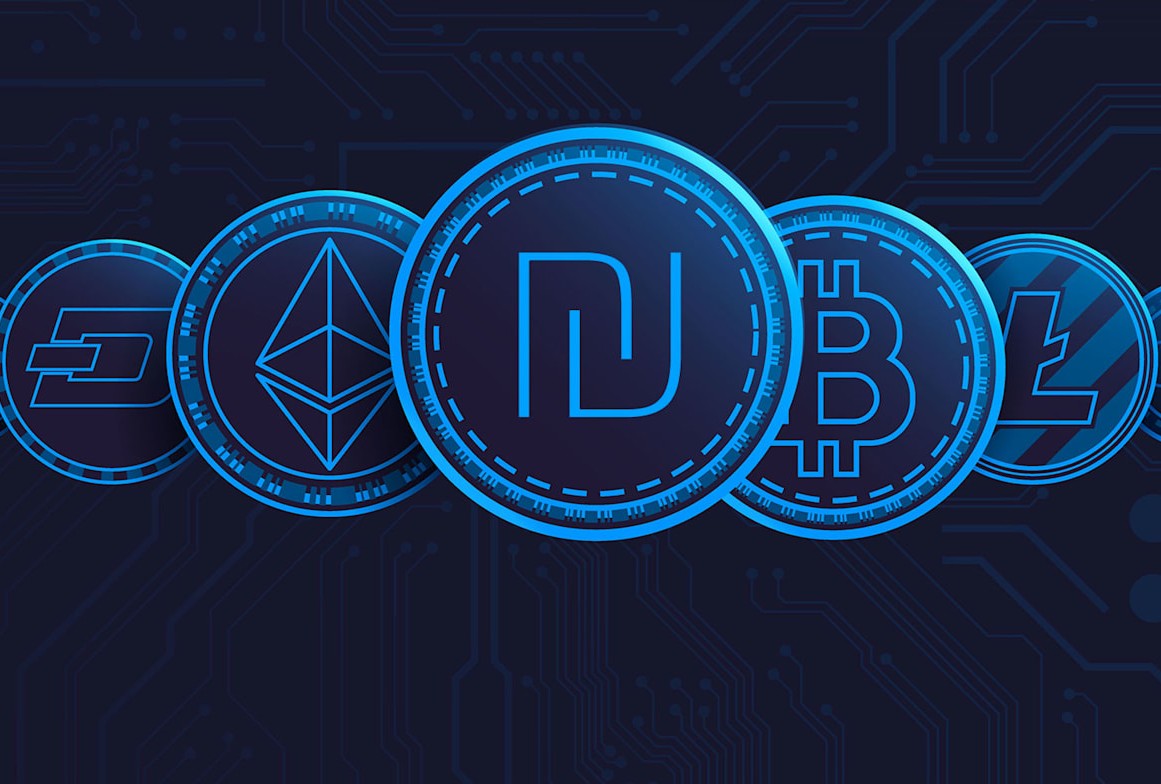
Israel has officially approved its first shekel-backed stablecoin, marking a major step toward integrating blockchain-based payments into its regulated financial system after a two-year regulatory pilot.
Regulated Stablecoin Launch Led by Bits of Gold
The approval was granted by the Israel Capital Market, Insurance and Savings Authority to Bits of Gold, a licensed crypto financial services provider. The new stablecoin, known as BILS, will be fully backed 1:1 by the Israeli shekel, with reserves held in segregated domestic accounts to ensure stability and redeemability. This makes BILS one of the first government-approved fiat-backed stablecoins in the region, signaling a shift toward regulated digital currency infrastructure.
Two-Year Pilot Focused on Risk and Compliance
Before receiving approval, the project underwent a two-year pilot program designed to test operational resilience, security, and regulatory compliance. The sandbox environment allowed regulators to evaluate key risks, including custody, cybersecurity, and financial stability, under controlled conditions.
The stablecoin will continue operating under strict oversight, with requirements including:
- Strong information security and cyber protection
- Ongoing regulatory reporting and compliance checks
- Robust risk management and business continuity plans
These safeguards reflect a “Wall Street-level” approach to stablecoin oversight.
Limited Rollout Signals Cautious Expansion
Rather than launching nationwide immediately, Israel is taking a measured approach. The BILS stablecoin will be introduced in a limited scope, with issuance volumes and usage tightly controlled during the initial phase. This phased rollout allows regulators to monitor real-world performance before expanding access, aligning with broader plans to introduce a comprehensive stablecoin regulatory framework.
Designed for Payments, FX, and On-Chain Finance
BILS is built to bridge traditional finance with blockchain infrastructure. Key use cases include:
- Real-time blockchain-based payments
- Foreign exchange between shekel and global stablecoins like USDC
- Smart contract execution and programmable finance
- Faster and cheaper cross-border transfers
This positions the stablecoin as both a domestic payments tool and a gateway to global digital markets.
The Bigger Picture
This move places Israel firmly in the global stablecoin race, where over 99% of the market is currently dominated by U.S. dollar-backed tokens. By launching a regulated, local-currency stablecoin, the country is creating an alternative to dollar dependence while modernizing its financial infrastructure. As governments worldwide explore digital currencies, Israel’s approach highlights a growing trend: combining innovation with strict regulatory oversight to bring stablecoins into the mainstream financial system.
- Sony HT-A7000 review: a next-gen Atmos soundbar that’s (almost) perfect for gaming
- Russia’s military-industrial powerhouse Rostec to launch ruble-backed token on Tron
- Bank of Israel Released a Paper on The Architecture of its Planned CBDC, The Digital Shekel
- Kenya Moves to Deploy Blockchain Surveillance Platform to Combat Crypto Crime
- Mercado Libre Shuts Down Mercado Coin, Ending Its Loyalty-Driven Crypto Experiment
- U.K. Regulators Launch Sandbox to Integrate Distributed Ledger Technology with Financial System