













































































































































































































235
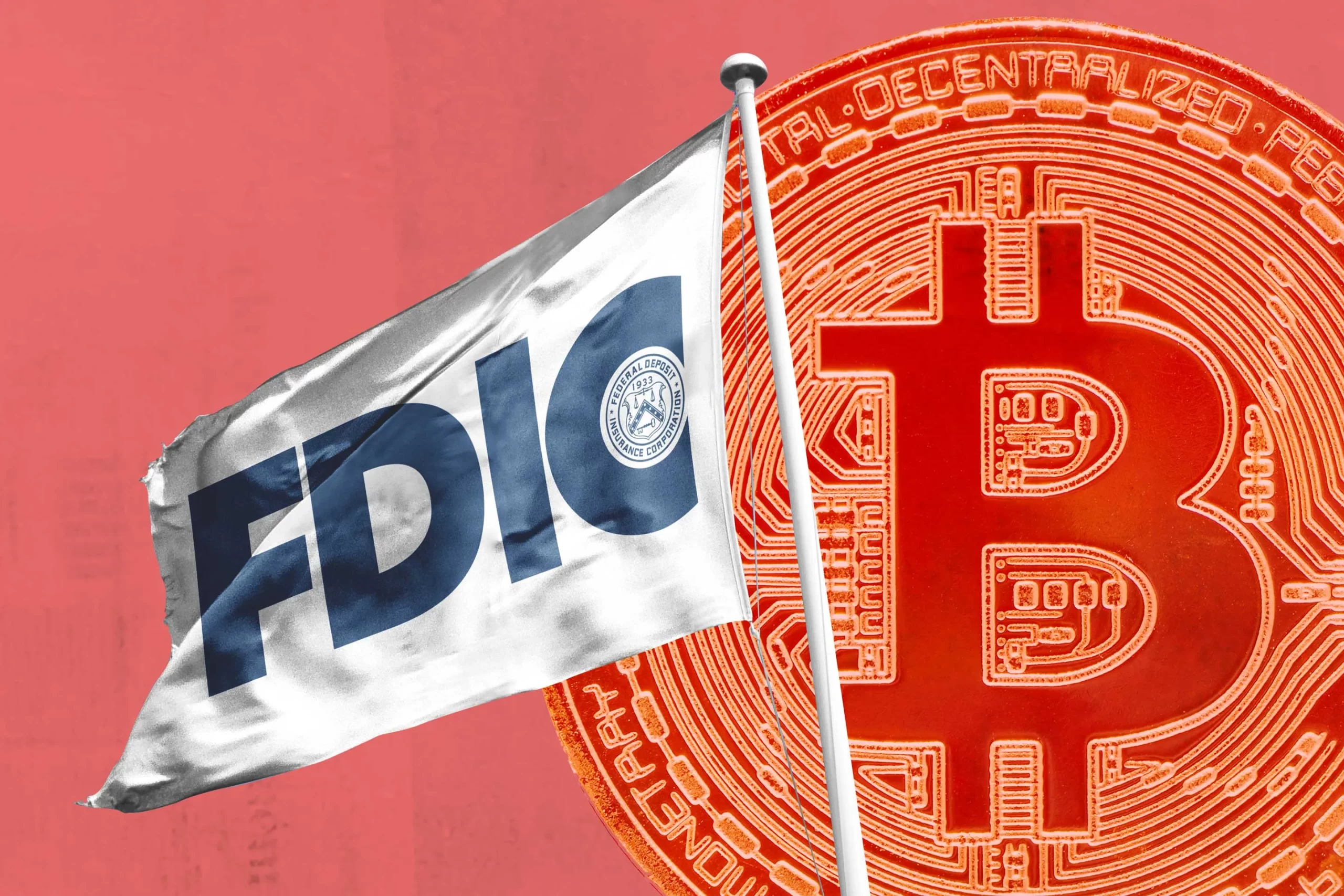
The Federal Deposit Insurance Corporation (FDIC) has released new guidance (FIL-7-2025) that permits banks under its supervision to conduct crypto-related business without advance approval. The change is a policy shift as it revokes the earlier guidance (FIL-16-2022) that mandated banks to obtain FDIC approval prior to dealing in cryptocurrencies. The FDIC explained that financial institutions can engage in crypto-related operations provided they manage risks appropriately. This covers digital assets and new blockchain technologies.
Acting FDIC Chairman Travis Hill said that the change moves away from the restrictive stance of the past three years and indicates a more open approach toward crypto innovation in banking. He also teased additional measures to clarify how banks can safely interact with crypto and blockchain-related companies.
The FDIC will continue working with the President’s Working Group on Digital Asset Markets and plans to issue more guidance to ensure banks understand the risks and regulations surrounding crypto-related activities.
Additionally, the FDIC will collaborate with other banking regulators to update outdated interagency documents related to digital assets. This policy shift is seen as a positive development for banks and financial institutions looking to explore cryptocurrency services. It reduces regulatory hurdles while still emphasizing risk management and compliance. The shift may prompt more banks to provide crypto-related products, including custody services, trading, and payments via blockchain technology.
You Might Be Interested In
- Bitcoin ATM Operator Coinhub Hit With Fines From California Regulator
- FDIC Releases Documents Involving Crypto-Related Activities
- Trump Organization to Launch a Cryptocurrency Initiative, Eric Trump Says
- The S.E.C. Closes Investigation into Ethereum 2.0, No Securities Charges Against ETH
- House Dems Introduce Bill to Ban Trump, Congress From Promoting, Launching Meme Coins
- U.S. App Store to Allow Apps to Skirt 30% Fee on NFT, Crypto Sales Following Apple’s Legal Defeat