





















































































































































































































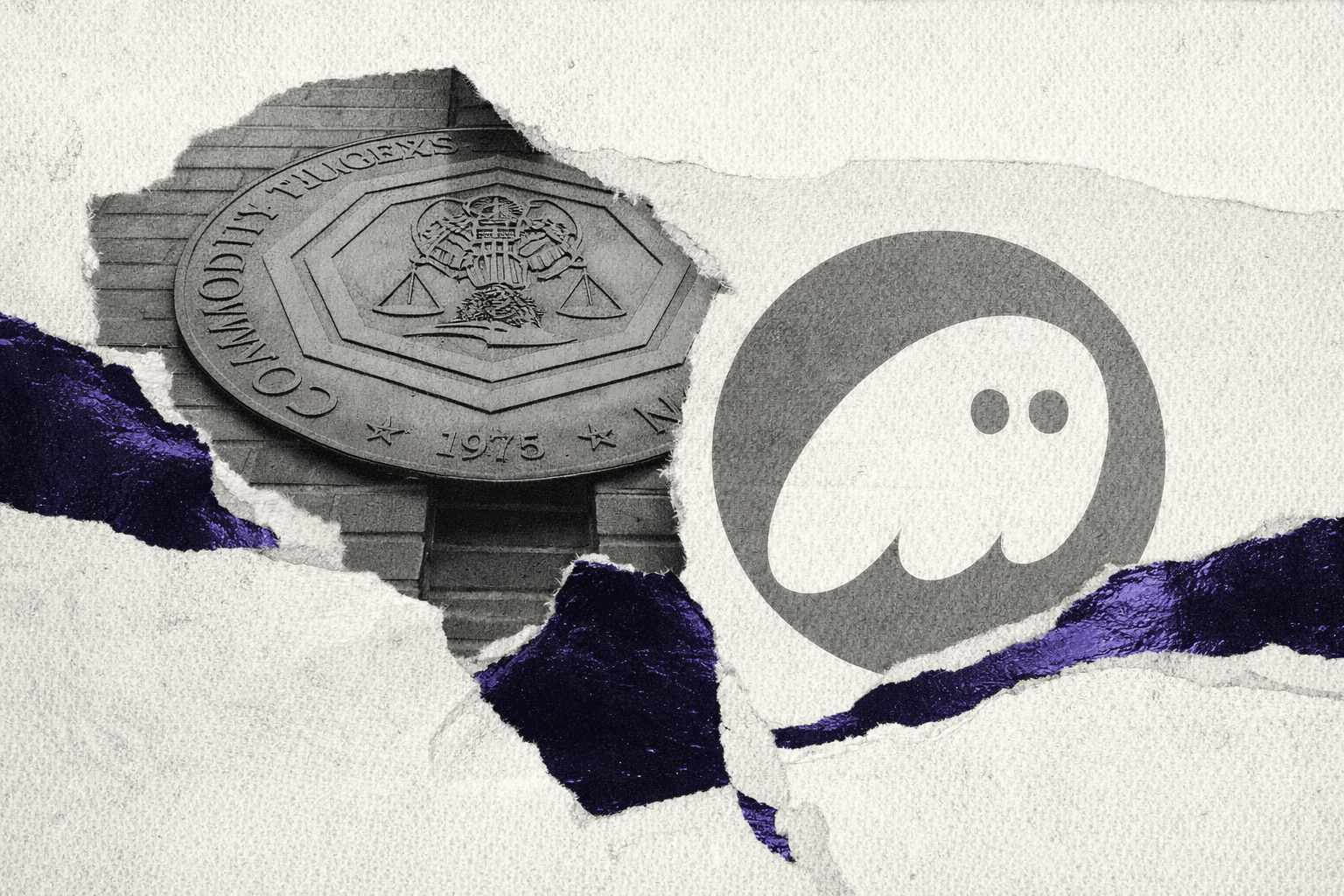
The U.S. Commodity Futures Trading Commission (CFTC) is moving closer to formally protecting developers of self-custodial crypto wallets from being classified as brokers—a major shift that could reshape how decentralized finance products operate in the United States. The effort follows the agency’s recent no-action letter issued to Phantom, which many in the industry view as one of the most important crypto regulatory developments of 2026.
What the Phantom Decision Actually Did
In March 2026, the CFTC’s Market Participants Division issued a formal no-action position stating it would not recommend enforcement against Phantom for failing to register as an introducing broker. The decision applied specifically to Phantom’s proposed role in facilitating access to:
- Perpetual futures
- Event contracts
- Other CFTC-regulated derivatives markets
Through registered trading venues and intermediaries. The key distinction was that Phantom:
- Does not custody user funds
- Does not execute trades on behalf of users
- Does not generate buy/sell signals
- Simply provides software interfaces for users to interact with markets themselves
That framework became the foundation for broader industry arguments that wallet developers should be treated as software providers—not financial intermediaries.
CFTC Now Considering Broader Protections
The latest reports suggest the CFTC is now exploring ways to transform the Phantom relief into more permanent regulatory guidance or rulemaking that would apply across the entire industry—not just to Phantom itself.
This is important because right now:
- Phantom has individualized protection
- Other wallet developers technically do not
Companies like Consensys have already urged regulators to extend similar treatment to platforms like MetaMask and other non-custodial interfaces. The industry’s core argument is straightforward. If software developers never touch customer funds and only provide interfaces, they should not be regulated like brokers or custodians.
A Major Shift in U.S. Crypto Regulation
The Phantom letter also signals a broader philosophical change happening inside the CFTC. Under previous regulatory approaches, agencies often argued that crypto interfaces facilitating trading activity could still fall under broker registration requirements. The new approach appears far more open to recognizing distinctions between:
- Custodial intermediaries
- Passive software infrastructure
- Self-custody applications
Legal analysts say this could become one of the most important precedents for:
- DeFi wallets
- On-chain trading interfaces
- Prediction market platforms
- Perpetual futures infrastructure
especially as decentralized trading continues expanding rapidly.
Conditions Still Apply
Importantly, the relief is not unlimited.
The CFTC required Phantom to:
- Accept CFTC jurisdiction
- Follow disclosure and compliance obligations
- Avoid misleading marketing
- Maintain records and operational safeguards
The agency also emphasized that wallet providers cannot:
- Hold custody of assets
- Route trades with discretion
- Provide trading signals or investment advice
In other words, the CFTC appears willing to protect software developers—but only if they remain clearly separated from traditional brokerage functions.
Why This Matters for DeFi
This development could become foundational for the future of decentralized finance in the U.S. If wallet developers were forced to register as brokers, many DeFi products would likely become legally and operationally unworkable. But if software interfaces receive formal protection, it opens the door for:
- Self-custody trading
- Decentralized derivatives access
- On-chain prediction markets
- Wallet-native financial applications
to continue growing within a clearer regulatory framework.
The Bigger Picture
The CFTC’s evolving stance reflects a deeper battle over how crypto should be regulated:
Should software itself be treated like a financial institution? The Phantom decision—and the push to formalize broader protections—suggests regulators may finally be acknowledging a core principle of Web3. Writing software is not the same as custodying customer money. If these protections become formal policy, it could mark one of the most significant regulatory wins for self-custody and decentralized finance in the United States.
- U.S. SEC Staff Clarifies That Some Crypto Stablecoins Aren’t Securities
- Robinhood Crypto Says SEC Has ‘Weak’ Case in Response to Wells Notice
- XRP Ledger Developer Kit Compromised With Backdoor to Steal Wallet Private Keys
- Bitcoin and Dogecoin Mining Don’t Violate Securities Law as SEC Gives OK to Proof-of-Work
- Ethereum Developer Joe Schiarizzi Launches Congressional Run in Virginia With Anti-Trump, Pro-Crypto Reform Platfor
- Elizabeth Warren Blasts SEC Over Justin Sun Case, Warns Crypto Bills Must Address “Trump’s Crypto Corruption”