











































































































































































































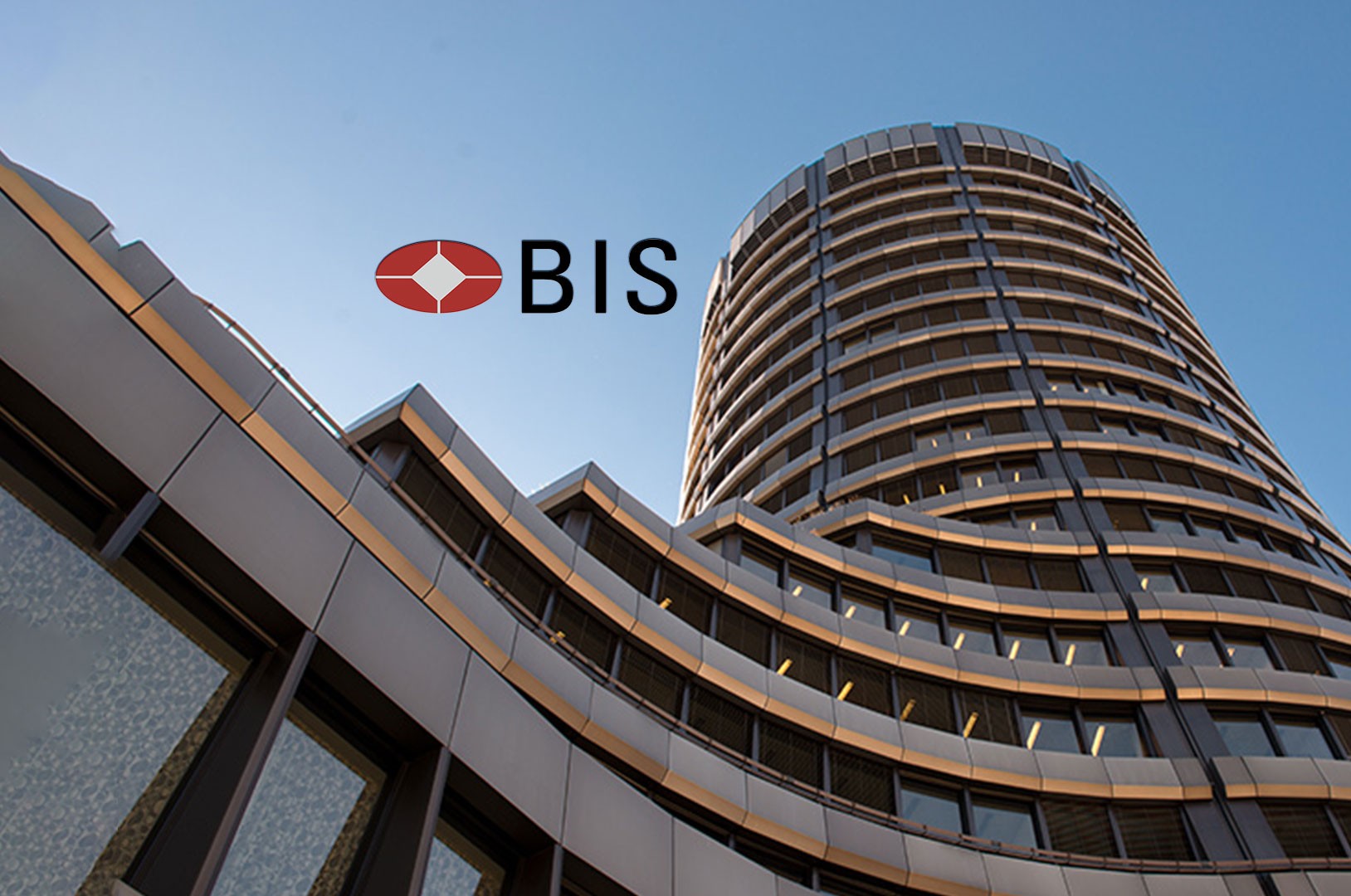
Stablecoins may be one of crypto’s fastest-growing use cases, but the head of the Bank for International Settlements says they still aren’t ready to become everyday money. BIS General Manager Pablo Hernández de Cos argues that tokenized bank deposits offer a stronger path for bringing blockchain technology into mainstream payments without disrupting the foundations of the existing financial system.
Speaking at the Federal Reserve’s Jackson Hole Economic Policy Symposium on August 28, de Cos said stablecoins and tokenized deposits could coexist, but banks’ tokenized deposits should handle most everyday and wholesale payments while stablecoins remain focused on specialized applications such as DeFi.
BIS Says Stablecoins Still Don’t Work Like Regular Money
De Cos’s biggest concern is what the BIS calls the “singleness” of money.
If someone has $100 in one bank and another person has $100 at another bank, both balances are treated as equivalent dollars.
Stablecoins don’t always work that way.
For example, someone holding USDT who needs to pay someone accepting only USDC may have to sell one token and purchase the other. Market prices can deviate from $1, particularly during periods of stress, meaning the exchange isn’t guaranteed to occur perfectly at par.
The BIS identified several obstacles preventing stablecoins from becoming universal payment infrastructure:
- Stablecoins can temporarily lose their $1 peg
- Different blockchains and issuers aren’t fully interoperable
- Cross-chain bridges can introduce additional risks
- Anti-money-laundering controls can be difficult to enforce consistently across networks
- Issuers lack the same liquidity backstops supporting traditional banking systems
De Cos said these issues would need to be addressed before stablecoins could credibly function as money at scale.
Tokenized Bank Deposits Could Bring Blockchain Into Banking
Rather than rejecting blockchain technology, the BIS wants banks to use more of it.
Tokenized deposits essentially represent ordinary commercial bank deposits on programmable blockchain-style infrastructure.
Unlike privately issued stablecoins, the money remains a liability of a regulated bank and stays connected to the existing system of central bank settlement.
That could potentially combine blockchain features such as programmability and faster settlement with the regulatory protections and liquidity infrastructure already supporting banks.
According to de Cos, tokenized deposits provide a more direct route to using tokenization while maintaining the foundations of today’s monetary system.
The BIS is already experimenting with the concept through Project Agorá, which brings together eight central banks and more than 40 regulated financial institutions to explore tokenized commercial-bank money and cross-border wholesale payments.
Stablecoins Could Pull Money Out of Banks
Another major BIS concern is what happens if consumers begin moving large amounts of money from traditional bank accounts into stablecoins.
Banks rely heavily on customer deposits to fund loans.
If billions or eventually trillions of dollars shift into dollar-backed stablecoins, banks could lose some of that inexpensive funding. De Cos warned that banks might then face higher funding costs, potentially resulting in higher borrowing rates for households and businesses.
Stablecoins could simultaneously benefit governments.
Because major stablecoin issuers hold large amounts of reserves in U.S. Treasuries and other highly liquid assets, growing stablecoin adoption could create additional demand for government debt and potentially reduce sovereign borrowing costs.
That creates an unusual tradeoff:
More stablecoins could increase demand for government debt while potentially pulling deposits away from commercial banks.
The U.S. Sees Stablecoins Very Differently
The BIS position contrasts sharply with the direction coming from Washington.
U.S. Treasury Secretary Scott Bessent has argued that dollar-backed stablecoins could strengthen the dollar’s position as the world’s dominant reserve currency while generating significant additional demand for U.S. Treasuries.
But that’s exactly what worries some countries outside the United States.
De Cos warned that widespread adoption of dollar stablecoins could accelerate digital dollarization, particularly in emerging economies.
Consumers could increasingly choose USDC, USDT or other dollar-backed tokens instead of their domestic currencies, potentially weakening local governments’ control over monetary policy and capital flows.
BIS Isn’t Saying Stablecoins Should Disappear
The BIS isn’t calling for stablecoins to be eliminated.
Instead, de Cos envisions a financial system where stablecoins and tokenized deposits serve different purposes.
Tokenized bank deposits could handle everyday purchases and wholesale financial settlement, while stablecoins could remain useful for specialized applications such as decentralized lending and other onchain markets.
Tokenized deposits aren’t ready for global scale either. De Cos acknowledged they still face major challenges involving interoperability, governance, cybersecurity, legal clarity and settlement finality.
The disagreement is therefore becoming less about whether finance will move onchain and more about what kind of digital money will dominate once it does.
Crypto companies are betting on stablecoins.
The BIS is betting that banks can adopt the same technology while keeping deposits inside the regulated banking system.
The blockchain revolution may be coming either way. The bigger battle is whether tomorrow’s digital dollars come from stablecoin issuers or the banks people already use today.
- Argentina Anti-Corruption Office Clears Javier Milei in Libra Crypto Promotion Scandal
- Gemini Slashes Jobs and Exits Europe, UK and Australia to Streamline Operations
- Ethiopia Harnesses Low-Cost Energy For Bitcoin Mining From Renewable Sources
- Brazil Becomes First Country to Launch Spot XRP ETF
- President Nayib Bukele and Michael Saylor Meet and Greet
- Human Rights Foundation Awards Nearly $1.3 Million in Bitcoin to Projects