








































































































































































































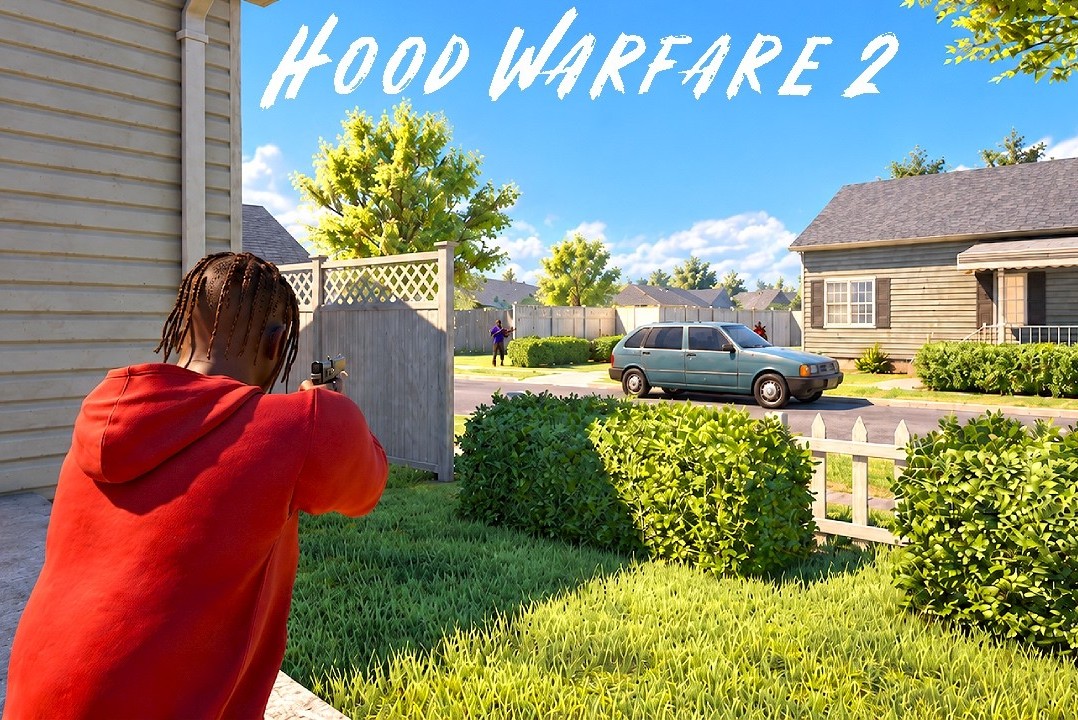
An independently developed video game called Hood Warfare 2 is gaining widespread attention after launching on Steam on October 8. Developed by Trapstar Games, the $5.99 multiplayer shooter uses Unreal Engine 5 to recreate Call of Duty-style combat in a fictionalized version of Chicago, complete with rival gangs, neighborhood turf battles and exaggerated street culture. The game reportedly attracted more than 11,700 concurrent players within a 24-hour period, but its sudden popularity has also sparked criticism over racial stereotypes and the portrayal of Black communities.
Hood Warfare 2 Becomes an Unexpected Steam Hit
Hood Warfare 2 arrived on Steam with relatively little mainstream promotion but quickly gained traction through social media, gaming streams and online discussions.
The game is a sequel to the original Hood Warfare, released in 2023, and introduces improved graphics, additional maps and expanded weapon customization.
Its low price has helped attract curious gamers looking for an inexpensive multiplayer experience.
According to Complex, the game recorded a 24-hour peak of 11,742 concurrent players during its early surge in popularity.
Although that figure remains well below major titles such as Call of Duty, it represents a notable achievement for a relatively unknown independent developer.
Chicago Gang Warfare Meets Call of Duty Gameplay
The game takes place in a fictionalized Chicago environment where players compete for territory and eliminate opposing teams.
Built with Unreal Engine 5, the shooter includes customizable weapons, perks, equipment and multiple multiplayer maps.
Players can compete online or create matches against computer-controlled opponents.
The six game modes include:
Turf War: Capture and control territory.
GangBang: Traditional team deathmatch.
Chaos: Free-for-all combat.
Hit A Lick: Capture-the-flag-style gameplay.
Destroy The Block: Bomb planting and defusal.
Chain Snatch: Collect items dropped by eliminated opponents.
Maps include downtown Chicago, suburban neighborhoods, an area called The Trenches and a shopping mall.
The gameplay borrows familiar mechanics from mainstream first-person shooters while incorporating slang and imagery associated with street culture.
Viral Success Sparks Debate Over Racial Stereotypes
Despite its popularity, Hood Warfare 2 has received criticism for its depiction of Black communities and gang violence.
Some social media users argue that the game relies on exaggerated stereotypes and presents Chicago neighborhoods primarily through crime, violence and gang activity.
Others view it as an intentionally absurd parody of traditional military shooters, arguing that its humor should not be interpreted as a realistic portrayal of Chicago.
The controversy has raised broader questions about representation in video games and whether exaggerated cultural imagery reinforces harmful stereotypes.
The developer’s Steam description states that the game is fictional entertainment and does not promote or condone real-world gang violence.
Who Is Behind Trapstar Games?
Trapstar Games is credited as the developer and publisher of Hood Warfare 2.
However, relatively little public information is available about the people behind the studio.
Complex reported that the company’s website provides limited background information and does not clearly identify its developers or their location.
The lack of publicly available information has added to online speculation about the game’s origins.
Nevertheless, there is no verified evidence establishing the identities or motivations of the individuals behind the project.
Independent Gaming Finds an Audience Through Social Media
Hood Warfare 2 demonstrates how smaller game developers can attract significant attention without the marketing budgets of major publishers.
Rather than competing through massive advertising campaigns, independent titles can build momentum through:
Viral gameplay clips shared on social platforms.
Streamers and gaming influencers introducing titles to their audiences.
Low purchase prices that encourage experimentation.
Unusual concepts that generate discussion and controversy.
The game’s success also illustrates how modern development tools such as Unreal Engine 5 have made sophisticated graphics and multiplayer experiences more accessible to smaller studios.
However, viral popularity does not necessarily guarantee long-term player retention or commercial success.
Hood Warfare 2 Highlights the Power and Risks of Viral Gaming
The sudden rise of Hood Warfare 2 shows how an inexpensive independent game can compete for attention in an industry dominated by major franchises.
Its familiar first-person shooter mechanics, exaggerated humor and Chicago-inspired setting have helped it attract thousands of players.
At the same time, the controversy surrounding its depiction of Black communities demonstrates that viral entertainment can generate criticism alongside commercial interest.
- France Arrests 5 in Kidnapping Case of Crypto Tycoon’s Father
- Fold Launches Bitcoin Bonus Program Letting Employers Pay Workers in BTC With Steak ‘n Shake Leading Adoption
- Zerebro Founder Is Back With New AI Token After Faking Death
- Vice President JD Vance Will Speak at Bitcoin 2025 Alongside Trump’s Sons
- Too Early? ‘Networked’ Fashion Label 9dcc Is Shutting Down
- Two California Teens Drive 600 Miles in Attempted $66M Bitcoin Robbery Plot