






















































































































































































































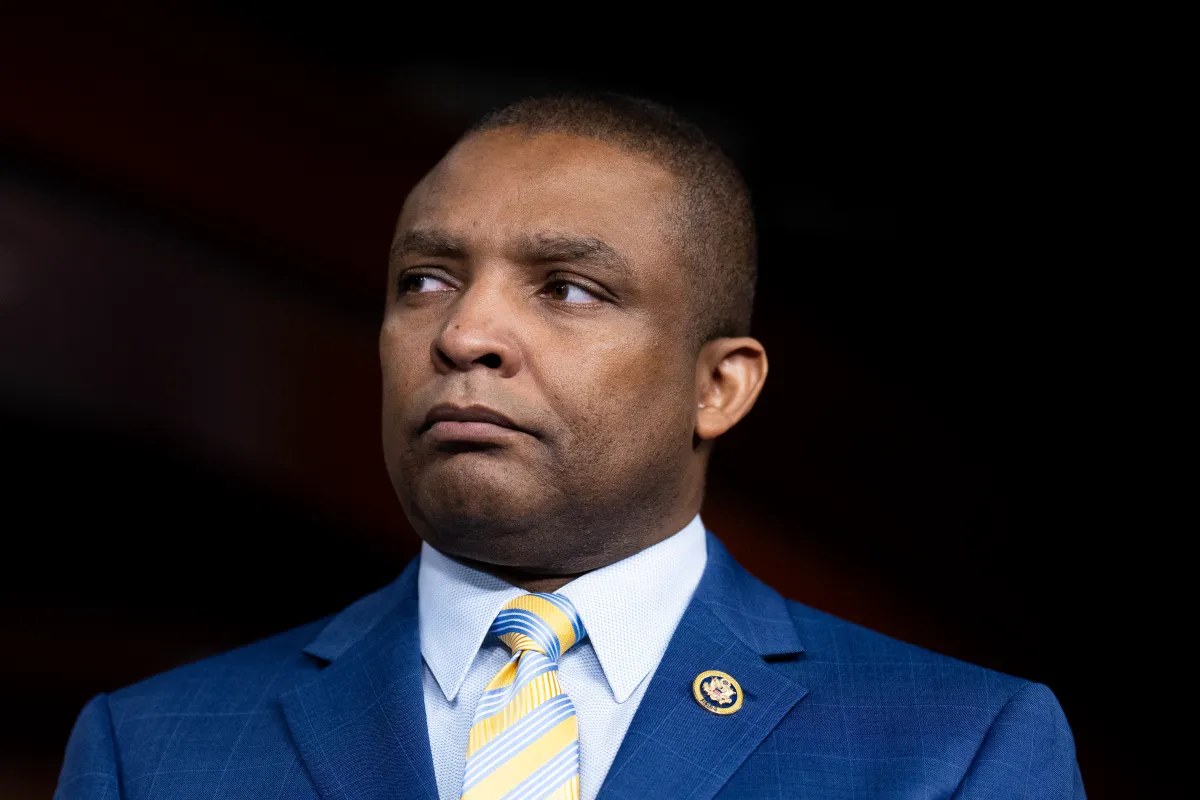
U.S. Representative Don Davis (D-North Carolina) has introduced the No Betting on Your Own Race Act, legislation that would prohibit federal political candidates and certain family members from trading prediction-market contracts tied to their own elections. The proposal targets potential conflicts of interest and insider trading as platforms such as Kalshi and Polymarket continue expanding into political event markets ahead of the November midterm elections.
New Bill Targets Election Prediction Markets
The legislation would prohibit federal candidates from buying, selling or holding prediction-market contracts tied to the outcomes of their own campaigns.
The restrictions would extend beyond candidates themselves to include:
Spouses and dependent children
Authorized campaign committees
Individuals trading indirectly on a candidate’s behalf
Contracts involving election victories, vote percentages, margins and whether candidates remain in a race
The proposal would impose a minimum civil penalty of $10,000 per violation or three times the net financial gain, whichever is greater.
The Federal Election Commission (FEC) would oversee enforcement and maintain a publicly accessible list of federal candidates, updated at least weekly.
Kalshi Previously Penalized Congressional Candidates
The legislation follows several incidents involving political candidates trading contracts related to their own elections.
In April, Kalshi penalized three congressional candidates for trading on their races and suspended them from the platform for five years.
More recently, Laurie Buckhout, the Republican candidate challenging Davis in North Carolina’s 1st Congressional District, received a three-year suspension and approximately $2,590 penalty from Kalshi over contracts involving her own election.
Buckhout acknowledged the trades and described them as a mistake.
Davis has argued that candidates should face restrictions similar to those preventing professional athletes from betting on their own games.
Prediction Markets Face Increasing Congressional Scrutiny
The bill arrives as federal lawmakers examine how election-related prediction markets should be regulated.
Earlier this year, Representative Bryan Steil (R-Wisconsin) introduced separate legislation restricting congressional trading involving government actions and political outcomes.
Meanwhile, Kalshi and Polymarket continue offering contracts tied to political events, including congressional elections.
Supporters of prediction markets argue that event contracts provide useful information about public expectations and allow participants to express views through market prices.
Critics raise concerns about conflicts of interest, access to nonpublic information and the possibility of individuals financially benefiting from events they can influence.
Davis’s proposal focuses specifically on candidates trading contracts connected to their own campaigns rather than banning election prediction markets for the general public.
Platforms Would Receive Certain Legal Protections
The legislation also includes provisions intended to help prediction-market operators enforce the restrictions.
Platforms could restrict accounts, cancel prohibited trades and report suspected violations to federal authorities without facing liability for certain good-faith enforcement actions.
These protections could encourage exchanges to identify prohibited trading activity before contracts are settled.
However, the legislation has only been introduced and has not become law.
With Congress not scheduled to resume regular legislative business until after the November midterm elections, the proposed restrictions are not expected to take effect before this year’s elections.
Election Prediction Markets Enter a New Regulatory Debate
As prediction markets gain mainstream attention, lawmakers are increasingly examining whether existing financial and election laws adequately address trading by political candidates and government officials.
The No Betting on Your Own Race Act would establish a specific federal restriction preventing candidates and their immediate families from financially participating in markets tied to their own electoral outcomes.
The larger question is how Congress will balance the growth of federally regulated prediction markets with safeguards designed to prevent conflicts of interest and misuse of political information.
- SEC Opens Comments on Options Trading for BlackRock & Cboe Spot Bitcoin ETFs
- Bessent Pushes for Summer Passage of CLARITY Act as U.S. Bitcoin Reserve Moves Forward
- Coinbase Gains Major Court Win in SEC Legal Battle Over Securities Law
- Buy Now, Pay Later Giant Klarna Reveals Stablecoin Plans
- U.S. Policy Proposal Calls on Treasury to Issue $2T in Bitcoin-Enhanced Bonds to Offset Debt, Fund Strategic Reserve
- New Yorkers Can Now Stake Ethereum, Solana, Cosmos and More on Coinbase