



































































































































































































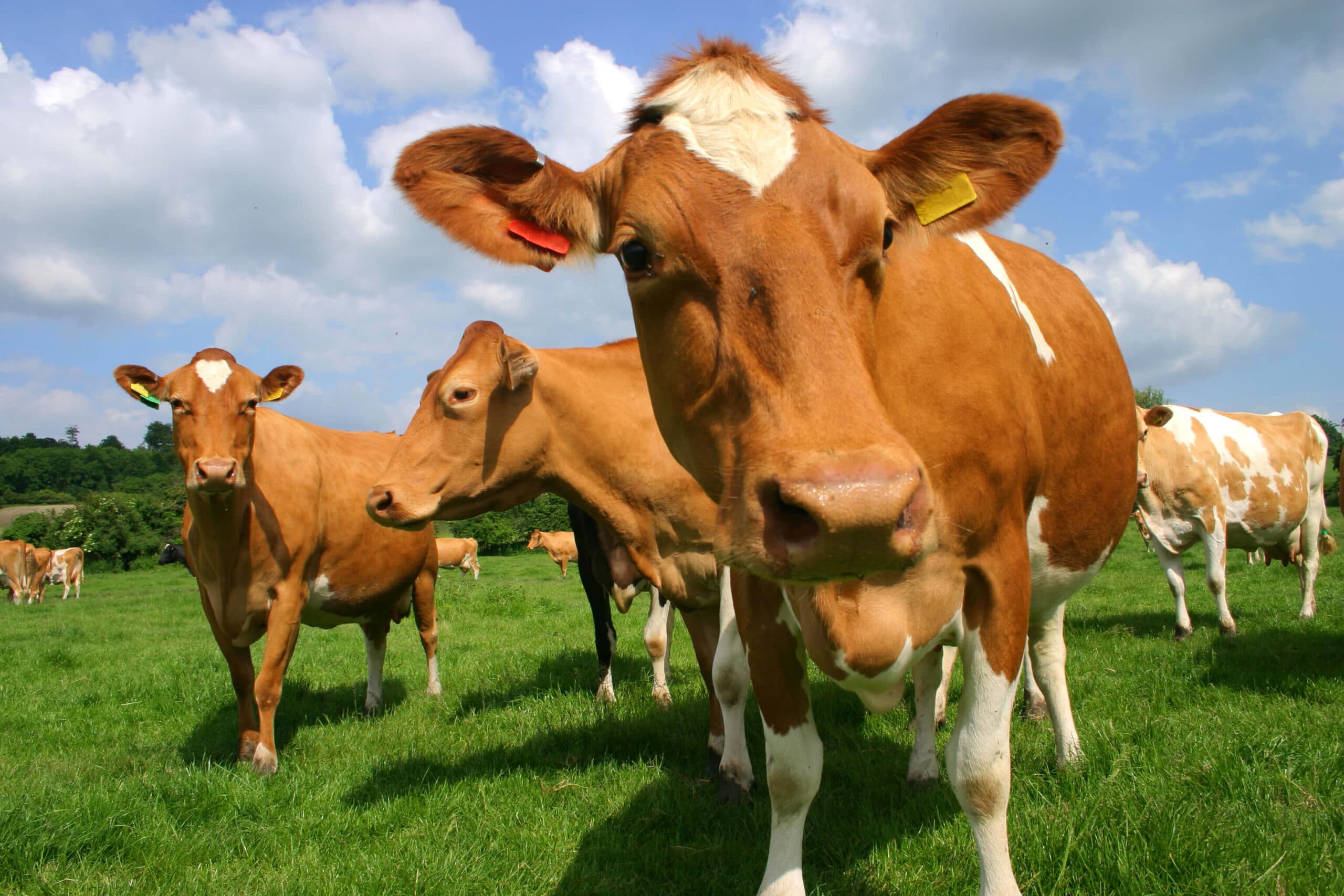
A group of dairy farmers in Paraná, Brazil has become the first in the world to tokenize livestock to secure financing, demonstrating how blockchain technology can expand access to credit for industries traditionally underserved by banks. By converting 10 dairy cows into tokenized real-world assets (RWAs) listed on Brazil’s B3 stock exchange, the farmers secured nearly $20,000 in loans backed by their cattle rather than relying on conventional bank lending. The initiative was developed by Brazilian agtech company Cowmed, which believes the model could unlock millions of dollars in new financing for agricultural producers.
How Tokenized Cows Become Loan Collateral
Instead of using farmland or expensive equipment as collateral, each dairy cow is transformed into a verified digital asset on the blockchain.
Every animal is assigned a unique digital identity linked to an AI-powered Smarty Collar that continuously monitors its health, behavior, and location. This real-time data is encrypted and tied directly to the financing agreement, allowing lenders to verify that the collateral remains healthy and legitimate throughout the life of the loan.
This approach allows livestock to function as movable collateral, opening new financing opportunities for farmers who may not own enough traditional assets to qualify for bank loans.
AI Tracking Prevents Fraud
One of the biggest challenges with livestock-backed lending is proving ownership and preventing fraud.
Cowmed’s smart collars continuously transmit data that helps ensure:
- Each cow can only be pledged as collateral once.
- Lenders can verify the animal remains alive and healthy.
- Farmers can replace an animal if one dies without jeopardizing the loan agreement.
By combining blockchain with artificial intelligence, the platform removes much of the manual inspection process that has historically made livestock financing expensive and difficult to scale.
Helping Farmers Bypass Tight Bank Lending Rules
The pilot comes at a time when many Brazilian farmers are struggling to obtain financing due to stricter lending standards imposed by banks.
Rather than waiting for traditional financial institutions to approve loans, tokenizing livestock creates an alternative funding mechanism where real-world assets can be digitally registered and used to secure credit more efficiently.
The initial pilot generated nearly $20,000 in financing, proving that blockchain can provide access to capital even when conventional lending becomes more restrictive.
A Much Larger Opportunity for Agriculture
The current project represents only a small fraction of Cowmed’s operations.
Today, the company monitors approximately:
- 100,000 dairy cows
- Across more than 1,000 farms
- Representing over $395 million in livestock value
Cowmed estimates that if just 20% of its monitored network adopts tokenized financing, the agricultural sector could unlock approximately $77.6 million in new credit through blockchain-backed lending.
Real-World Assets Continue Expanding Beyond Finance
While tokenization has largely focused on assets like real estate, private credit, Treasury bills, and company shares, this project demonstrates that almost any valuable physical asset can become part of the digital economy.
Livestock joins a growing list of tokenized real-world assets that includes:
- Real estate
- Government bonds
- Private credit
- Fine art
- Precious metals
- Commodities
- Carbon credits
- Agricultural assets
The concept allows traditionally illiquid assets to become easier to finance, trade, and verify using blockchain technology.
- Czech National Bank Considers Shifting Up to 5% of Reserves into Bitcoin
- Stablecoins Drive 90% of Brazil’s Crypto Volume, Tax Authority Data Shows
- Bybit and Tether Join Forces to Accelerate Crypto a Adoption in Brazil
- Japanese Bill Plans to Expand Stablecoin Assets, Other Crypto Changes
- Ride-Hailing App TADA Partners With TON To Launch Blockchain-Powered Taxi Service
- TON Offers UAE 10-Year Golden Visa for $100K in Staked Toncoin