








































































































































































































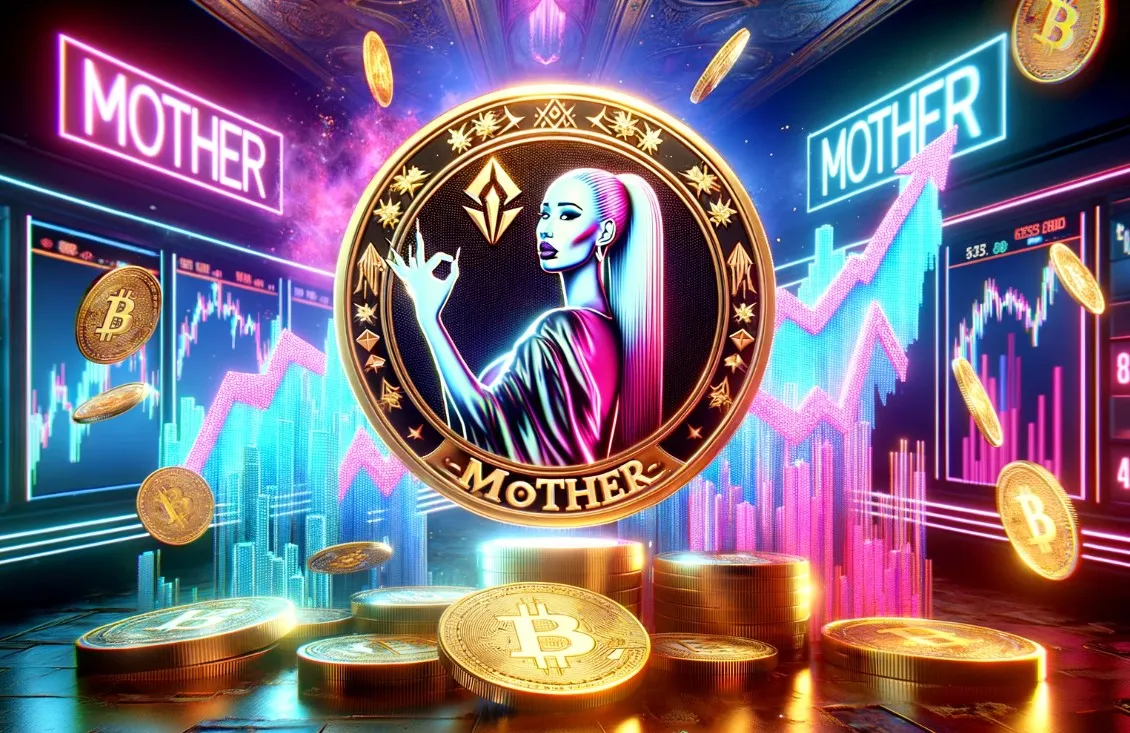
Rapper and crypto personality Iggy Azalea is facing a federal class action lawsuit tied to her Solana-based meme coin MOTHER, with investors alleging they were misled by promises of real-world utility and ecosystem development that never fully materialized. The lawsuit marks one of the biggest celebrity memecoin legal battles yet—and could become a major precedent for how celebrity-backed crypto projects are regulated moving forward.
Investors Say MOTHER Was Marketed as More Than a Meme Coin
The complaint, filed in the Southern District of New York by law firm Burwick Law, argues that MOTHER was promoted as a utility-backed ecosystem rather than just a speculative meme token. According to the lawsuit, Azalea repeatedly connected MOTHER to several planned businesses and integrations, including:
- A telecom company called Unreal Mobile
- A casino and gaming platform called Motherland
- Merchandise and luxury marketplace integrations
- Future payment functionality for phones and monthly cell plans
Plaintiffs claim those promised integrations either:
- Never launched
- Never meaningfully used the token
- Or relied on stablecoins instead of MOTHER itself.
The lawsuit specifically argues that buyers were led to believe the token had long-term commercial utility when, according to the complaint, it functioned primarily as a speculative meme asset.
MOTHER Fell More Than 99% From Its Peak
At launch, MOTHER became one of the most talked-about celebrity meme coins on Solana, briefly reaching a market capitalization of over $200 million. The token surged during the height of the 2025 celebrity memecoin frenzy, where musicians, athletes, and influencers rushed into crypto launches.
But according to multiple reports:
- MOTHER has now fallen roughly 99–99.5% from its all-time high
- Investors claim the ecosystem failed to deliver sustainable utility
- Trading activity and sentiment collapsed as momentum faded.
The lawsuit argues the losses were not simply caused by volatility, but by allegedly misleading promotional claims surrounding the token’s utility and development roadmap.
The Celebrity Memecoin Era Is Now Facing Legal Consequences
MOTHER originally launched during the explosive celebrity memecoin wave tied to controversial promoter Sahil Arora, who became infamous for launching or facilitating multiple celebrity token projects across Solana.
That era saw:
- Massive speculative trading
- Rapid token launches through platforms like Pump.fun
- Frequent allegations of insider dumping and manipulation
- Tokens collapsing shortly after launch.
Researchers studying Solana meme coins have since found that the ecosystem became heavily associated with:
- High-risk launches
- Coordinated wallet activity
- Extremely short token lifecycles
- Rug-pull behavior patterns.
The MOTHER lawsuit now brings that broader memecoin culture into a formal legal arena.
Why This Case Could Matter Beyond Iggy Azalea
Legal experts believe this case could become important because it focuses less on whether meme coins are risky—and more on whether promotional claims crossed legal lines.
The plaintiffs are arguing that:
- Specific business integrations were marketed as active utility
- Buyers relied on those representations
- The token’s value was tied directly to those promises.
If courts side with investors, celebrity crypto promotions could face much stricter scrutiny moving forward.
This comes at a time when regulators are already increasing pressure on:
- Celebrity endorsements
- Influencer crypto promotions
- Meme coin ecosystems
- Token marketing practices.
The Bigger Picture
The rise and collapse of MOTHER reflects a larger reality about the memecoin cycle:
attention moves fast—but utility is harder to sustain.
During the peak of the celebrity token craze, massive valuations were created almost overnight through social momentum alone. But as the market matured, investors began demanding:
- Real products
- Real integrations
- Real long-term value
Now, projects that failed to deliver are increasingly facing lawsuits, investigations, and regulatory pressure. The MOTHER case may ultimately become one of the defining legal tests of the celebrity memecoin era—and a warning sign for the next wave of influencer-driven crypto projects.
- SEC Forms New Crypto Task Force Spearheaded by Hester Peirce
- Cyber Hornet Files For ETFs Blending S&P 500 with Ethereum, XRP, and Solana Futures
- Senate Banking Committee Delay Markup of Crypto Market Structure Bill
- ZeroHash Applies for U.S. National Trust Bank Charter as Crypto Banking Pipeline Grows
- DEF Pushes Senate to Protect Crypto Developers in New Bill
- Crypto.com Files Suit Against SEC, Discloses Wells Notice