















































































































































































































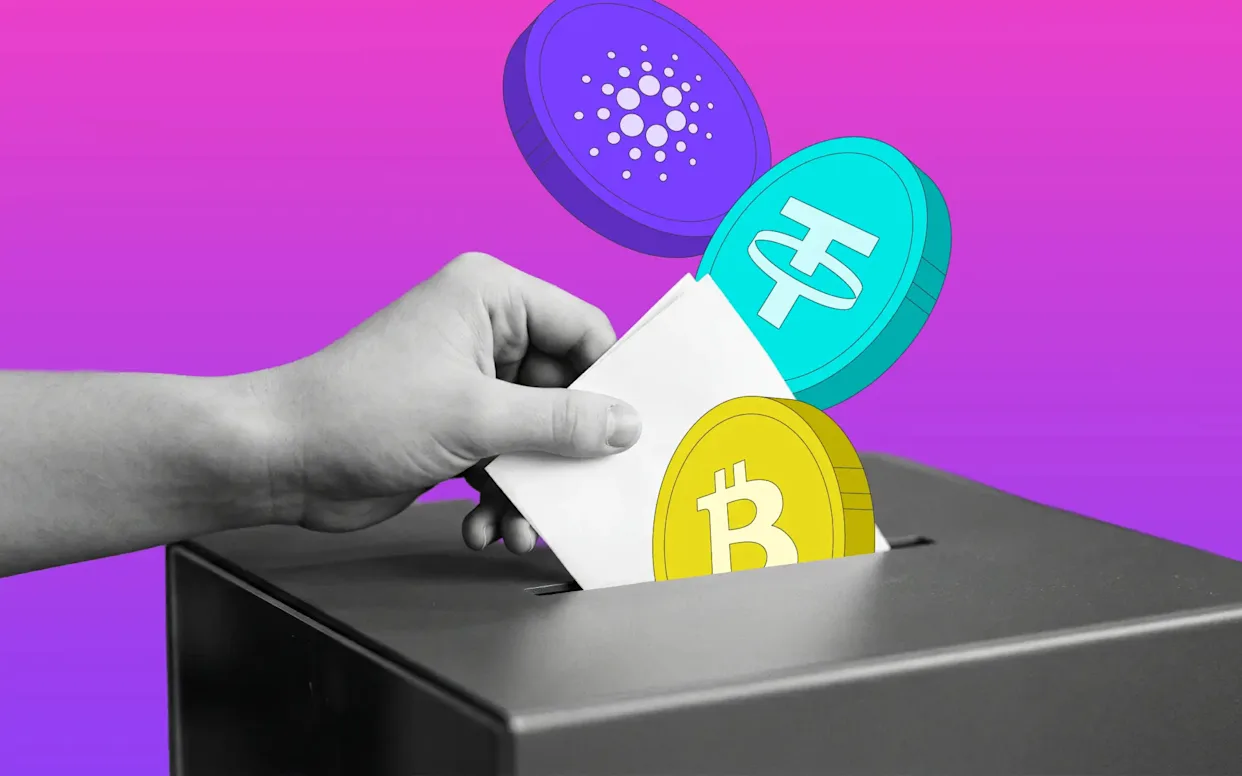
A new survey reveals that despite billions flowing into the crypto industry and growing political lobbying efforts, cryptocurrency remains one of the lowest priorities for U.S. voters heading into the 2026 midterm elections.
Crypto Falls to the Bottom of Voter Concerns
According to a CoinDesk-commissioned survey of 1,000 registered voters, digital assets ranked near last among major political issues, with only a tiny fraction of respondents identifying crypto as a top concern.
Key findings include:
- Just 1% of voters said crypto is their top issue
- Only 3% ranked it as most important overall
- Major concerns like cost of living (36%), jobs, and healthcare dominated voter priorities
Even emerging tech like AI slightly outranked crypto, showing how little urgency voters place on digital assets right now.
Negative Sentiment Still Dominates Public Perception
The survey also found that Americans generally view crypto unfavorably, with most voter groups expressing more negative than positive opinions about the industry.
While some partisan differences exist:
- Republican-leaning voters showed slightly more favorable views
- Democrats and independents leaned more negative
- Around 40% of voters trust neither party on crypto policy
This highlights a major challenge for the industry—it hasn’t fully won over the general public, even as adoption grows.
Adoption Is Growing—But Still Limited
Despite low priority rankings, crypto is not irrelevant:
- About 27% of voters have used, traded, or invested in crypto
- Another 27% say they may engage in the future
- Only a small percentage hold significant amounts ($10K+)
This suggests crypto has broad awareness but shallow penetration when it comes to meaningful financial exposure.
Crypto Still Has Influence—Just Not Priority
Interestingly, while crypto ranks low overall, it still has political influence potential:
- About 40% of voters say a candidate’s stance on crypto could impact their vote
- Roughly 22% consider crypto an “important” issue, even if not a top one
This creates a paradox: crypto isn’t a deciding issue for most voters—but it can still swing niche or competitive races, especially among engaged or younger demographics.
The Bigger Picture
This data is a reality check for the industry. While crypto companies and advocacy groups are pouring millions into political campaigns, voters are still focused on everyday issues like inflation, jobs, and healthcare. For crypto to become a top-tier political issue, it will likely need to connect more directly to real-world impact—things like payments, jobs, financial access, and economic opportunity. Until then, crypto may remain influential behind the scenes—but not at the center of the ballot box.
- ZachXBT Criticizes Arthur Hayes For Selling Worldcoin Shortly After Promoting the Token
- “Finding Satoshi” Documentary Suggests Hal Finney and Len Sassaman Co-Created Bitcoin
- Polymarket Criticized For Racist Post Targeting Fake ‘Baddies’
- Atlanta Blockchain Center’s ‘10 in 5’ Mission Statement
- Transform Ventures CEO Michael Terpin Warns Bitcoin Could See One More “Point of Pain” Before Stabilizing
- Coinbase CEO Brian Armstrong Reverses Course, Backs CLARITY Act After Months of Opposition