










































































































































































































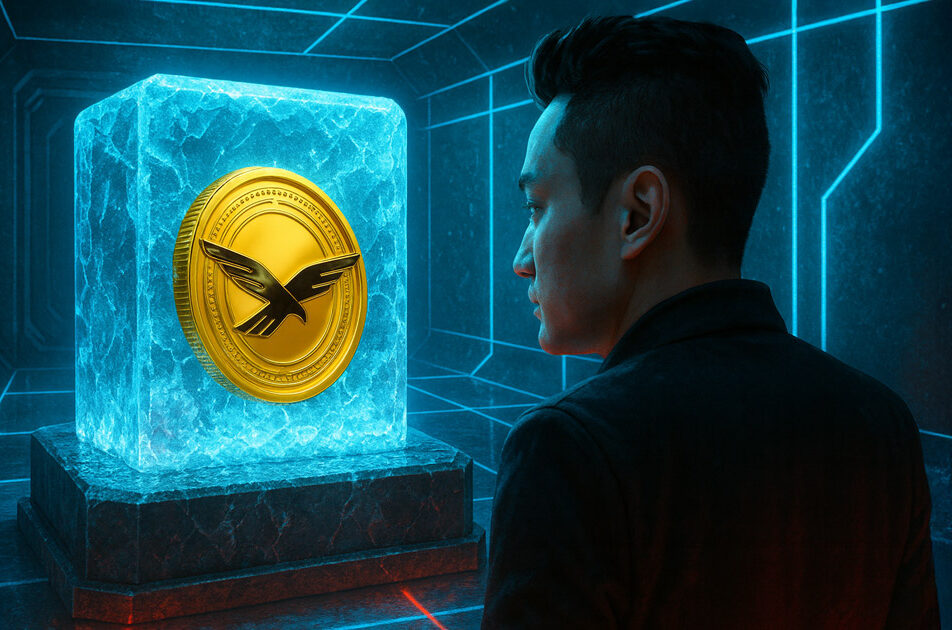
Justin Sun has publicly accused World Liberty Financial of embedding hidden control mechanisms into its WLFI token contracts, claiming the project used undisclosed “backdoor” functions to freeze user funds—sparking a major controversy around decentralization and investor rights.
Sun Claims Hidden Blacklisting Function
In a detailed public statement, Justin Sun alleged that World Liberty Financial included a blacklisting mechanism within its smart contract—giving the team unilateral authority to freeze, restrict, or confiscate user tokens without notice. Sun said this feature was never disclosed to investors and directly contradicts the project’s promise of decentralization and financial freedom. He described the system as “a trap door marketed as an open door.”
Claims of Being the Largest Victim
Sun also stated that he is the largest individual victim, citing the blacklisting of his wallet in 2025, which prevented him from accessing or moving his WLFI holdings.
According to Sun, this action:
- Violated investor rights
- Contradicted core blockchain principles
- Exposed centralized control within the protocol
His claims align with earlier reports of frozen WLFI wallets and growing concerns about governance and control within the ecosystem.
Allegations of Governance Manipulation
Beyond the blacklist function, Sun accused the World Liberty Financial team of manipulating governance processes to justify controversial actions.
He claims:
- Key information was withheld from token holders
- Participation in governance votes was restricted
- Outcomes were effectively predetermined
According to Sun, these votes do not represent the community, but rather the interests of those controlling the system.
Denounces “Token Scandals” and Calls for Transparency
Sun went further, accusing the project of:
- Extracting fees from users unfairly
- Embedding hidden controls over assets
- Freezing funds without due process
He strongly distanced himself from the project’s actions, stating they were never authorized by investors or conducted in good faith.
He is now calling on the team to:
- Unlock frozen tokens
- Restore transparency
- Rebuild trust with the community
A Bigger Debate Around “Decentralization”
This situation highlights a growing issue in crypto: How decentralized are projects that retain admin-level control over user funds? While features like blacklisting can be used for compliance or security, critics argue they:
- Introduce centralized points of control
- Undermine trust in DeFi systems
- Create risks for investors if misused
Why This Matters
This controversy goes beyond one project—it strikes at the core of crypto’s value proposition.
The bigger takeaway:
Decentralization is only as real as the control users actually have. If projects can freeze assets without transparency or consent, the line between DeFi and traditional finance starts to blur—and trust becomes the most valuable (and fragile) asset in the ecosystem.
- “Finding Satoshi” Documentary Suggests Hal Finney and Len Sassaman Co-Created Bitcoin
- JPMorgan CEO Jamie Dimon Says His “Personal Advice” is to Not Get Involved with Bitcoin
- Atlanta Blockchain Center’s ‘10 in 5’ Mission Statement
- Mark Cuban Backs Kamala Harris’ Crypto Community Engagement
- Meme Coin Mania: Going To The Moon or Rug Pulls?
- Michael Saylor Predicts Bitcoin Will Hit $280 Trillion in Market Cap by 2045