



















































































































































































































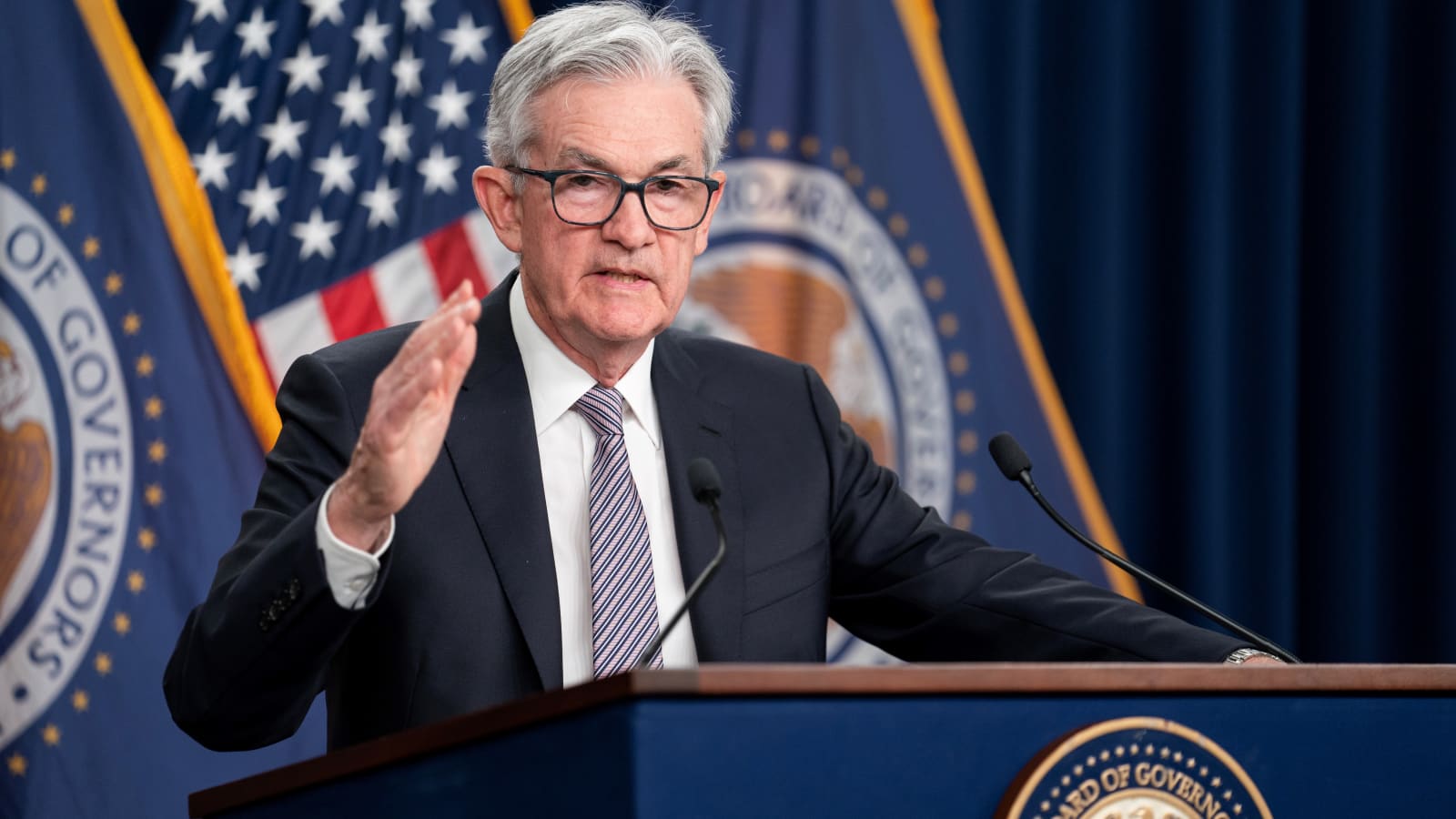
Bitcoin dropped toward $74,000, pulling back alongside broader risk assets after the Federal Reserve held interest rates steady in a highly divided decision, cooling expectations for near-term monetary easing.
Fed’s Split Decision Sparks Market Uncertainty
The Federal Reserve kept rates unchanged in the 3.5%–3.75% range, but what shook markets wasn’t the decision—it was the division behind it. The vote came in at 8–4, marking the most contested policy decision in over 30 years and signaling deep disagreement within the central bank. Some officials pushed back against the Fed’s “easing bias,” while others even supported rate cuts, creating confusion around the future direction of policy.
This level of internal conflict injected uncertainty into markets, triggering a pullback in Bitcoin and other risk assets.
“Warsh Pivot Party” Expectations Fade
Much of the recent bullish sentiment in markets was tied to expectations that incoming Fed Chair Kevin Warsh would quickly pivot toward rate cuts. That narrative—often referred to as the “pivot party”—has now been significantly weakened. With dissenters pushing back against easing and inflation still elevated, hopes for aggressive monetary loosening have cooled.
As a result, traders are reassessing timelines for rate cuts, with some now pricing in fewer—or even delayed—cuts.
Macro Pressure Hits Bitcoin and Risk Assets
Bitcoin’s drop wasn’t isolated—it mirrored a broader risk-off reaction across markets. Higher-for-longer interest rate expectations tend to reduce liquidity, which directly impacts speculative assets like crypto.
At the same time, macro conditions remain challenging:
- Rising oil prices and inflation concerns
- Ongoing geopolitical tensions tied to Iran
- Reduced confidence in near-term rate cuts
These factors are tightening financial conditions and weighing on Bitcoin’s momentum.
Short-Term Volatility Returns to Crypto Markets
The Fed decision triggered sharp volatility, with Bitcoin briefly dipping below $75K before stabilizing. This reaction highlights how sensitive crypto markets have become to macro signals—especially interest rate policy. Even when decisions are expected, shifts in tone, language, or internal disagreement can move markets quickly.
The Bigger Picture
This move reinforces a key trend: Bitcoin is still trading like a macro asset. As long as monetary policy remains tight and inflation risks persist, crypto markets are likely to stay reactive to Fed decisions. While long-term fundamentals remain intact, the path forward for Bitcoin now depends less on crypto-native catalysts—and more on when the Federal Reserve is ready to truly pivot.
- Justin Sun’s TRON Going Public in US After Circle IPO Success
- Backpack Pledges 20 % Equity to Token Stakers Ahead of Potential IPO
- NYSE Welcomes Exodus ($EXOD) to its Platform, Stock Dips 15%
- BONK Goes Live on Robinhood as Meme Coins Continue to Struggle
- Rumored Trump Token $DJT Flying as Traders Bet on Whether It’s Legit
- Oracle Stock Jumps After Forming TikTok Joint Venture