

























































































































































































































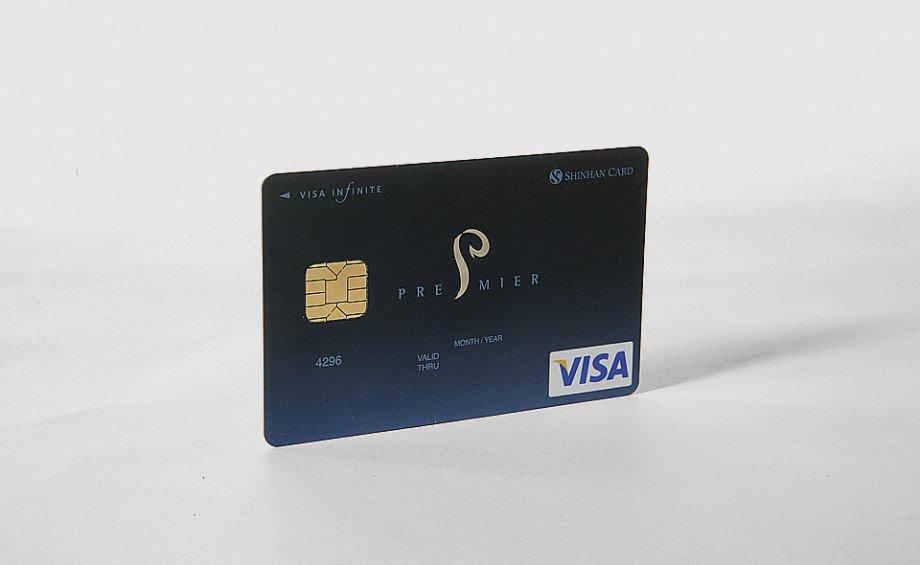
South Korea’s largest credit card issuer, Shinhan Card, is pushing deeper into crypto by partnering with the Solana Foundation to develop stablecoin-based payments—potentially bringing blockchain transactions to over 28 million users.
Traditional Finance Meets Blockchain Through Strategic Partnership
The collaboration between Shinhan Card and Solana is centered around building next-generation payment infrastructure that blends traditional finance with decentralized systems. The two firms signed a formal agreement to expand stablecoin and Web3 payment capabilities, building on earlier pilots completed in 2025. This move signals a growing trend of major financial institutions actively integrating blockchain rather than competing against it.
Real-World Payment Testing on Solana Network
The initiative will move into an advanced proof-of-concept phase in 2026, where the companies will simulate real-world transactions between consumers and merchants using Solana’s testnet.
Key areas being tested include:
- Instant stablecoin settlement between users and merchants
- Transaction speed, scalability, and reliability under real conditions
- User experience and ease of adoption at scale
The goal is to determine whether blockchain can match—or outperform—existing card payment systems in everyday use.
Non-Custodial Wallets and User-Controlled Finance
A major component of the project is the integration of non-custodial wallets, allowing users to maintain full control over their funds without relying on intermediaries. This represents a shift away from traditional card models toward a more decentralized financial structure, where users directly own and manage their digital assets.
Building a Hybrid Finance Model (TradFi + DeFi)
Shinhan Card is also exploring a “hybrid finance” model that combines the trust of traditional banking with the efficiency of blockchain technology. This includes using oracle systems to connect real-world transaction data with on-chain smart contracts.
The broader vision is to create a seamless payment environment where:
- Traditional card infrastructure integrates with blockchain rails
- Stablecoins enable faster, cheaper settlements
- Smart contracts automate financial processes
Regulation Will Play a Key Role in Deployment
The rollout is closely tied to South Korea’s upcoming Digital Asset Basic Act, expected in 2026, which will introduce stricter rules for stablecoins, including full reserve backing requirements. This means large-scale deployment will likely depend on regulatory clarity, reinforcing how policy is shaping the pace of crypto adoption in traditional finance.
The Bigger Picture
This partnership highlights a major shift in global finance: credit card giants are no longer ignoring crypto—they’re rebuilding their infrastructure around it. If successful, Shinhan Card’s integration with Solana could redefine how payments work, turning stablecoins into a real alternative to traditional card networks and pushing blockchain closer to everyday consumer use at massive scale.
- TOKEN2049 Dubai Postponed to 2027 Amid Heightened Security Risks in the UAE
- Controversial Crypto Ban: Google Pulls Binance Kraken & Other Global Crypto Exchange Apps From India store
- El Salvador’s Bonds Spike Despite Bitcoin Criticism
- Vancouver Moves to Close Bitcoin Reserve Proposal After Legal Review
- Mercari to Launch Bitcoin Payments and XRP Trading in Japan
- BlackRock Approved to Offer Crypto Services in UK, Expanding Digital Asset Footprint