








































































































































































































Taylor Swift is taking direct legal action against the rise of AI impersonation by filing new trademarks to protect her voice and likeness, signaling a major shift in how celebrities are defending their digital identity.
AI Threats Push Swift Toward Legal Protection
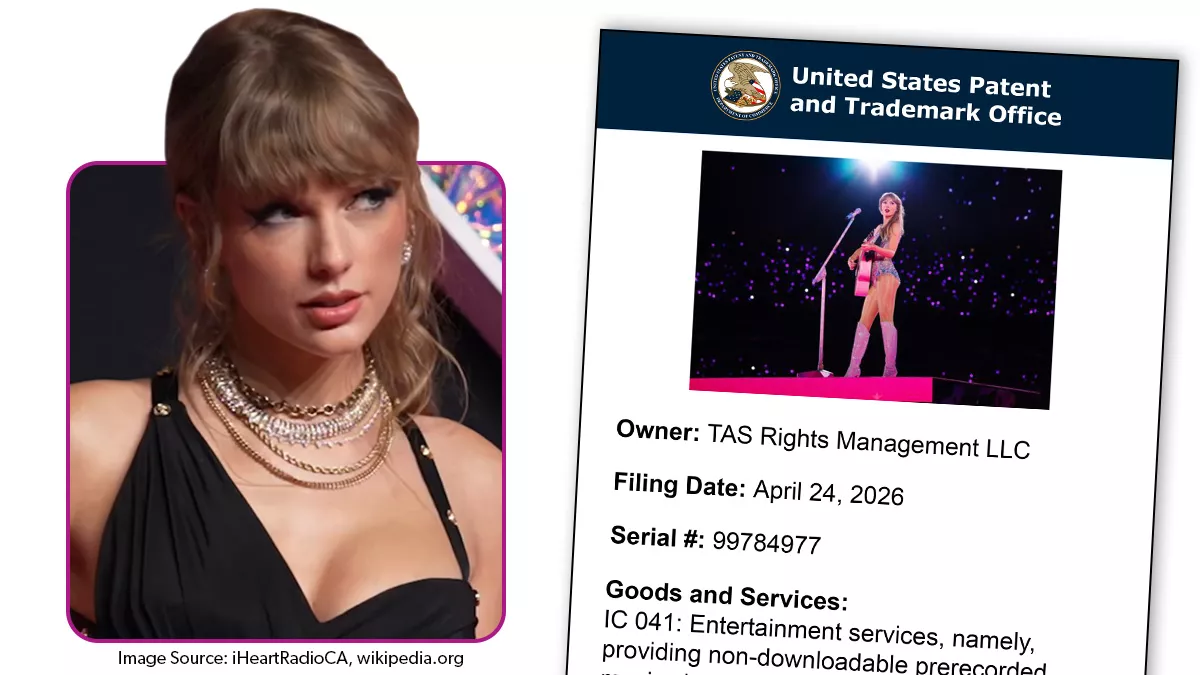
Swift’s company submitted three trademark applications to the U.S. Patent and Trademark Office, including two audio trademarks of her speaking and one iconic image from her Eras Tour. The goal is clear. Prevent unauthorized AI-generated content that mimics her voice or image—something that has already become a growing issue across the entertainment industry.
What Exactly She Trademarked
The filings include:
- Audio clips of Swift saying “Hey, it’s Taylor Swift” and “Hey, it’s Taylor”
- A signature performance image from her Eras Tour featuring her stage look and pink guitar
This approach goes beyond traditional copyright, targeting how her identity itself can be replicated using AI tools.
A New Legal Strategy for the AI Era
Trademarking a voice is still relatively untested in U.S. courts, but legal experts say it could give Swift stronger grounds to challenge AI-generated imitations that are “confusingly similar.” This is important because AI tools can now clone voices and generate realistic visuals with minimal data, making it harder to distinguish real from fake content.
Why This Move Matters
Swift has already been a target of AI misuse, including deepfake images and false political endorsements, which helped drive urgency around protecting her identity.
Her move reflects a broader industry trend where public figures are:
- Locking down their voice and likeness legally
- Preparing for AI-generated impersonation at scale
- Building new legal frameworks to control digital identity
Part of a Bigger Industry Shift
Swift isn’t alone. Celebrities like Matthew McConaughey have taken similar steps, trademarking signature phrases and voice clips to guard against AI misuse. This signals a new phase where intellectual property is evolving to include identity itself, not just music, films, or content.
The Bigger Picture
This isn’t just about Taylor Swift. It’s about the future of identity in the AI era. As generative AI makes it easier to replicate voices, faces, and personalities, the value of owning and protecting your digital self is becoming just as important as owning your content. For creators, celebrities, and even everyday users, this moment highlights a key reality: In the AI age, your identity is becoming one of your most valuable—and vulnerable—assets.
- Robert Downey Jr. Refuses to Let Hollywood Create His AI Replica
- OpenAI Shuts Down Sora Video Tool in Major Shift Toward Profit and AI Infrastructure
- Coinbase Expects AI Agents and Humans to Transact Using Crypto
- Tether Details Plan for Decentralized QVAC Platform That Powers Bitcoin-Wielding AI Agents
- OpenAI Hires Creator of Viral AI Agent OpenClaw and Establishes Support Foundation
- AI Could Accelerate the Quantum Threat Facing Bitcoin and Crypto Security, Experts Warn