

















































































































































































































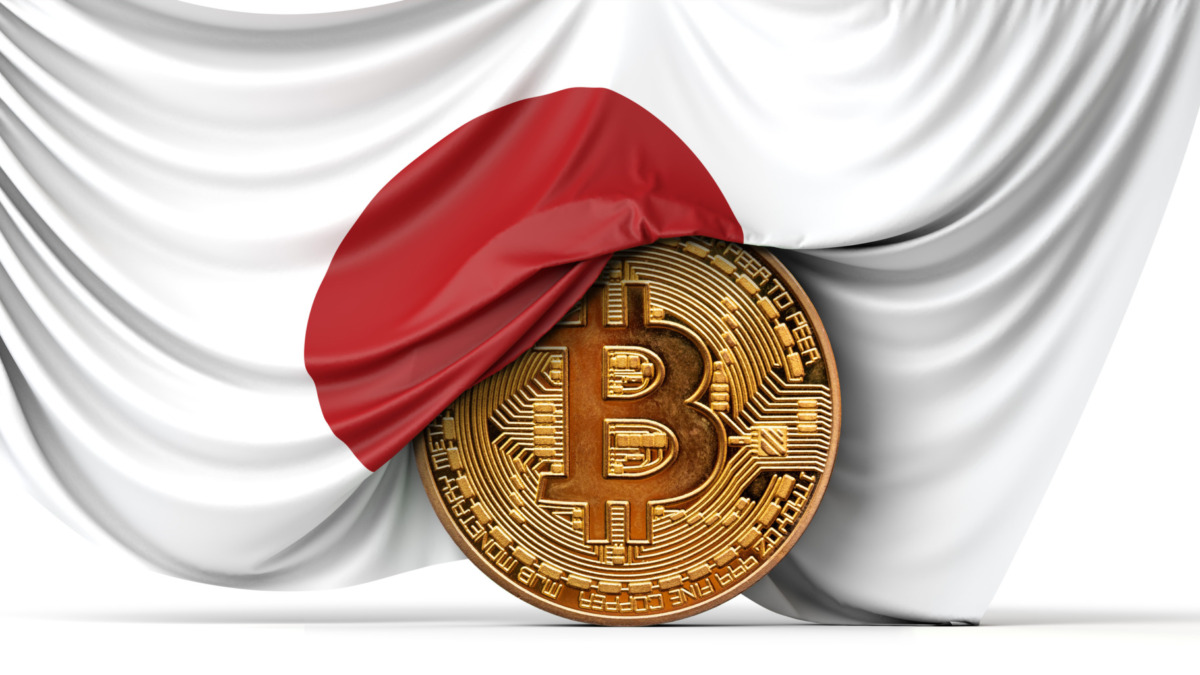
Japan is taking a major step toward mainstreaming crypto by advancing a bill that would officially classify digital assets as financial products—bringing them under the same regulatory framework as stocks and traditional securities.
Crypto Moves From Payments to Investments
Under the proposed changes, Japan will shift crypto assets out of its previous classification as payment tools and into the Financial Instruments and Exchange Act, aligning them with traditional financial markets. This means cryptocurrencies like Bitcoin and Ethereum will now be treated more like investment assets rather than simple payment methods.
New Rules: Insider Trading Ban and Disclosure Requirements
The updated framework introduces stricter oversight designed to improve transparency and investor protection.
Key changes include:
- A ban on insider trading in crypto markets
- Mandatory annual disclosures for crypto issuers
- Increased penalties for unregistered exchanges, including potential prison time
These rules mirror traditional financial markets, signaling Japan’s intent to create a more mature and regulated crypto ecosystem.
Opening the Door for Institutional Capital
By reclassifying crypto as financial products, Japan is effectively unlocking access for:
- Banks and financial institutions
- Pension funds and insurance companies
- Institutional investment mandates
This move is expected to significantly increase capital inflows into the crypto market, as large institutions often require clear regulatory frameworks before participating. Japan is also laying the groundwork for crypto ETFs, with potential approvals expected in the coming years.
Tax and Market Incentives
Alongside the regulatory shift, Japan is considering reducing crypto taxes from as high as 55% to a flat 20% rate, similar to equities. This would make the country significantly more attractive for both retail and institutional investors, reinforcing its position as a global crypto hub.
Part of a Global Regulatory Trend
Japan’s move reflects a broader global shift where governments are:
- Treating crypto as financial infrastructure
- Prioritizing investor protection and transparency
- Creating pathways for institutional adoption
From the U.S. to South Korea and Europe, regulators are increasingly integrating crypto into traditional financial systems rather than isolating it.
Why This Matters
This is one of the most important regulatory developments of 2026.
The bigger takeaway:
Japan isn’t just regulating crypto—it’s legitimizing it. By placing digital assets alongside traditional financial instruments, the country is helping transform crypto from a speculative market into a fully integrated part of the global financial system.
- Pakistan Eyes Stablecoin for Remittances in Deal With Trump-Linked World Liberty Financial
- Absa Bank Partners with Ripple to Expand Digital Asset Custody Offering in South Africa
- WazirX Announces Recovery Plan Post $230M Hack
- Germany Launches First Fully Digital Bond on Blockchain, Cutting Issuance Time to Just One Hour
- The Vatican Library Is Giving Donors Soulbound NFTs
- Ukraine Plans to Create National Bitcoin Reserve