












































































































































































































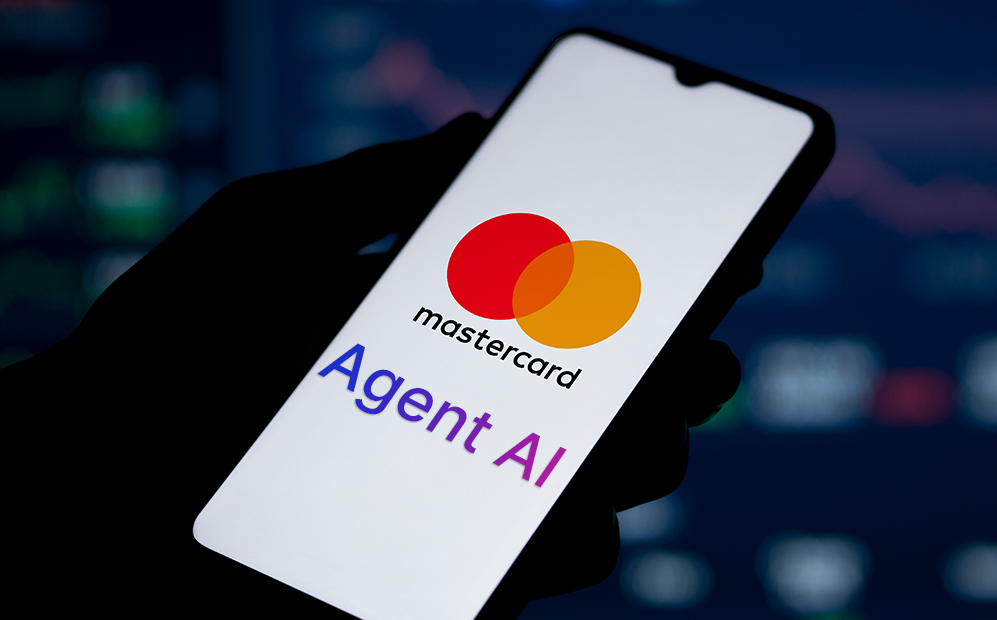
The future of payments is shifting fast as Mastercard teams up with Lobster.cash to allow AI agents to make real-world purchases using existing credit and debit cards, introducing a new era of automated commerce. The integration, powered by Crossmint’s Lobster.cash platform, enables users to authorize AI agents to spend on their behalf while maintaining full control and security through Mastercard’s network.
AI Agents Move From Assistants to Buyers
This development marks a major leap in what AI agents can do. Instead of just recommending products or services, agents can now complete transactions directly. Users can delegate spending permissions to their AI agents, allowing them to execute purchases based on predefined rules such as:
- Spending limits
- Approved merchants
- Specific use cases or tasks
Each transaction is still processed through Mastercard’s infrastructure, ensuring that issuers retain visibility and control over how funds are used.
Security and Control Built Into Every Transaction
A key component of the system is Mastercard’s “Verifiable Intent” framework, which creates a cryptographic record proving that a user authorized each transaction. This ensures that AI-driven purchases are not only automated but also accountable and traceable, addressing one of the biggest concerns around agent-based commerce. Importantly, users do not need to share sensitive card details directly with AI agents. Instead, the system uses secure credential layers to protect payment information while still enabling seamless transactions.
Agentic Commerce Becomes a Reality
The integration is initially rolling out within the OpenClaw ecosystem, which already has over one million AI agents deployed across multiple platforms. By combining AI automation with traditional payment rails, this partnership introduces what many are calling “agentic commerce” — a model where software agents actively participate in economic activity on behalf of users. This represents a fundamental shift in how transactions are initiated. Payments are no longer limited to human input. They can now be triggered by intelligent systems operating within defined permissions.
Why This Changes the Payments Industry
This move positions Mastercard at the center of a new payment paradigm where AI and blockchain infrastructure intersect with traditional finance. Instead of replacing existing systems, the model enhances them by allowing:
- AI agents to execute transactions
- Card networks to maintain control and compliance
- Users to automate financial decisions without losing oversight
The result is a hybrid system where automation and trust coexist within established financial rails.
The Bigger Picture
Mastercard enabling AI agents to make purchases signals a major evolution in commerce. As AI becomes more integrated into daily life, the ability for agents to not just assist but act will redefine how consumers interact with money. This is no longer just about faster payments or better user interfaces. It is about shifting who — or what — is allowed to participate in the economy. In this next phase, transactions may increasingly be handled not by people, but by the intelligent systems working on their behalf.
- Robert Downey Jr. Refuses to Let Hollywood Create His AI Replica
- OpenAI Reveals Rogue AI Agent Breached Four More Platforms Beyond Hugging Face
- Clawdbot Rebrands to Moltbot Amid Anthropic Dispute, Founder Warns of Fake Token Scams
- Hidden Text in PDFs Can Hijack AI Assistants Through Prompt Injection Attacks
- Eliza Labs Launches Auto.fun to Help Creators Build and Monetize AI Agents Without Touching Code
- U.S. Government Commits $2 Billion to Quantum Computing as Bitcoin Security Concerns Intensify