
















































































































































































































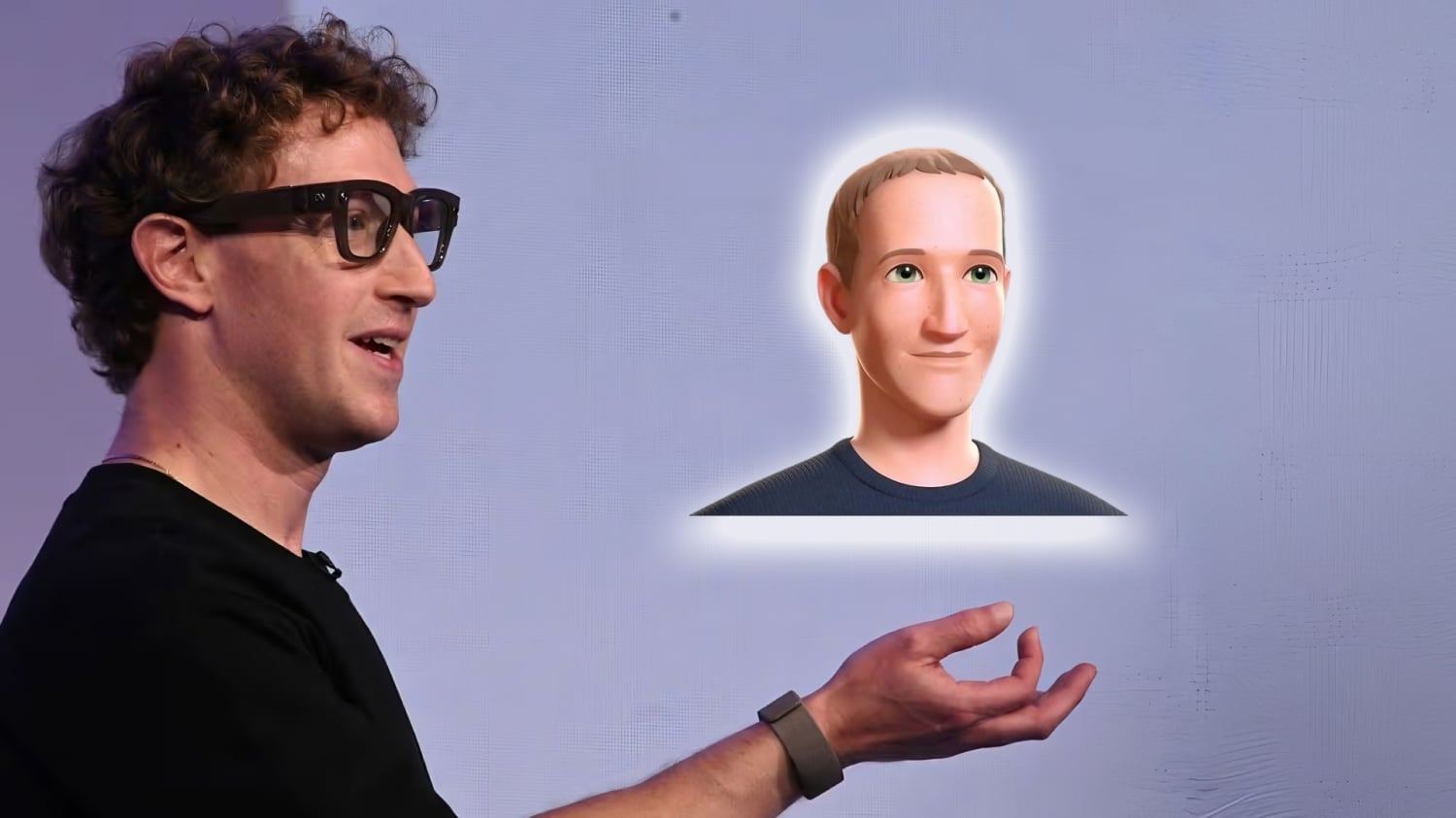
Meta CEO Mark Zuckerberg is reportedly developing an AI agent designed to assist—and potentially replicate—key executive functions, marking a major step toward integrating artificial intelligence at the highest level of corporate leadership. The move reflects Meta’s broader shift away from its metaverse ambitions and toward becoming an AI-first company, as Big Tech increasingly explores how automation can streamline decision-making, operations, and even leadership roles.
AI Moves Into the CEO Seat
Zuckerberg’s AI project is not just another internal tool—it’s being designed to help him operate as CEO more efficiently.
Key capabilities include:
- Retrieving information instantly across company systems
- Analyzing internal data, reports, and strategic decisions
- Assisting with high-level decision-making processes
- Reducing reliance on layers of management
The long-term vision suggests a future where AI agents could take on increasingly complex executive responsibilities.
Meta’s Shift From Metaverse to AI
This initiative is part of a larger transformation happening inside Meta Platforms.
Recent changes include:
- Pulling back from heavy metaverse investments
- Increasing spending on AI infrastructure and tools
- Restructuring teams to prioritize automation and efficiency
- Laying off employees as part of the transition
Meta is positioning itself to compete in the rapidly growing AI sector as startups and competitors accelerate development.
AI Agents Could Redefine Leadership
The concept of an AI-assisted—or AI-driven—CEO is part of a broader trend in Silicon Valley.
Industry implications:
- AI could automate executive-level tasks faster than expected
- Decision-making could become more data-driven and less human-dependent
- Corporate structures may flatten as middle management becomes less necessary
- AI agents may eventually “join the workforce” at all levels
Some tech leaders have already suggested that running a company could be one of the easier roles for AI to replicate.
Concerns Around AI in Power
Despite the innovation, the idea of AI leadership raises serious concerns.
Critics point to:
- Lack of human judgment and emotional intelligence
- Risks of over-reliance on automated decision-making
- Potential job displacement across corporate roles
- Security and operational risks from autonomous systems
Recent incidents involving AI agents inside companies have already exposed vulnerabilities, highlighting the challenges of deploying these systems at scale.
Why This Matters
This development signals a major shift in how companies may operate in the future:
- AI is moving beyond support roles into leadership-level functions
- Tech companies are experimenting with automation at the highest level
- The definition of a “CEO” could evolve into a human-AI hybrid role
- Workforce structures may change as AI takes on more responsibility
As companies like Meta push deeper into AI integration, the line between human leadership and machine intelligence is beginning to blur—potentially reshaping the future of business itself.
- Theta Partners with Aethir to Launch Largest Hybrid GPU Marketplace for AI and DePIN
- Apple Brings ChatGPT to iPhones in AI Overhaul
- Robert Downey Jr. Refuses to Let Hollywood Create His AI Replica
- Riot Taps Advisors to Explore AI Partnerships as Bitcoin Miners Eye New Revenue Streams
- Celebrating Two Years of ChatGPT, The Pioneer in Generative AI
- PayPal and Google Say AI-Driven Commerce Will Run on Crypto Rails