












































































































































































































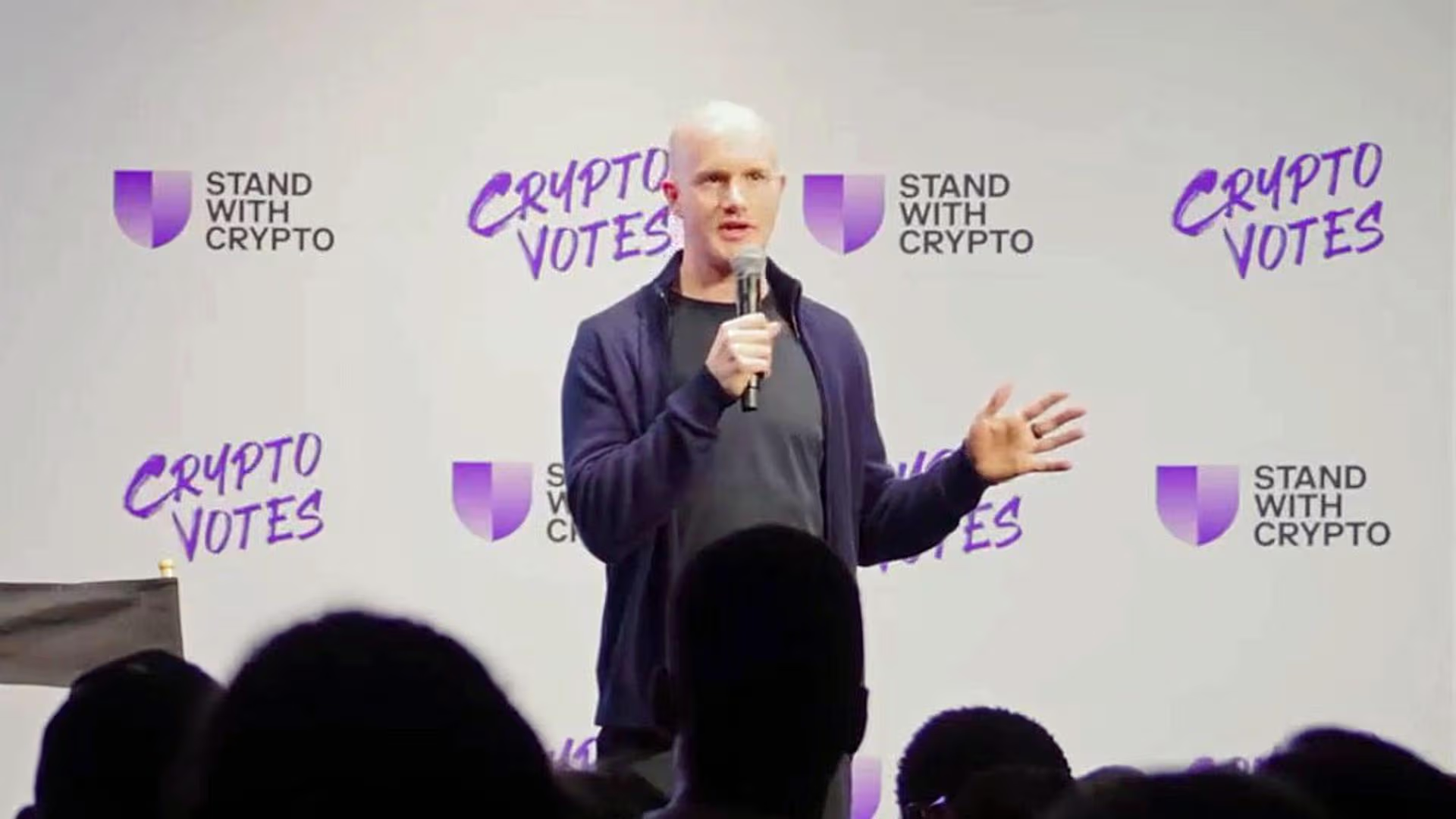
The crypto advocacy group Stand With Crypto is stepping deeper into U.S. politics after launching a new voter hub and announcing its first slate of endorsed candidates for the 2026 midterm elections, signaling a major push to mobilize millions of crypto holders as a unified voting bloc. The initiative highlights how the crypto industry is increasingly influencing elections as lawmakers debate key legislation that will shape the future of digital assets in the United States.
Voter Hub Aims to Mobilize Crypto Voters
The newly launched platform is designed to educate and activate voters around crypto policy.
Key features include:
- A centralized hub with information on every congressional candidate
- Crypto “scorecards” based on voting history and public statements
- Candidate rankings tied to support for digital asset innovation
- Tools to help voters make informed decisions in the midterms
The goal is to turn crypto users into a coordinated political force across the country.
First Slate of Endorsed Candidates Announced
Stand With Crypto is backing a bipartisan group of lawmakers who support crypto-friendly policies.
Initial endorsements include:
- Rep. Zach Nunn (R – Iowa)
- Rep. Susie Lee (D – Nevada)
- Rep. Mike Lawler (R – New York)
- Rep. Don Davis (D – North Carolina)
- Rep. Greg Landsman (D – Ohio)
- Rep. Rob Bresnahan (R – Pennsylvania)
The group is focusing on competitive districts where crypto voters could influence election outcomes.
Crypto Voters Emerging as a Key Swing Bloc
New data suggests crypto holders could play a decisive role in the upcoming elections.
Key findings:
- A majority of crypto voters do not strictly align with one political party
- Nearly 80% say they are highly likely to vote in 2026
- 74% are more likely to support candidates who favor clear crypto regulations
- Many voters prioritize crypto policy even over other political issues
This positions crypto as a potentially powerful and unpredictable force in U.S. elections.
Targeting Battleground Districts
The organization is focusing its efforts on key races where margins are historically tight.
Strategy includes:
- Prioritizing competitive House races across multiple states
- Targeting districts in Ohio and Pennsylvania with mixed crypto records
- Deploying digital campaigns, SMS outreach, and grassroots organizing
- Leveraging a network of over 2.7 million advocates
These efforts are designed to directly impact the composition of Congress.
Crypto Industry Expands Political Influence
This move reflects a broader trend of the crypto sector becoming more active in politics.
Key dynamics:
- Crypto advocacy groups are increasing campaign involvement
- Millions of dollars are being spent to support pro-crypto candidates
- Regulation is becoming a central issue in elections
- The industry is pushing for clearer rules and innovation-friendly policies
The 2026 midterms are shaping up to be a major test of crypto’s political power.
Why This Matters
This development signals a major shift in the relationship between crypto and politics:
- Crypto voters are becoming a recognized political force
- Advocacy groups are actively shaping election outcomes
- Policy decisions around crypto could be influenced by voter blocs
- The future of regulation may be decided at the ballot box
As the industry continues to organize politically, the outcome of the 2026 midterms could play a defining role in how crypto is regulated—and adopted—across the United States.
- Veteran IRS official Trish Turner steps down to join crypto tax firm
- Lava Secures Investment From Alex Crognale, The First USL Player Paid in Bitcoin
- Popular Convenience Store ‘Sheetz’ Starts Accepting Crypto
- ZachXBT Investigation Leads to Conviction of Twitter Hacker
- Chinese Billionaire Guo Wengui Sentenced to 30 Years in Prison for $1 Billion Crypto and Investment Fraud
- Steak n Shake Launches Limited-Edition Bitcoin Steakburger