















































































































































































































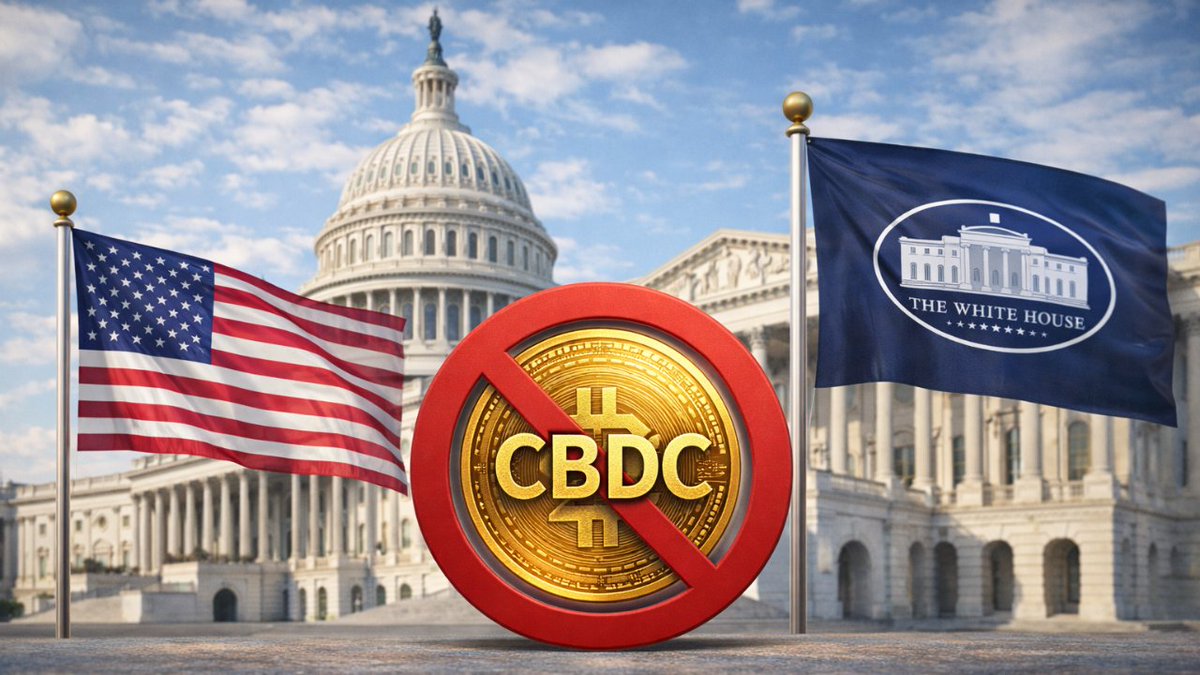
The U.S. Senate has advanced a major bipartisan housing bill that includes a provision banning the creation of a U.S. central bank digital currency (CBDC) through the end of the decade, pulling cryptocurrency policy into a broader debate over housing affordability and financial infrastructure.
Lawmakers voted 84–6 to move forward with the “21st Century ROAD to Housing Act,” a sweeping legislative package that combines housing reforms with a controversial restriction on the Federal Reserve’s ability to issue a digital dollar.
CBDC Ban Embedded in Housing Legislation
Rather than introducing the CBDC restriction as standalone crypto legislation, lawmakers embedded it directly within the housing bill. The provision explicitly prohibits the Federal Reserve or any Federal Reserve Bank from issuing or creating a central bank digital currency, either directly or through financial intermediaries.
The language states that the Fed “may not issue or create a central bank digital currency, or any digital asset substantially similar to a central bank digital currency.”
Supporters of the measure argue that banning a digital dollar protects financial privacy and prevents excessive government control over payment systems.
House Conservatives Pushed the Provision
The CBDC ban was reportedly added to the legislation after pressure from House conservatives, who had previously demanded stronger safeguards against the potential launch of a U.S. digital dollar.
By attaching the provision to a major housing bill, lawmakers created a compromise that allowed the broader legislation to advance while securing the crypto-related restriction many Republicans had been seeking.
The strategy also reflects how digital asset policy is increasingly being folded into broader economic legislation, rather than debated solely through crypto-specific bills.
White House Signals Support
Shortly after the Senate vote, the White House issued a statement supporting the bill, indicating that President Donald Trump would sign the legislation if it reached his desk in its current form.
The backing was notable because many Democrats have historically opposed outright bans on CBDC development, arguing that research into a digital dollar is necessary to maintain U.S. leadership in financial innovation.
The Federal Reserve’s Position on a Digital Dollar
Federal Reserve officials have repeatedly stated that the central bank would not launch a CBDC without explicit authorization from Congress. At present, the Fed’s work on a digital dollar remains exploratory, focused primarily on research rather than deployment.
However, the growing global interest in CBDCs—particularly from countries like China and the European Union—has intensified debate in Washington about whether the United States should develop its own digital currency.
- SEC Commissioners Promises New Crypto Rules at First Roundtable
- DEF Pushes Senate to Protect Crypto Developers in New Bill
- Detroit to Accept Cryptocurrency for Taxes and Fees by 2025
- Federal Reserve Moves to Tighten Stablecoin Oversight With New Customer Identification Requirements
- U.S. Treasury Met With Three Crypto Firms to Decide Custody of Bitcoin Reserve
- Coinbase Says CLARITY Act Vote Is Set for September 15 as Senate Crypto Talks Continue