







































































































































































































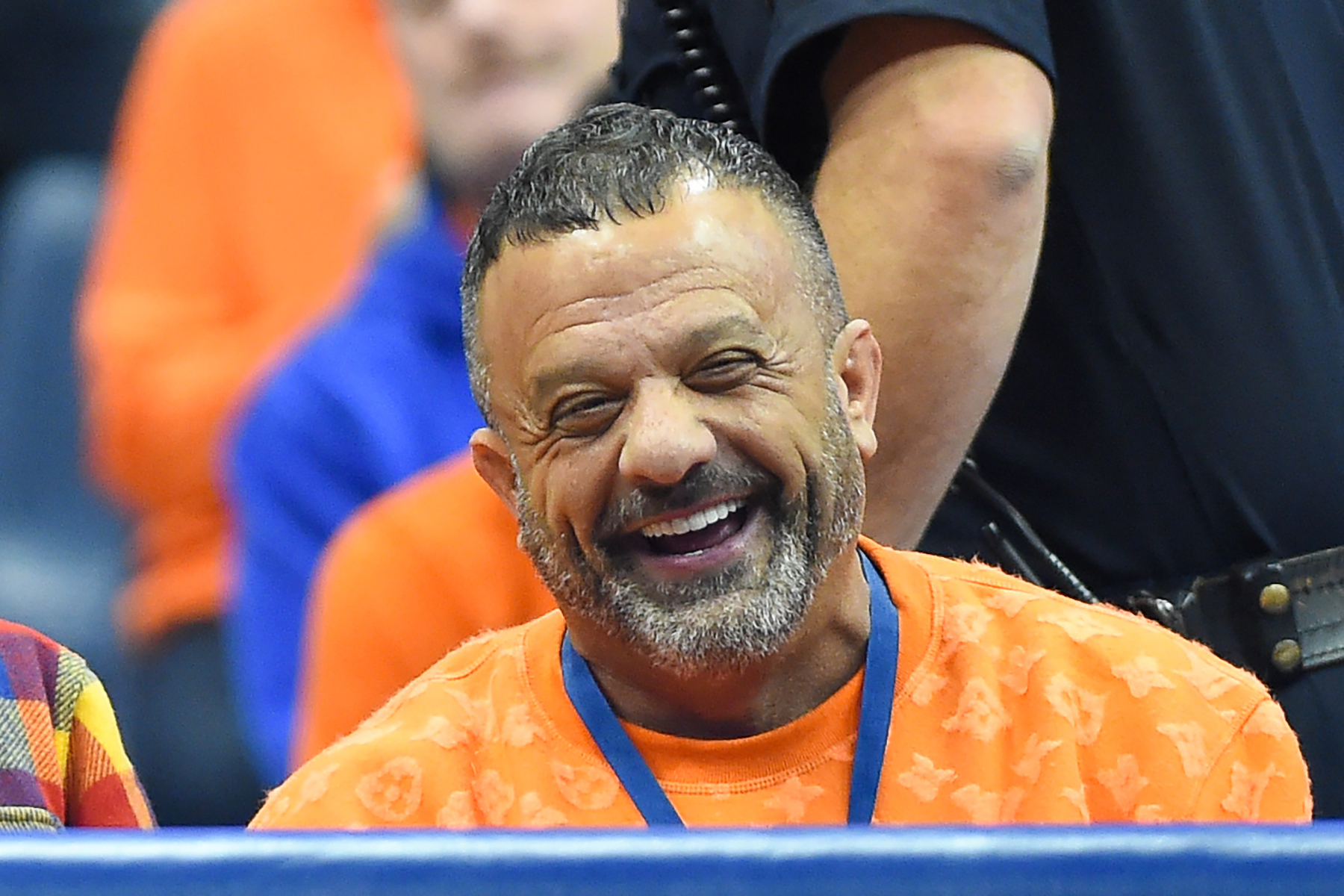
Prominent NFT investor and scrap-metal billionaire Adam Weitsman had his X (formerly Twitter) account compromised by hackers late last week, resulting in a wave of fraudulent posts promoting a phony forex trading courseand a fake meme crypto project dubbed “Clawed Ape Yacht Club (CAYC).” The incident highlights continued risks around high-profile social media account takeovers and deceptive crypto promotions that try to exploit investor trust.
What Happened
On Thursday, February 27, unauthorized actors gained access to Weitsman’s verified X account and used it to share two major scams:
A fraudulent foreign exchange (forex) course promising unrealistic returns, and
A post endorsing a bogus token called Clawed Ape Yacht Club (CAYC) — a speculative meme coin designed to sound similar to well-known NFT projects.
The fake CAYC post claimed large backing and encouraged users to trade the token. Shortly thereafter, the token’s price experienced volatile swings, with its market capitalization briefly surging and then crashing within minutes.
According to reporting, Weitsman’s team was able to regain control of the X account after one of his associates — identified only by the handle @Gabrielesm1 — worked to recover access. The associate emphasized that the account was once again under control and warned against changing the password prematurely.
Scams on Social Platforms: A Persistent Threat
This incident is part of a wider pattern in crypto and NFT communities where hackers target verified social media accounts to push scams. Attackers often tap into the fear of missing out (FOMO) by promoting fake airdrops, lucrative trading courses, or phony tokens linked to recognizable brands or collections. Past high-profile breaches — such as the 2022 Instagram hack of the official Bored Ape Yacht Club account — show how quickly trustworthy platforms can be abused to lure victims into malicious activity.
Criminals typically rely on social engineering, compromised credentials, or gaps in two-factor authentication (2FA) to seize control of accounts. Once inside, they leverage the visibility and credibility of the hacked profile to broadcast links or asset endorsements that redirect users to counterfeit sites or pump-and-dump tokens.
Impact and Warnings
While it’s unclear whether any significant financial losses resulted directly from the CAYC posts, the episode underscores several key risks for the NFT and broader crypto ecosystem:
Verified account breaches significantly increase the likelihood that fraudulent campaigns will attract engagement because of the perceived trust associated with those accounts.
Meme coins and spoof tokens can rapidly spike in price following deceptive promotions, creating volatility and potential losses for traders who enter based on false endorsements.
Users are reminded to double-check links, avoid signing transactions from untrusted sources, and enable strong security protections — such as hardware keys and app-based 2FA — on all social and crypto accounts.
This hack also comes amid broader conversation about the security challenges of social platforms used heavily in crypto marketing and community building, where one compromised post can send ripples through markets and investor sentiment.
- DraftKings Agrees to Settle NFT Class Action Suit for $10M
- Cool Cats Creator Forced Out After Animoca Brands Acquires Majority Stake, Sparking Community Backlash
- Pudgy Penguins Announce Partnership with NASCAR
- VeVe Drops Iconic Street Fighter V Chun-Li Digital Collectibles
- Bored Ape NFTs Not Securities, Federal Judge Rules in Key Yuga Labs Case
- Pudgy Penguins Release Massive $1.5 Billion PENGU Airdrop on Solana