











































































































































































































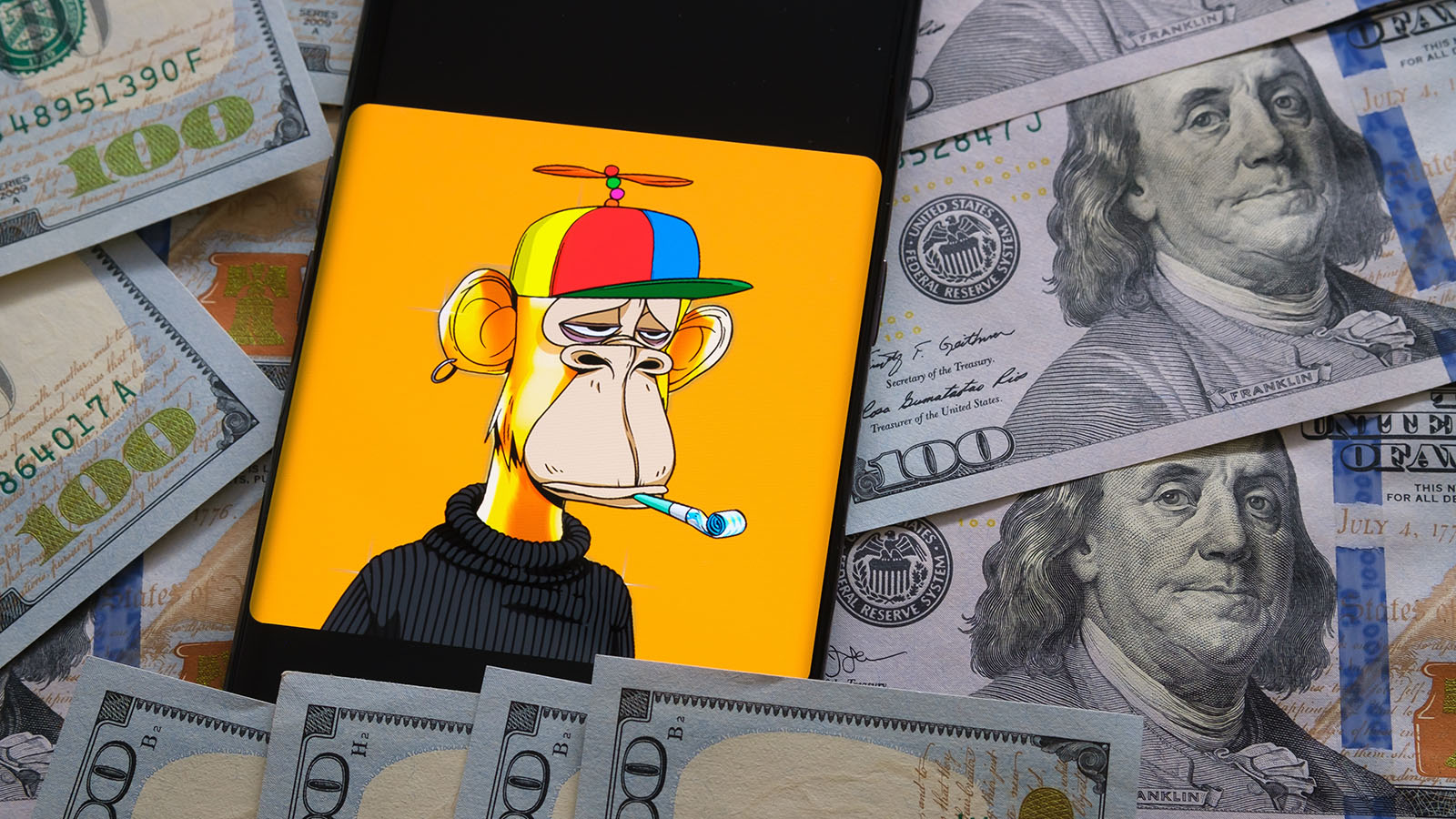
Yuga Labs has officially settled its long-running lawsuit over alleged copycat Bored Ape NFTs, bringing an end to a closely watched legal battle that has shaped how intellectual property is viewed in the NFT space.
A Two-Year Legal Battle Comes to an End
The case, originally filed in 2022, centered on claims that artist Ryder Ripps and his partner Jeremy Cahen created and sold a collection of NFTs that reused imagery from the Bored Ape Yacht Club (BAYC).
Yuga Labs argued the collection misled buyers and infringed on its trademarks, while the defendants claimed their project was satire and artistic commentary.
Settlement Terms and Outcome
While financial terms of the agreement were not disclosed, the settlement includes a key outcome: Ripps and Cahen are now permanently barred from using Yuga Labs’ trademarks and Bored Ape imagery moving forward.
The resolution avoids a full trial, which had been expected after an appeals court previously overturned an earlier $8.8 million judgment in Yuga’s favor.
Why This Case Was So Important
This lawsuit became one of the most significant legal battles in the NFT industry, raising critical questions around:
- Whether NFTs qualify for trademark protection
- The line between artistic expression vs. infringement
- How intellectual property applies in decentralized digital markets
At its core, the case tested whether copying NFT imagery—even under the claim of parody—could legally stand in a commercial marketplace.
Impact on the NFT Industry
The settlement sends a strong signal across the NFT space:
Projects with established brands and communities can—and will—defend their intellectual property rights.
At the same time, it highlights the legal gray areas still surrounding NFTs, especially when it comes to remix culture, satire, and digital ownership.
Why This Matters
This isn’t just about Bored Apes—it’s about the future of NFTs as a legitimate asset class.
The bigger takeaway:
As NFTs mature, legal frameworks are catching up. And this case reinforces that in Web3, ownership isn’t just on-chain—it’s enforceable in court.
- Justin Bieber’s $1.3 Million Bored Ape NFT Now Worth About $12,000
- VeVe Drops Iconic Street Fighter V Chun-Li Digital Collectibles
- New NFL Rivals Season Adds ‘Biggest Upgrade’ Since NFT Marketplace
- Taproot Wizards Announces Mint Schedule, Coming March 25
- Puffpaw Brings its ‘Vape-to-Earn’ Model to the Mainstream With New NFT Launch
- Bored Ape Yacht Club, Pudgy Penguins, and Bitcoin NFTs Dominate Weekly Trading as Courtyard Takes the Top Spot