



















































































































































































































288
Zcash developers have resigned from Electric Coin Company (ECC), the development firm behind the cryptocurrency project, after a major internal conflict shook the organization. The team cited a misalignment with the Bootstrap board, specifically members Zaki Manian, Christina Garman, Alan Fairless, and Michelle Lai (ZCAM).
Former CEO Josh Swihart shared the news on X, saying the team was pushed into leaving after their working conditions changed so much that they could no longer do their jobs properly. Even after quitting, the developers said they plan to start a new company and keep working toward their goal of building ‘unstoppable private money.’
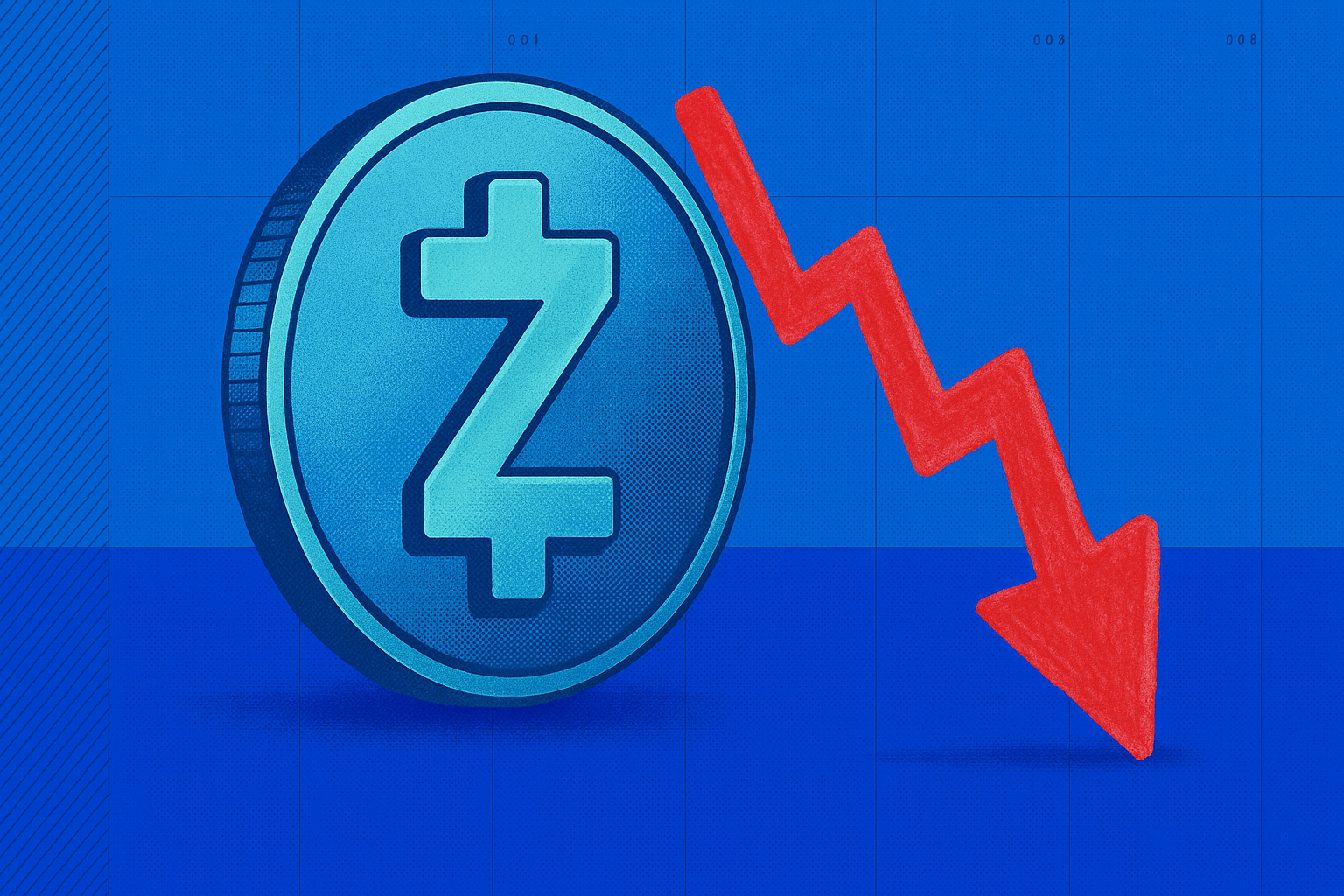
Swihart also reassured users that nothing has changed with the Zcash network itself and that the blockchain is still running safely. However, the internal dispute has shaken confidence, with ZEC’s price dropping nearly 20% in the past 24 hours to trade at $395—according to CoinMarketCap as investors reacted cautiously. Zcash has never had a simple leadership setup. ECC was created in 2015 to build the project and later launched Zcash in 2016. To avoid too much control in one place, the Zcash Foundation was formed in 2017.
ECC later transferred the Zcash trademark to the Foundation, which meant important decisions would require the concurrence of both parties. Later in 2020, ECC itself turnednonprofit through Bootstrap because shareholders relinquished their claim to the organization, making it an additional layer of governance for the project.
However, this setup has caused ongoing tension over time. The latest disagreement focuses on the development fund, which uses part of Zcash’s mining rewards to pay for future work. Since the fund was set to end in 2025, developers and board members clashed over how that money should be managed. As the dispute grew, the team decided to walk away rather than give up their core values.
Zooko Wilcox, the original founder of Zcash, also weighed in on X to calm user concerns. He said, “The Zcash network is open source, permissionless, secure, and private, and nothing that happens in this conflict can change that.” Zooko added that he respects the board members involved and believes the disagreement comes from how the system is set up, not from personal issues.
Many people in the crypto community have voiced support for the departing ECC team. Michelangelo.zec said the move shows a choice of values over internal politics, writing, “Strong systems survive leadership changes. Weak ones don’t.” Arjun Khemani also backed the team, saying the decision could be remembered for a long time as an effort to protect Zcash’s original vision.
The dispute has also reignited debates around privacy in cryptocurrency. Last month, Co-Founder Eli Ben-Sasson revealed Michael Saylor opposed adding Zcash-level privacy to Bitcoin, arguing governments might crack down on fully shielded transactions. Ben-Sasson pushed back by pointing to viewing keys, a feature that lets users share transaction details only when needed while keeping everything else private.
Because of this, Zcash still stands out as one of the few cryptocurrencies that takes privacy seriously as the industry continues to evolve. The ECC team’s leaving shows how tricky it can be to manage a decentralized project. The developers chose to stick to their mission instead of getting caught up in office politics, proving that Zcash can withstand challenges.
You Might Be Interested In
- Ripple Launches Website for RLUSD Stablecoin
- Chainlink CCIP, Data Streams, and Data Feeds Are Now Live on Soneium Mainnet
- MoonPay Partners with BitPay to Streamline Crypto Transactions
- SOL’s Resilience Tested: Solana Back Online Again After Suffering 5-Hour Outage
- Polymarket Is World’s Largest 2024 Presidential Election Prediction Pool
- A New Experimental ERC-404 Standard Combines The Elements of ERC-20 & ERC-721 Tokens to Create Semi-Fungible Digital Assets