
















































































































































































































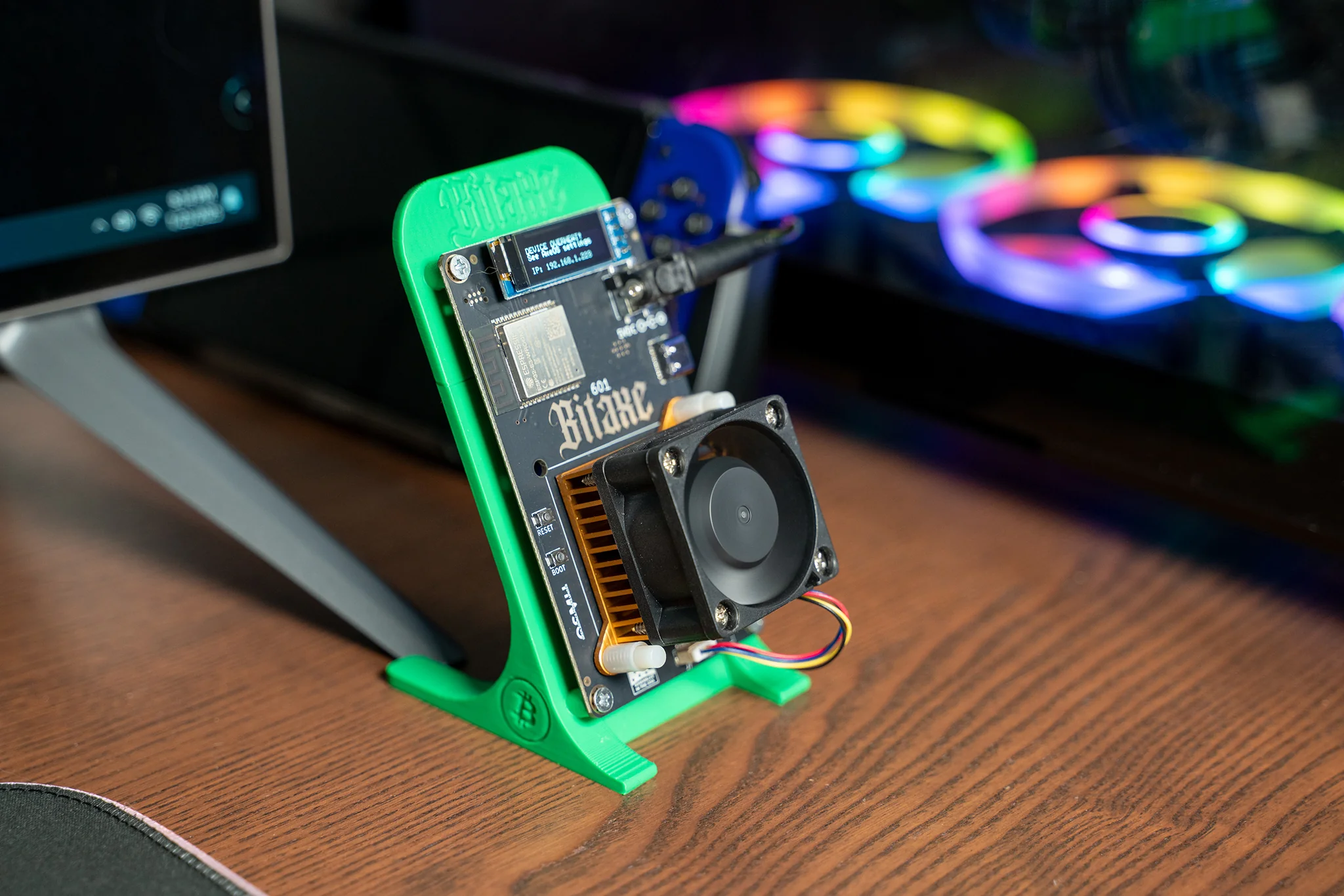
A lone Bitcoin miner with only 6 terahashes per second of hashpower mined a full BTC block, earning 3.146 BTC plus fees worth nearly $265,000. The miner had just a one in 180 million chance of solving a block on any given day, controlling only 0.0000007% of Bitcoin’s total network hashpower.
This event marks one of the luckiest solo-mined blocks in recent memory, highlighting the rarity of such occurrences as Bitcoin’s hashrate continues to climb. A lone Bitcoin miner running roughly 6 terahashes per second of hashpower — an amount so small it barely registers on the network — mined a full BTC block on Friday, earning 3.146 BTC plus fees worth nearly $265,000.
The feat was confirmed by Solo CK pool creator Con Kolivas, who noted the miner had “only a one in 180 million chance” of solving a block on any given day. Congratulations to extremely lucky miner 3K99~Ct8M with only SIX TH for solving the 308th solo block at https://t.co/UWgBvLkDqc. A miner of this size has only a a in 180 million chance of solving a block each day! https://t.co/Jx3fTUlaIepi
The winning miner controls just 0.0000007% of Bitcoin’s total network hashpower, which recently hit a record 855.7 exahashes per second. The block is the 308th ever mined through CKpool since the software launched in 2014, and the first in roughly three months. CKpool allows miners to solo mine while using the pool’s infrastructure, meaning the winning address keeps the entire block reward minus a 2% fee.
Friday’s win is one of the luckiest solo-mined blocks in recent memory. In 2022, a solo miner with 126 TH/s beat odds of roughly 1 in 1.3 million to secure a block, but the scale of Friday’s gap between miner size and network hashrate makes this latest outcome far more improbable.
The winning wallet had submitted shares to the pool as usual, but with only 6 TH/s — the kind of hashrate produced by a single old-gen ASIC — the miner would not normally expect to find a block in hundreds of years of continuous mining. Solo mining has become increasingly rare as Bitcoin’s hashrate climbs, making the network more secure but reducing the probability that small miners can capture a block.
- A Year of Blockchain Tech In Review, 2024
- Rumble Joins With Tether to Introduce Bitcoin Tipping For its 51 Million Users
- Ledger Unveils New Flex Hardware Wallet at Bitcoin Nashville
- Magic Leap, Google Unveil New Android XR Smart Glasses
- Pebble Reboots its Thinnest Smartwatch With The Pebble Round 2
- The Real Shitcoin: South Korean Toilet Turns Feces into Digital Currency