








































































































































































































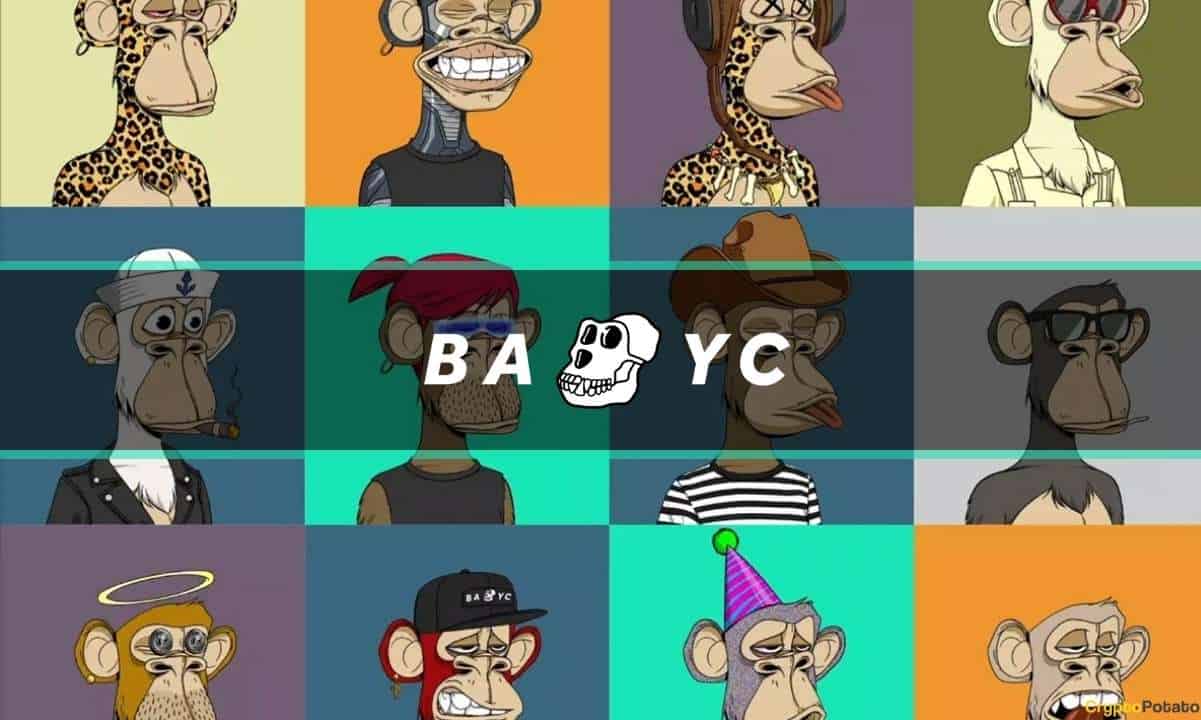
Judge Fernando M. Olguin of the U.S. District Court for the Central District of California dismissed the lawsuit against Yuga Labs, concluding that Bored Ape NFTs do not satisfy the legal requirements of a security under the Howey test. The ruling, issued Thursday, found no “common enterprise” linking NFT holders’ financial success to Yuga Labs’ operations.
The court stated that the NFTs were purchased through third-party marketplaces such as OpenSea and Coinbase, rather than an exchange operated by Yuga Labs. This difference distinguishes BAYC from prior cases, such as Dapper Labs’ NBA Top Shot NFTs and DraftKings NFTs, where courts found closer operational ties between issuers and secondary market activity.
Olguin’s ruling also noted that Yuga Labs’ receipt of royalties from secondary NFT sales further weakens any alleged shared financial structure. The company earned a fixed fee each time a Bored Ape changed hands, regardless of whether the buyer made a profit or incurred a loss. This arrangement, the judge stated, “decoupled” the financial interests of NFT holders and the company.
Creator royalties, which can reach up to 10% of each resale, have been a standard feature across NFT markets. In this case, the court found that such royalties pointed away from the existence of an investment contract since Yuga Labs benefited from sales activity without relying on holders’ speculative gains.
- What Trump’s Fed Pick Kevin Warsh Could Mean for Crypto
- Easy Access To Digital Assets: NFT Marketplace OpenSea Launches Email Wallet Creation Feature for Web3 Users
- Sotheby’s Is Auctioning NBA Top Shot NFTs
- Binance Faces Anti-Terror Lawsuit From Hamas Victims
- OCC Says Banks Can Hold Certain Cryptocurrencies To Pay Gas Fees in Latest Guidance
- Buy Now, Pay Later Giant Klarna Reveals Stablecoin Plans