











































































































































































































Nepal has been thrown into turmoil after a sweeping social media ban triggered some of the country’s most violent protests in recent years. The unrest, led largely by Gen Z angered by corruption and censorship, has left dozens dead, forced the resignation of Prime Minister K.P. Sharma Oli, and driven tens of thousands to adopt Jack Dorsey’s new decentralized messaging app, Bitchat.
A Ban That Backfired
The crisis began on September 4 when the government abruptly blocked 26 popular platforms, including Facebook, Instagram, WhatsApp, and YouTube. Officials said the restrictions were aimed at curbing misinformation and maintaining “social harmony.” For a country where more than half of its 30 million citizens are online, the move was deeply disruptive.
The timing could not have been worse. Anger had been mounting for months over allegations of corruption and the lavish lifestyles flaunted by political elites’ children, often under the hashtag #NepoKids. When the ban took effect, many saw it not as a regulation but as an attempt to silence dissent.
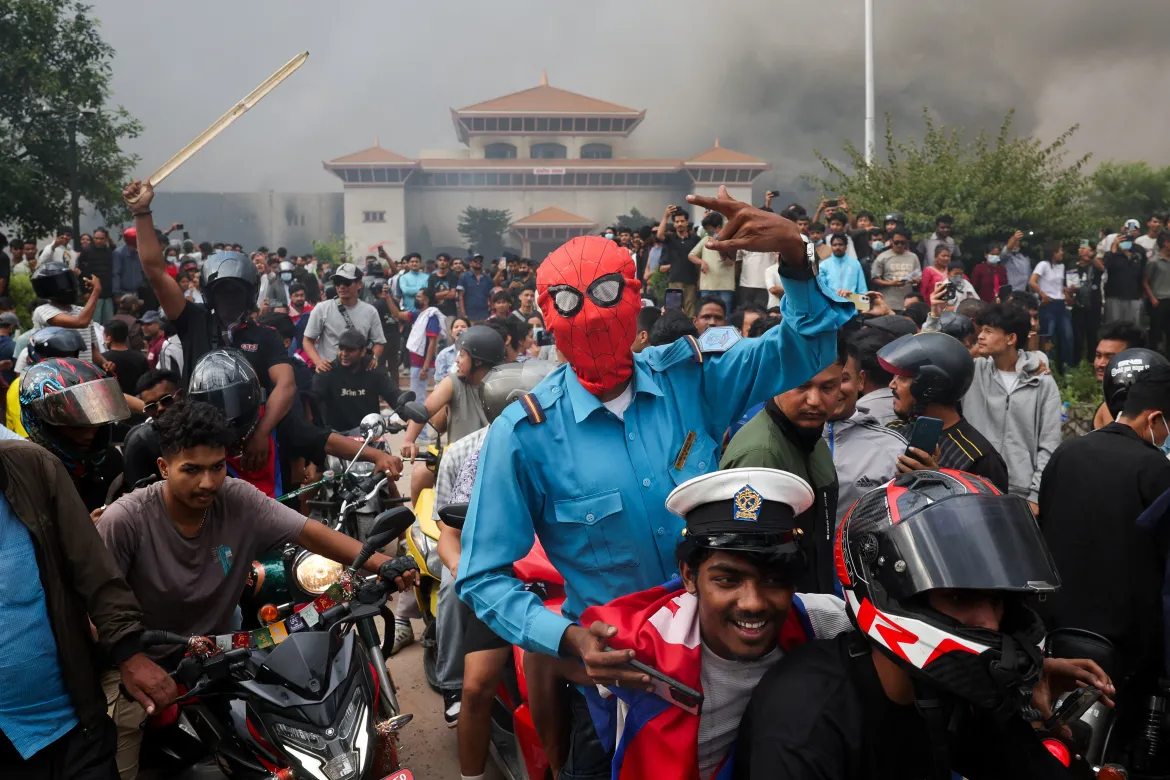
Within a few days, Kathmandu and other cities were packed with young protesters. What began as peaceful marches soon turned violent. Police opened fire, used rubber bullets, and used tear gas to break up the crowds. In return, demonstrators set the parliament on fire, stormed the Supreme Court, and attacked government offices. By September 9, Prime Minister Oli stepped down.
Deaths, Injuries, and a City Under Curfew
The toll has been heavy. At least 22 people were confirmed dead, though some reports suggest the figure could be higher. Over a thousand people were injured in the clashes. By September 10, the government had imposed a curfew in Kathmandu, with troops patrolling the streets as fears of more violence grew. What started as anger over social media restrictions quickly turned into a much bigger movement, one rejecting corruption, inequality, and years of poor governance.
Turning to Alternative Technology
As mainstream platforms went dark, Nepalis scrambled to find new ways to communicate. VPN sign-ups surged by 6,000% in just three days, according to Proton VPN. But when rumors spread of a possible nationwide internet blackout, many turned to a different solution altogether: Bitchat. Launched only in July by Twitter (now X) Co-Founder Jack Dorsey and open-source developer “Calle,” Bitchat relies on Bluetooth mesh technology. It allows encrypted messages to hop between nearby devices without the need for internet access, SIM cards, or personal accounts.
Each phone becomes a node, extending the range of the network. Downloads in Nepal soared from just 3,344 a week earlier to nearly 49,000 by September 8. The spike dwarfed a similar surge in Indonesia earlier this month, where Bitchat had been adopted during protests against government perks and economic inequality.
“Today we are seeing an even bigger jump from Nepal amid youth protests against government corruption and a social-media ban,” Calle posted online. Bitchat’s features made it particularly attractive in crisis conditions. In addition to anonymous sign-ups, the app offers a “panic mode” that instantly wipes all data from a device with three taps.
Digital Platforms as the Protest Engine
While Bitchat provided a lifeline on the ground, other digital platforms continued to shape the movement. Many activists shifted to Discord, where one Nepali server grew to more than 145,000 members. There, debates turned to possible interim leadership, with former Chief Justice Sushila Karki emerging as one of the names discussed.
The now-infamous hashtag #NepoKids had already inflamed resentment before the ban. Posts comparing the designer clothes and luxury trips of politicians’ children with the economic struggles of ordinary families circulated widely. “This fuelled the fire of anger that has been growing for a long time,” rights activist Sanjib Chaudhary observed. For many young Nepalis, the ban only reinforced the perception that leaders were out of touch. “Tech played… an almost decisive role,” journalist Pranaya Rana told AFP.
A Pattern Beyond Nepal
Nepal’s unrest comes on the heels of similar protests in Indonesia, where discontent over lawmakers’ benefits and economic stagnation turned violent. In Jakarta and other cities, at least six people died and thousands were arrested. There, too, citizens turned to decentralized messaging apps, with Bitchat downloads crossing 11,000 in days.
Google Trends data shows spikes in global searches for “bitchat download” tied closely to mass protests. The first surge came on August 21 during Indonesia’s protests, and the second spike was seen on September 8 in Nepal. It shows how people are increasingly turning to what’s now being called “freedom tech” — apps built to escape censorship and government surveillance.
The Bigger Picture: Encryption Under Fire
Nepal’s move toward decentralized apps ties into a bigger global issue. In Europe, lawmakers are pushing a “Chat Control” law that could make apps like WhatsApp, Telegram, and Signal let regulators scan messages before they even get encrypted.
Supporters say the law will help fight crime and protect children. Critics warn it could destroy privacy and open the door to mass surveillance. With 15 EU states already in favor, the final call may depend on Germany’s vote. If it passes, more people around the world could start moving to apps like Bitchat, Session, or Status.
Meta Still Rules the Game
Even with these new apps gaining attention, they’re still nowhere close to the big players. Meta, which runs Facebook, Instagram, WhatsApp, and Messenger, reported3.48 billion daily users in June 2025, a 6% jump from last year. This shows how much the world still depends on centralized apps. Tools like Bitchat may see spikes during protests, but in everyday life, Meta’s platforms remain unshaken.
Nepal at a Crossroads
By September 11, signs of calm were returning to Kathmandu. Reddit posts on the r/Nepal described easing tensions and the gradual reopening of daily life. The army has since expressed support for dialogue with protesters to restore order. The anger isn’t likely to fade soon. The protests have shown a clear divide between generations, with young Nepalis asking for accountability and transparency from leaders long accused of corruption. The government’s attempt to silence them has only backfired, creating more frustration instead of reducing it.
One activist put it bluntly: “The government seriously underestimated the power of social media.” Nepal now faces a bigger challenge. It is not only about restoring political stability but also about finding a balance between governance and digital freedom. The events of the past week may well prove to be a turning point in how the country manages both.
- Gwacheon City in South Korea Introduces System to Seize Crypto From Tax Dodgers
- Saudi Arabia Joins BIS & China Led Central Bank Digital Currency Project
- The United Kingdom Plans Stablecoin, Staking Legislation Within 6 Months
- Telefónica Partners With Helium to Roll Out Mobile Hotspots in Mexico
- United Arab Emirates Central Bank Unveil Wholesale-Retail Digital Dirham Plan
- Absa Bank Partners with Ripple to Expand Digital Asset Custody Offering in South Africa