















































































































































































































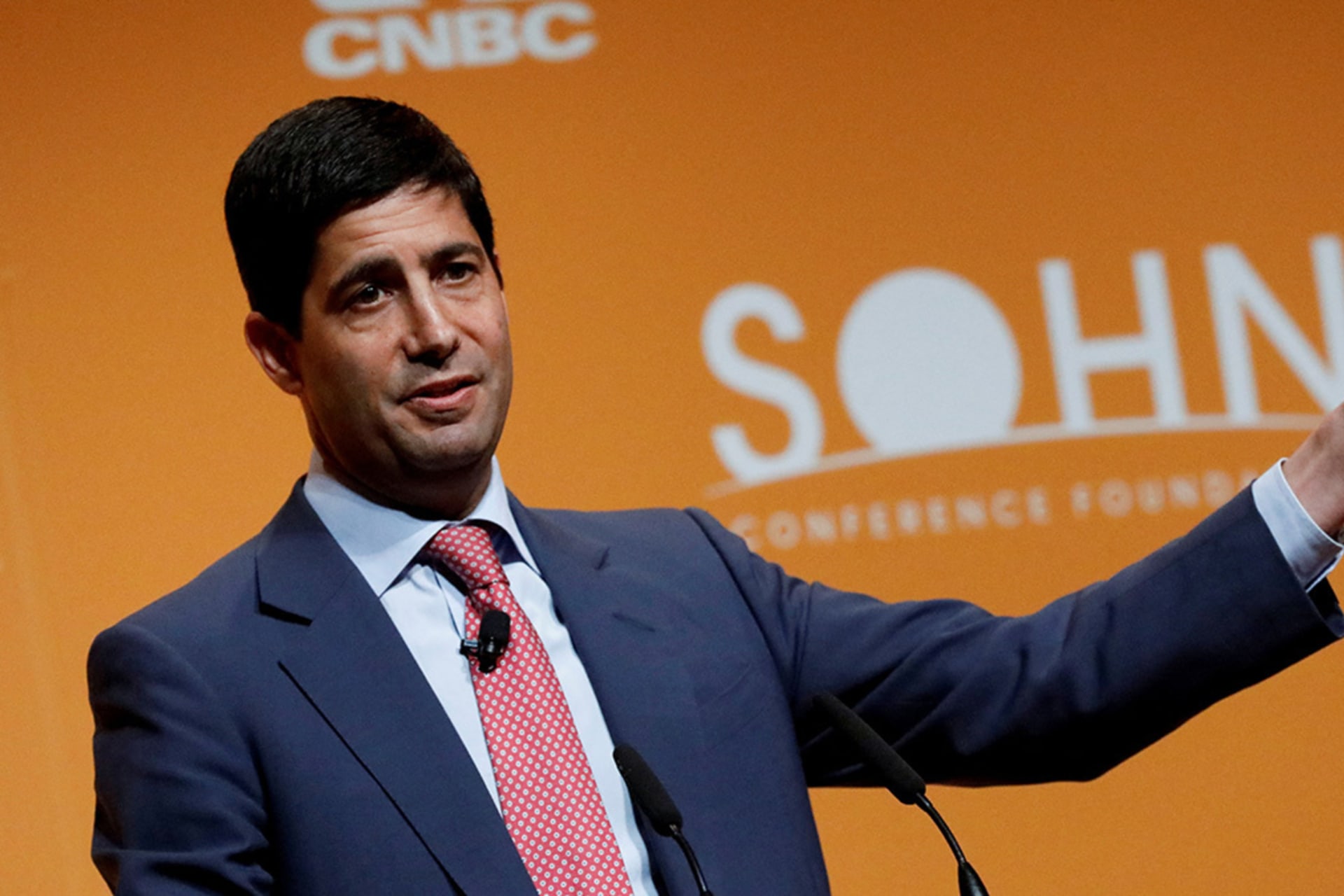
President Donald Trump has nominated former Federal Reserve governor Kevin Warsh to be the next chair of the U.S. Federal Reserve, a choice that is already stirring debate across financial and crypto markets as investors weigh how his views on rates, liquidity and digital assets could shape the year ahead.
Warsh’s Background and Market Reaction
Warsh served on the Fed’s Board of Governors from 2006 to 2011 and played a key role during the 2008 financial crisis. His nomination to replace Jerome Powell has drawn attention because of his mixed record on cryptocurrency and broader monetary policy views — including past comments that many private crypto projects were “fraudulent” and “worthless,” though he has also acknowledged Bitcoin’s technological strengths. The initial market response saw crypto prices slipping on uncertainty, as traders reassessed risk-asset positioning amid the shift in central bank leadership.
Monetary Policy: Rates and Liquidity
One reason Warsh’s nomination matters to crypto is his more nuanced stance on interest rates. While Trump and his team publicly want lower borrowing costs, Warsh has a history of both advocating for disciplined monetary policy and suggesting the costs of tight policy can be high — a balance that could mean the Fed doesn’t rush into aggressive rate cuts even under political pressure. Lower rates can buoy risk assets like Bitcoin and altcoins, but Warsh also champions reducing the Fed’s balance sheet — a contraction in liquidity that could make risk assets less attractive over the long term, according to market observers.
Crypto and Digital Assets
On crypto specifically, Warsh’s views are mixed and evolving. He’s been critical of some cryptocurrencies as speculative software rather than money, yet his nomination signals a willingness to engage with digital assets as part of broader macroeconomic policymaking. Some analysts argue that Warsh’s history — including engagement with digital-currency policy — could help clarify how the Fed views Bitcoin, stablecoins and tokenized markets under future monetary regimes.
Risk Assets and Market Structure
Warsh’s approach could mark a shift from the “Fed put” — the belief that the central bank will step in to support markets at the first sign of weakness — toward a regime that prioritizes structural stability over liquidity-driven rallies. That framework may make risk assets such as cryptocurrency and growth tech stocks more volatile in response to macro data and rate expectations, even if nominal rates move lower.
Uncertainty, Confirmation and Volatility
Warsh still faces potential confirmation hurdles in the Senate, and markets may remain sensitive to political dynamics around his nomination. As traders price in a possible Warsh era, volatility could remain elevated — not just from interest-rate paths but from how the Fed communicates policy and balances independence with political expectations.
- Pennsylvania Man Convicted For Omitting More Than $13M in NFT Sales
- Senate Democrats Probe Binance-Trump Ties Amid $2B Deal
- OCC Allows Banks to Engage in Crypto Without Prior Approval
- Crypto.com Gets Conditional U.S. Approval for National Trust Bank Charter
- U.S. DOJ, Europol Seize World’s Largest Dark Web Drug Market Operating via Monero
- Trump Campaign Refunds Winklevoss Twins After Bitcoin Donations Exceed Limit