
















































































































































































































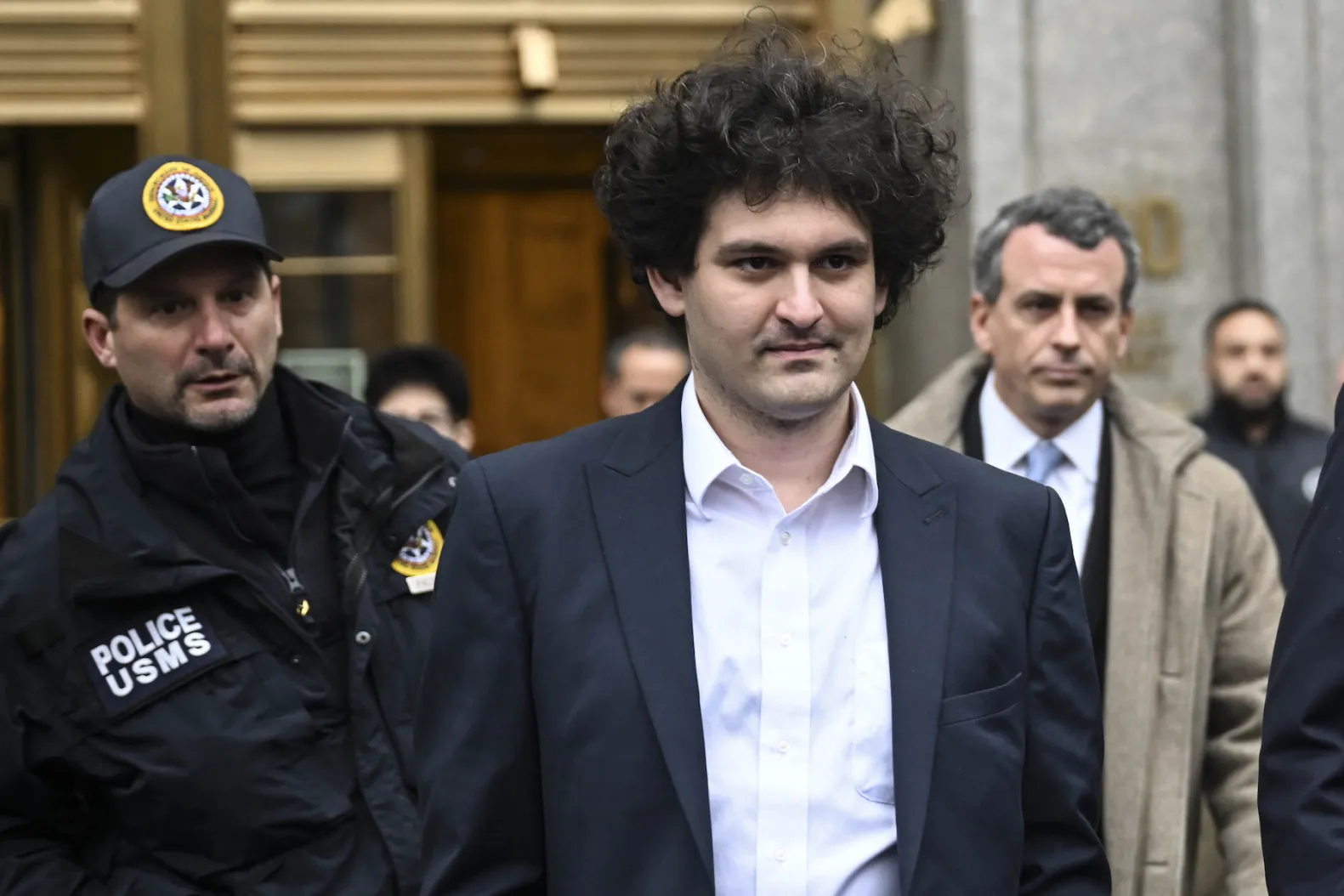
The U.S. Senate has unanimously passed a bipartisan resolution declaring that FTX founder Sam Bankman-Fried should “under no circumstances” receive executive clemency, including a presidential pardon or sentence commutation. The symbolic measure, introduced by Senator Cynthia Lummis (R-WY) and Senator Rubén Gallego (D-AZ)—the Republican and Democratic leaders of the Senate Banking Committee’s Digital Assets Subcommittee—comes after Bankman-Fried formally petitioned for clemency while serving his 25-year prison sentence for orchestrating one of the largest financial frauds in U.S. history.
Although the resolution carries no legal force and cannot restrict the president’s constitutional pardon authority, it represents a rare moment of unanimous bipartisan agreement and sends a powerful political message that lawmakers believe Bankman-Fried should remain accountable for the collapse of FTX and the billions of dollars lost by customers.
A Rare Bipartisan Consensus
The resolution, S. Res. 772, passed the Senate by unanimous consent, meaning no senator objected to its adoption.
The measure states that Bankman-Fried should not receive:
- A presidential pardon.
- A sentence commutation.
- Any other form of executive clemency.
Its sponsors emphasized that granting clemency would undermine confidence in the U.S. justice system and weaken accountability for large-scale financial fraud.
Lummis and Gallego Lead the Effort
The resolution was jointly introduced by two lawmakers who have played major roles in shaping U.S. digital asset legislation.
Senator Cynthia Lummis, one of Congress’ strongest advocates for cryptocurrency regulation and innovation, argued that support for blockchain technology should never be confused with leniency toward financial crimes.
Meanwhile, Senator Rubén Gallego echoed the sentiment, making clear that individuals responsible for defrauding customers should face the full consequences of their actions regardless of their role within the crypto industry.
Bankman-Fried’s Clemency Request Faces Growing Opposition
The Senate action follows Bankman-Fried’s formal application for executive clemency after exhausting many of his legal appeals.
He was convicted on seven criminal counts related to the collapse of FTX, including:
- Wire fraud.
- Securities fraud.
- Commodities fraud.
- Money laundering conspiracy.
Federal prosecutors described the case as one of the largest financial frauds in American history, involving billions of dollars in missing customer funds.
The Resolution Is Symbolic, Not Legally Binding
While the Senate’s vote was unanimous, it does not prevent the president from granting clemency.
Under Article II of the U.S. Constitution, the president retains broad authority to issue pardons or commute federal sentences. As a result, S. Res. 772 serves as an expression of the Senate’s position rather than a legal restriction on presidential power.
Even so, the overwhelming bipartisan support significantly increases the political pressure surrounding any future clemency decision.
A Different Standard Than Other Crypto Figures
The Senate’s position stands in contrast to recent executive clemency granted to several prominent figures connected to the crypto industry.
Lawmakers have consistently distinguished regulatory violations from cases involving widespread customer fraud and misuse of client assets. The unanimous vote suggests there is little political appetite in Washington to extend similar treatment to the former FTX CEO given the scale of the losses suffered by customers and investors.
FTX Continues to Shape Crypto Policy
Nearly four years after the collapse of FTX, its impact continues influencing digital asset regulation worldwide.
The scandal accelerated efforts to strengthen:
- Consumer protections.
- Exchange transparency.
- Custody requirements.
- Proof-of-reserves initiatives.
- Regulatory oversight of centralized exchanges.
Many of today’s proposed crypto regulations can be traced directly to lessons learned from FTX’s collapse.
- U.S. Drops Plan To Prosecute Convicted SBF For Over $100M in Unlawful Campaign Donations
- U.S. DOJ, Europol Seize World’s Largest Dark Web Drug Market Operating via Monero
- Kalshi and Polymarket Crack Down on Insider Trading as U.S. Lawmakers Move to Ban Prediction Markets
- Fed is Studying Tokenization, Smart Contracts, and AI in Payments, says Governor Waller
- Hawk Tuah Girl Says SEC Dropping Probe Into Solana Meme Coin: TMZ
- Google Says it’s Not Restricting Non-Custodial Crypto Wallets After Post Suggested Otherwise