
















































































































































































































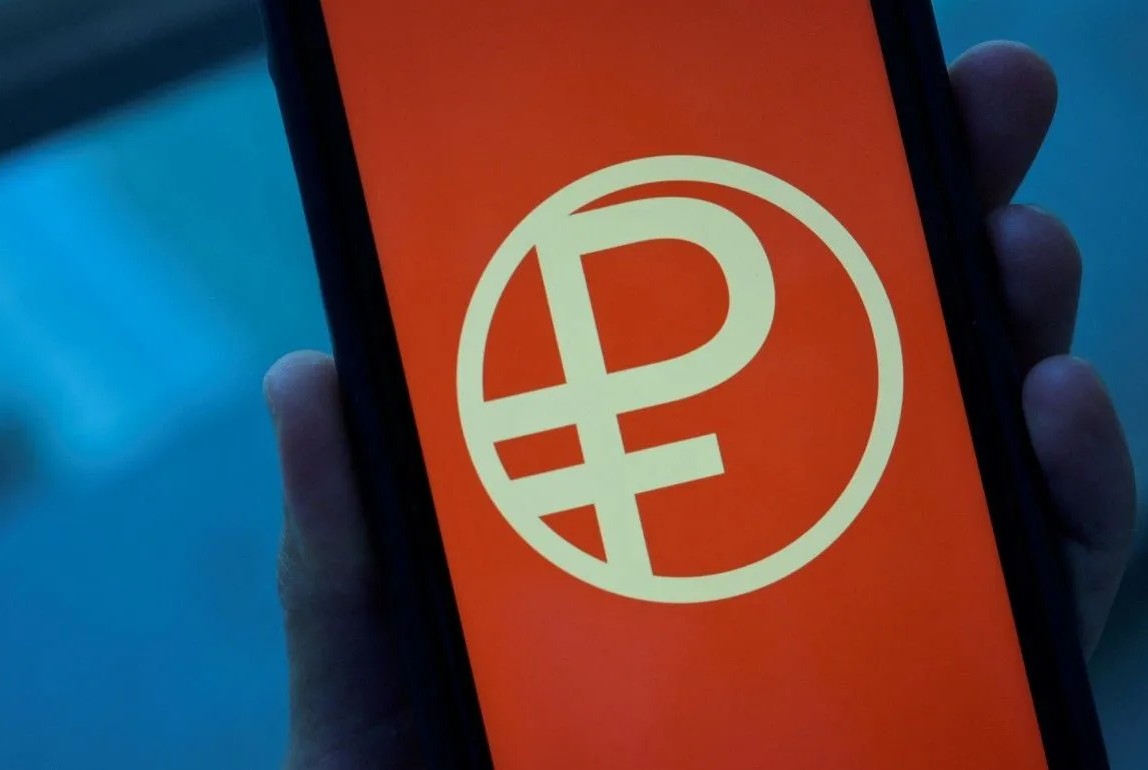
Russia’s digital ruble is moving from a limited central bank experiment into everyday commerce, with major telecom companies MTS, Rostelecom and MegaFon preparing to accept the country’s central bank digital currency for customer payments beginning September 1.
The rollout puts some of Russia’s largest recurring-payment businesses among the first major companies to integrate the digital ruble, as the country begins the first mandatory phase of its nationwide CBDC expansion.
Major online marketplaces Wildberries and Ozon are also preparing to accept digital rubles beginning September 1.
MTS, Rostelecom and MegaFon Add Digital Ruble Payments
MTS will initially offer the most extensive integration. Customers will be able to pay with digital rubles through the My MTS app and MTS online store, with support extending to services using the company’s MTS Pay payment module.
The payment process will work similarly to Russia’s existing Faster Payments System. Customers select digital rubles at checkout, choose a participating bank and authorize the transaction through their banking app.
Rostelecom plans to begin with one-time payments through its website before eventually expanding into customer accounts, recurring payments and automatic top-ups.
MegaFon is also preparing digital ruble support, while VimpelCom, operator of Beeline, has not announced whether it will participate.
September 1 Marks a Much Bigger CBDC Rollout
The telecom launches coincide with Russia’s first mandatory commercial adoption deadline.
Beginning September 1, 2026, qualifying businesses with more than 120 million rubles in annual revenue must provide customers with the ability to pay using digital rubles if they meet the applicable banking requirements.
The rollout will expand in stages:
- September 2026: Qualifying businesses above 120 million rubles in annual revenue
- September 2027: Qualifying businesses above 30 million rubles
- September 2028: Additional merchants and banks enter the system
- Certain small businesses and locations without internet access are exempt
Russia’s largest banks are also required to begin providing digital ruble services to customers in September.
Digital Ruble Wallets Will Live at Russia’s Central Bank
Unlike money held in a conventional bank account, digital rubles are stored on infrastructure operated by the Bank of Russia.
Commercial banks provide the interface customers use to access those funds, but the underlying digital ruble accounts exist on the central bank’s platform.
One digital ruble is worth exactly one conventional Russian ruble.
Customers can transfer money from an ordinary bank account into their digital ruble wallet and then use those funds for participating payments.
The Bank of Russia plans to limit transfers from personal bank accounts into digital ruble wallets to 300,000 rubles per bank each month.
Consumers Get Free Digital Ruble Payments
Russia is also attempting to encourage adoption through low transaction costs.
Consumers will pay no platform fees when using digital rubles to make purchases or transfer funds to other individuals.
Businesses will also receive a temporary break:
- 0% merchant fee through the end of 2026
- Beginning in 2027, most customer-to-business transactions will carry a 0.3% fee
- The fee will be capped at 1,500 rubles per transaction
For telecom companies processing millions of relatively small monthly payments, lower transaction fees could become one of the digital ruble’s biggest incentives.
Russia Is Choosing CBDCs While Restricting Crypto Payments
The rollout highlights an important distinction in Russia’s approach to digital assets.
The government is embracing blockchain-inspired digital money, but it wants that money operating under central bank control.
The digital ruble is considered a third form of Russia’s national currency alongside:
Cash rubles → bank-account rubles → digital rubles.
Bitcoin and other decentralized cryptocurrencies, meanwhile, remain prohibited as ordinary domestic payment methods. Russia has allowed certain crypto investment and cross-border applications while keeping private digital assets separate from its domestic payment system.
Russia Is About to Put Its CBDC Into Everyday Life
Russia began piloting the digital ruble with a limited number of banks and users in 2023.
September 1 represents a much bigger test.
Instead of demonstrating the technology through controlled experiments, the digital ruble will become available across services millions of Russians already use — mobile phones, internet services and online shopping.
The first major participants include:
- MTS
- Rostelecom
- MegaFon
- Wildberries
- Ozon
- Major Russian banks
The biggest question now isn’t whether Russia can technically create a CBDC payment system. The Bank of Russia says that infrastructure is ready.
It’s whether consumers will actually choose to use it when cash, cards and existing instant-payment systems already work.
- Robinhood Considers Listing Bitcoin and Crypto Futures in U.S. and Europe
- BRICS Group Collaborates on Independent Payment System Using Blockchain and Digital Currency
- Japan’s Open House to Accept DOGE, SOL and XRP for Real Estate Amid Friendlier Regulatory Climate
- Regulated Tokenized U.S. Treasurys Are Coming On-Chain, But Not Available in The U.S.
- Detaching From The Dollar: BRICS Inducted 5 New Countries in January 2024 Including Saudi Arabia, the United Arab Emirates, Egypt, Iran, and Ethiopia
- GoPro Hero10 review: one small step for the action cam, one big leap for GoPro