














































































































































































































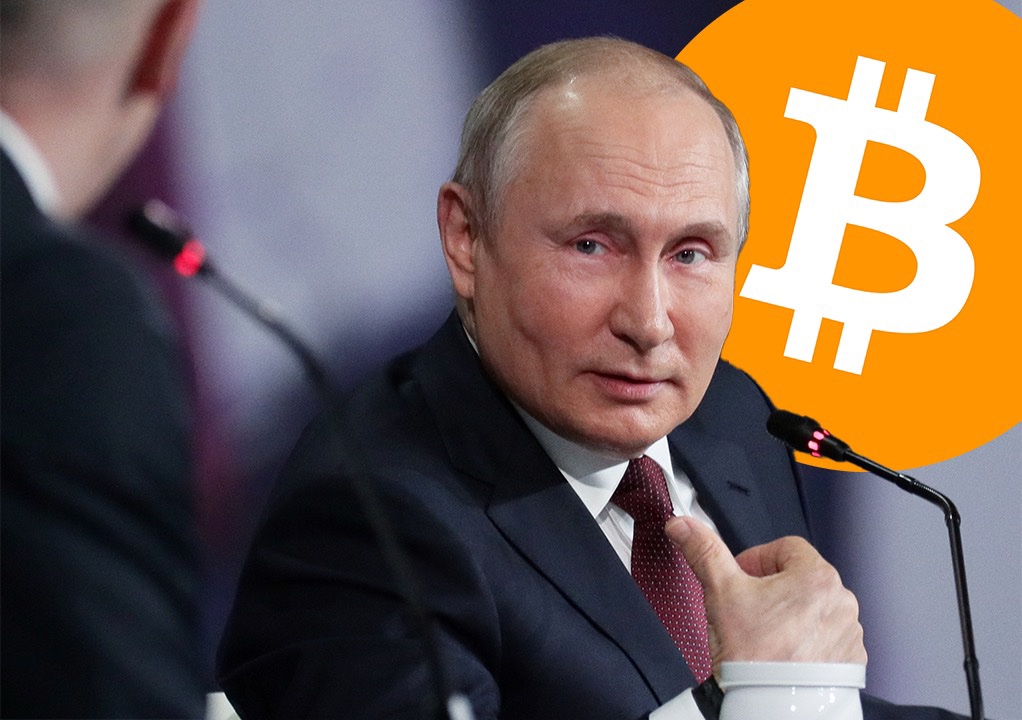
Russia has made a significant move in the crypto world by officially recognizing Bitcoin and other digital currencies as property for foreign trade settlements. President Vladimir Putin signed a new law under an experimental legal regime (ELR), aiming to integrate cryptocurrencies into the nation’s economy while maintaining strict oversight.
The new law simplifies certain tax rules for crypto operations. Crypto transactions under the ELR will be tax-free, and mining or selling cryptocurrencies will not incur value-added tax (VAT). However, mining facility operators must report client details to tax authorities or face fines of 40,000 rubles, approximately $371. For individual crypto traders, income from buying, selling, or trading digital currencies will be taxed on a tiered system. Earnings up to 2.4 million rubles will be taxed at 13%, while income beyond that will be taxed at 15%.
Miners, on the other hand, will classify their earnings as “income in kind,” taxed at market value, with deductions allowed for mining expenses. Corporate entities involved in mining will face a 25% corporate tax from 2025. The law restricts miners and traders from accessing special tax benefits, like simplified tax systems or agricultural exemptions. This ensures tighter regulation over crypto operations.
Although this is not Russia’s first crypto law. In August, new regulations were introduced to oversee large-scale mining, limiting it to registered entities. This latest law builds on that, providing a structured approach to crypto integration. Amid increasing sanctions, Russia appears to be leveraging crypto to bypass traditional financial systems. By offering tax incentives while imposing clear rules, the Kremlin is balancing innovation with control, aiming to position itself as a major player in the global digital economy.
- Discovery Bank Teams with Luno to Bring Crypto Trading to South Africa
- Ripple Launches First Tokenized Money Market Fund on XRP Ledger Through UK Partnership
- PayPal USD Launches Natively on Polygon to Expand Global Stablecoin Payments
- Crypto Tracing Leads to Arrest in Global Child Abuse Network Takedown
- Japanese Lawmaker Named Satoshi Pushes for National Bitcoin Reserve
- India’s IndusInd Bank Pilots Cenbank’s e-Rupee Payments Program with Farmers