

















































































































































































































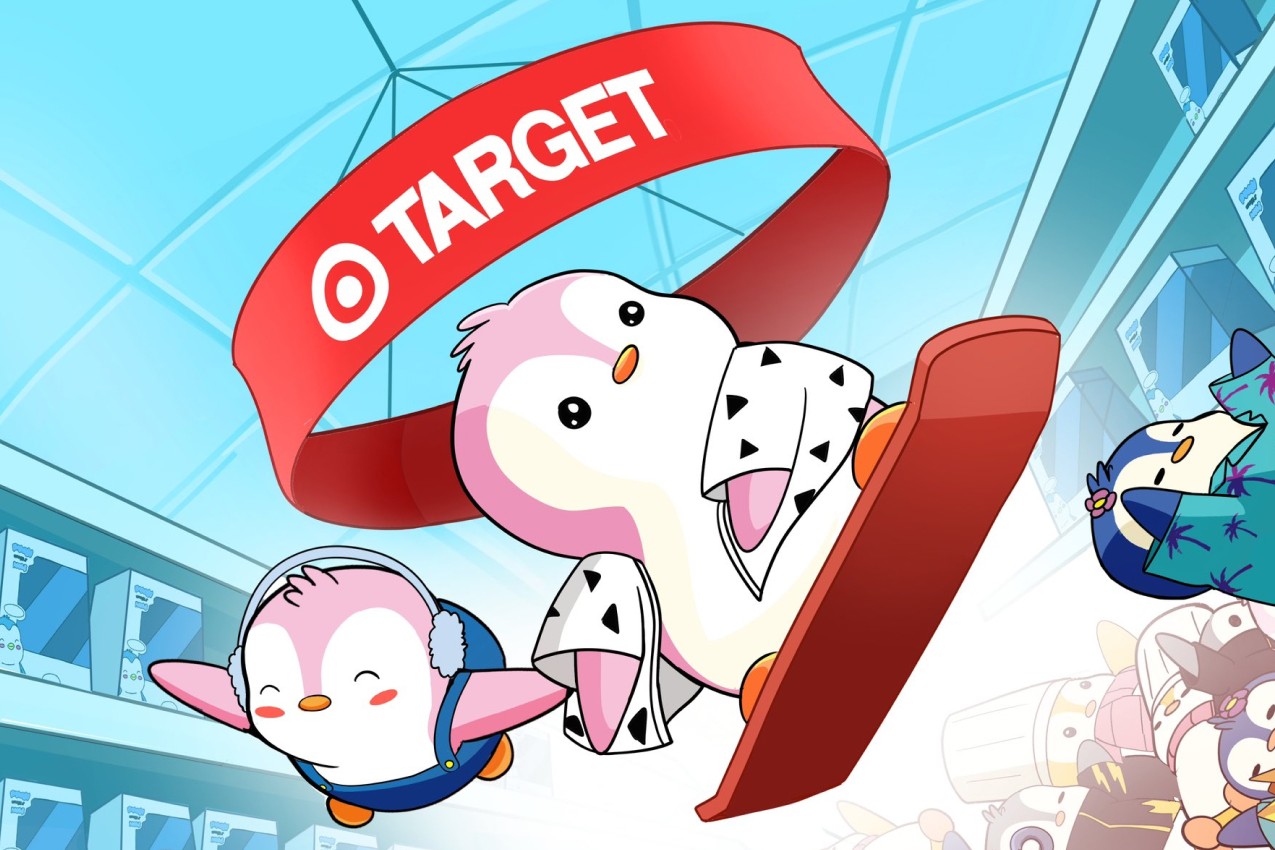
Pudgy Penguins is continuing its transformation from a popular NFT collection into a mainstream consumer brand with the nationwide launch of its Vibes Series 3 Trading Card Game at Target stores across the United States. The expansion marks the project’s largest retail rollout to date and further demonstrates how one of Web3’s most recognizable NFT brands is building a business far beyond digital collectibles.
The latest release increases the total number of Vibes trading cards in circulation to approximately 15 million, underscoring Pudgy Penguins’ strategy of using physical products to introduce millions of new consumers to its intellectual property without requiring them to own cryptocurrency or NFTs.
Pudgy Penguins Lands in Thousands of Target Stores
The nationwide rollout brings Vibes Series 3 to Target locations across the U.S., significantly expanding the trading card game’s retail presence. Developed in partnership with Orange Cap Games, the newest release introduces additional gameplay mechanics, new original artwork, and characters from the Moonbirds NFT collection.
According to the announcement, the launch represents the biggest retail expansion in the game’s history and is another step toward turning Pudgy Penguins into a globally recognized entertainment franchise rather than simply an NFT collection.
From NFTs to a Consumer Brand
Since launching on Ethereum, Pudgy Penguins has steadily expanded beyond digital collectibles.
Over the past several years, the project has introduced:
- Collectible toys
- Plush products
- Trading cards
- Mobile and browser games
- Brand licensing
- Entertainment initiatives
This strategy has helped the project reach audiences far outside the traditional crypto community. Instead of asking consumers to purchase NFTs first, Pudgy Penguins has focused on creating recognizable consumer products that build awareness of the brand.
Retail Success Began With Walmart
The Target expansion builds on the project’s earlier retail success.
In 2023, Pudgy Penguins launched its toy line in more than 2,000 Walmart stores across the United States. According to CEO Luca Netz, the company sold more than one million toys during the following year, making it one of the most successful examples of an NFT project entering traditional retail.
Unlike many NFT collections that struggled after the 2022 market downturn, Pudgy Penguins has focused on generating revenue through physical merchandise and licensing rather than relying solely on digital collectible sales.
NFT Holders Continue Earning Licensing Revenue
A key component of Pudgy Penguins’ business model is its community-driven licensing program.
Owners of individual Pudgy Penguins NFTs can license their characters for use on approved consumer products and receive 5% of the net revenue generated from merchandise featuring their specific penguin. This allows NFT holders to participate directly in the commercial success of the brand while retaining ownership of their digital assets.
The model has become one of the most frequently cited examples of how NFT intellectual property can extend into traditional consumer markets.
Gaming Strategy Continues to Evolve
The company has also expanded aggressively into gaming.
Following the launch of the Pengu Clash game on The Open Network (TON) in 2025, Pudgy Penguins released the mobile game Pudgy Party, which surpassed one million downloads. However, the company recently announced it would discontinue development of Pudgy Party to concentrate resources on Pudgy World, its browser-based social gaming platform.
The shift reflects the company’s broader goal of creating a long-term entertainment ecosystem centered around the Pudgy Penguins brand rather than focusing on individual games.
NFT Brands Continue Moving Into Mainstream Retail
Pudgy Penguins remains one of the few NFT projects that has successfully translated digital intellectual property into large-scale retail distribution.
While many NFT collections have struggled with declining trading volumes and market speculation, Pudgy Penguins has prioritized building recognizable consumer products that appeal to mainstream audiences regardless of whether customers participate in Web3. The expansion into Target further strengthens that strategy by placing the brand alongside traditional collectibles and trading card franchises in one of America’s largest retail chains.
- NFT Sales Hit $8.8 Billion in 2024, Despite Mixed Market Trends
- Shaq Agrees to $11 Million Settlement in Solana NFT Lawsuit
- Top NFT Brand Pudgy Penguins to Release $PENGU Token
- Unserious Acquires Creepz NFT Brand as Original Creator Returns to Lead Revival
- NFT Marketplace Few and Far Founder Charged in $10 Million Fraud Scheme That Allegedly Funded Gambling and DJ Career
- New NFL Rivals Season Adds ‘Biggest Upgrade’ Since NFT Marketplace