
















































































































































































































107
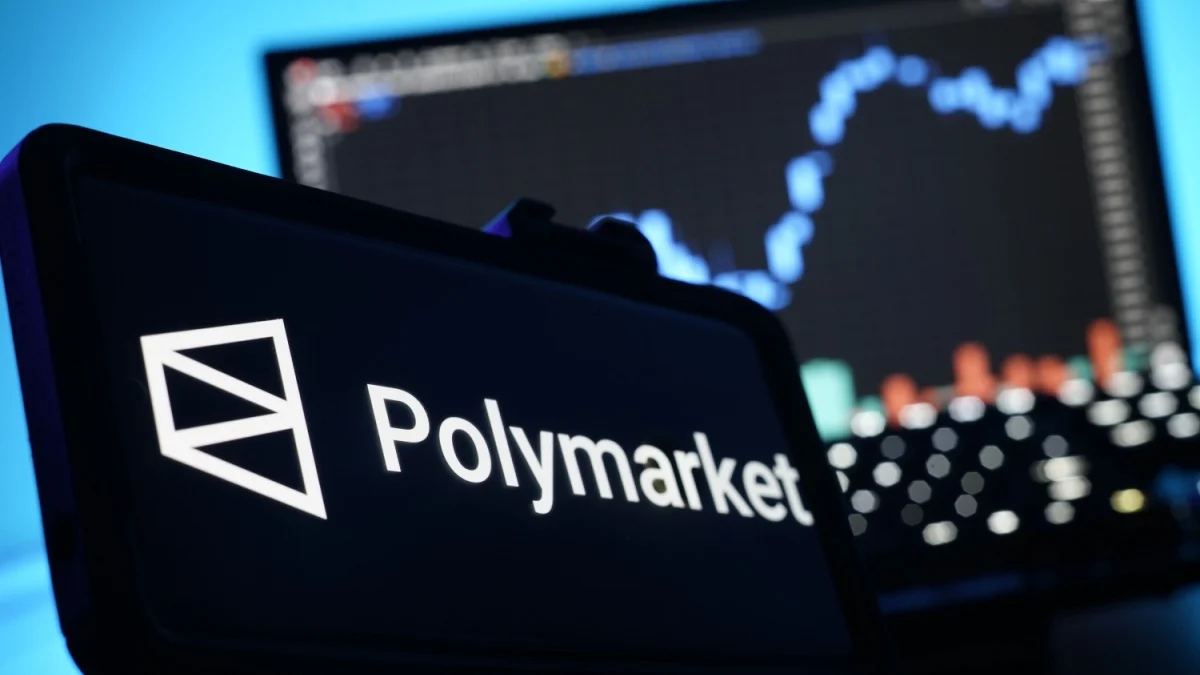
Crypto prediction platform Polymarket has officially begun its return to the United States, marking a major shift in the fast-expanding event-prediction industry. The move follows a long regulatory battle and rising competition from rivals like Kalshi, as prediction markets attract record user activity and investor capital. In an announcement on X, Polymarket said its U.S. app is now being rolled out to users who joined its waitlist, giving them first access to the relaunched platform. The initial version includes sports prediction markets, with everything market, including politics, crypto, tech, and global events, set to follow.
The phased launch comes shortly after the U.S. Commodity Futures Trading Commission (CFTC) issued a no-action letter to the crypto derivatives exchange and clearinghouse Polymarket recently acquired. The ruling effectively allowed Polymarket to operate an intermediated, regulated trading platform in the U.S., clearing the way for its return.
Polymarket originally exited the United States in 2022 after the CFTC charged it for offering unregistered event-based contracts, resulting in a $1.4 million settlement. The platform also came under scrutiny from the Department of Justice (DOJ) during the former President Joe Biden administration, including an FBI raid on CEO Shayne Coplan’s residence during the 2024 election cycle. The DOJ dropped its investigation in July.
The company’s comeback now places it on equal regulatory footing with Kalshi, which has operated as a CFTC-approved exchange since 2021. Kalshi’s regulatory advantage had long positioned it as the frontrunner in the U.S. market. Polymarket’s re-entry comes at a time when prediction markets are experiencing explosive growth. The platform hit an all-time high trading volume of $3.73 billion and nearly half a million active traders in November.
It also raised $2 billion in October, valuing the company at $8 billion. Analysts expect the return to U.S. operations to push Polymarket toward a valuation between $10–15 billion. Kalshi, meanwhile, recently secured a massive $1 billion funding round at an $11 billion valuation. It has also expanded into blockchain-native markets by launching tokenized prediction markets on Solana, a strategic move aimed at crypto-savvy users.
Both companies now stand as the world’s largest prediction platforms, with Kalshi recording approximately $3.6 billion in monthly volume and Polymarket just over $3.7 billion, according to Token Terminal. The larger ecosystem is also growing. On December 2, Trust Wallet released a native Predictions product to its 220 million users, enabling wallet-based trading of real-life events in sports, politics, entertainment, and crypto.
The feature is powered by Myriad Markets, with integrations for Kalshi and Polymarket integrations are planned. The shift is an indicator of the growing popularity of prediction markets as mainstream crypto products. Polymarket’s U.S. return marks one of the largest changes in prediction markets since the CFTC started to regulate the industry.
With both Polymarket and Kalshi now operating under U.S. oversight, and major apps like Trust Wallet entering the field, the industry is moving toward mainstream adoption. For traders, investors, and policymakers, this marks the beginning of a new competitive era shaped by regulation, technology, and surging public interest.
You Might Be Interested In
- Ohio Senator Introduces Bill to Allow Bitcoin, Crypto Payments for State Taxes
- Franklin Templeton, Van Eck and Blackrock Compete to Promote Bitcoin ETFs on Google Ads
- Grayscale HBAR ETF Advances as Nasdaq Submits 19b-4 Filing to SEC
- Crypto.com Files Suit Against SEC, Discloses Wells Notice
- Bitwise Files For 11 New Crypto ETFs Tracking Bittensor, Tron and Others
- BlackRock and Grayscale Among 11 Firms Approved For Spot Bitcoin ETFs in Long-Awaited SEC Decision