













































































































































































































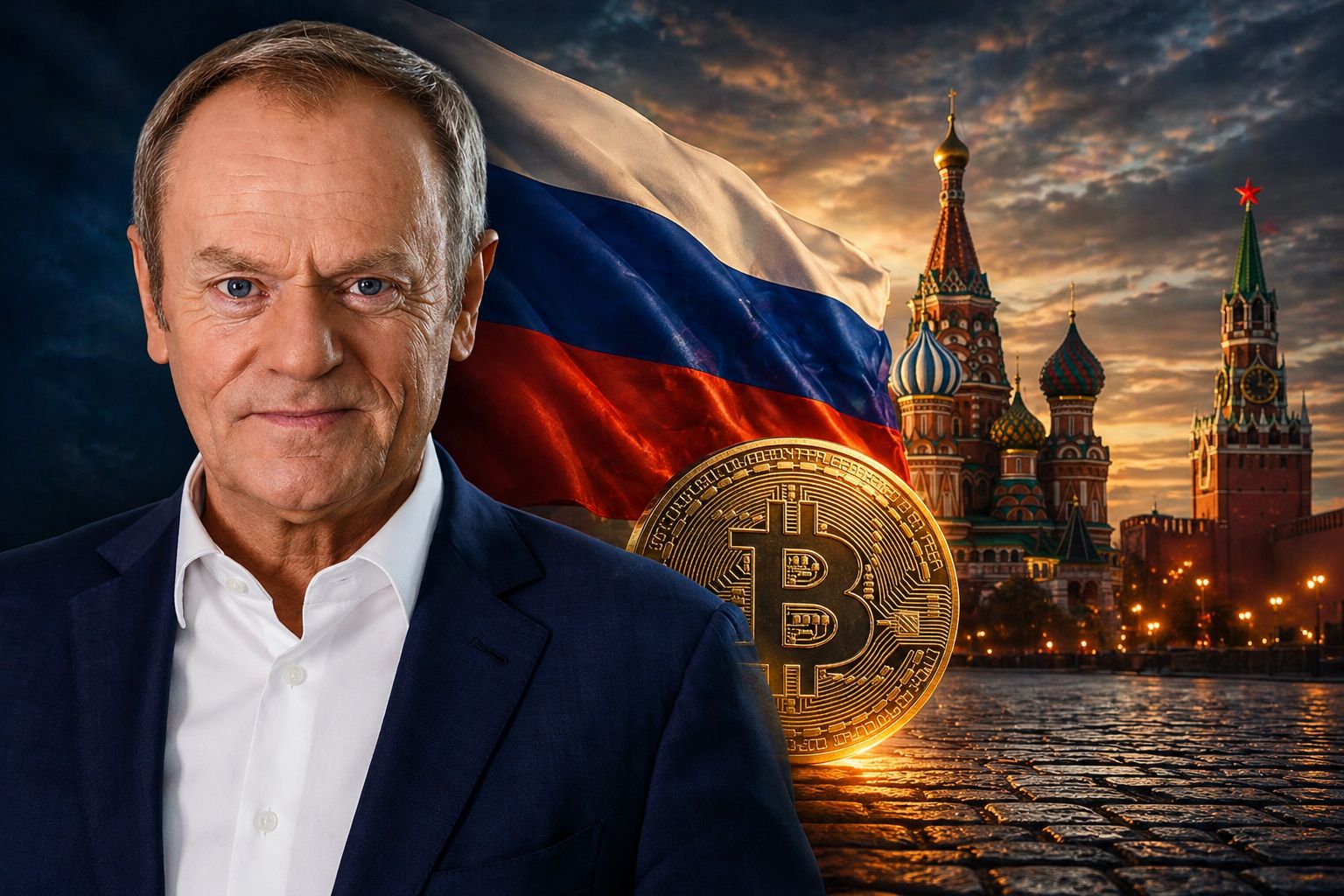
According to Donald Tusk, the funding behind Zondacrypto is tied to Russian sources connected to the “Bratva,” a term used to describe organized crime networks, as well as Russian security services. He argued that the company’s rise and financial backing are not purely market-driven, but instead linked to external influence that could impact Poland’s political and economic stability. Tusk also claimed the firm has been actively sponsoring political and social events, promoting specific political factions aligned with opposition groups.
Crypto Firm Allegedly Backed Political Rivals
The accusations go beyond financial ties, extending into direct political influence. Tusk stated that Zondacrypto helped support politicians from the former ruling Law and Justice party and the far-right Confederation, raising concerns about how crypto funding may be shaping political outcomes. He also pointed to the company’s role as a sponsor of a major CPAC event in Poland, where international figures publicly supported nationalist candidate Karol Nawrocki ahead of the presidential election.
Regulation Battle at the Center of the Conflict
The controversy is unfolding alongside an ongoing political battle over crypto regulation in Poland. Tusk suggested that opposition to new crypto laws may be influenced by ties to the company, arguing that blocking regulation could benefit entities with questionable funding sources. At the same time, political opponents have pushed back strongly, stating that the proposed regulations are flawed and could harm the domestic crypto market rather than protect it.
No Confirmed Evidence but Growing Tensions
While the allegations are serious, they remain claims made by the prime minister and have been denied by political opponents. Zondacrypto has not publicly responded in detail to the accusations but has stated it is cooperating with authorities reviewing the situation. This leaves a gap between political statements and verified findings, with investigations and regulatory debates still ongoing.
The Bigger Picture
This situation highlights how crypto is increasingly intersecting with national security and global politics. As digital assets become more integrated into financial systems, concerns around foreign influence, illicit funding, and regulatory control are becoming central to how governments approach the industry. In this case, crypto is no longer just a market discussion. It has become part of a broader geopolitical narrative where finance, technology, and political power are deeply connected.
- Indian City of Raipur Puts Real Estate Records on Blockchain With Airchains
- Samsung Invests $408 Million Into South Korea’s Largest Crypto Exchange
- El Salvador Mined 474 Bitcoin Since 2021 Using Volcanic Geothermal Power, Bringing Total BTC to 5,750
- Tether Expands Tokenization Into Saudi Arabia Starting With Real Estate
- BRICS Group Collaborates on Independent Payment System Using Blockchain and Digital Currency
- Saudi Arabia Joins BIS & China Led Central Bank Digital Currency Project